Start with the cake board and finished decoration
The cake itself is only one part of the footprint. Include the board, any projecting decoration and the space needed to place and remove the finished product. A box that fits the sponge but catches the board or a decorative edge will make packing unnecessarily difficult.
Measure the highest part of the completed cake, including toppers or other features that travel with it. Explain whether any decoration is added after delivery or removed before packing. The usable height and opening should suit the actual handover arrangement rather than an idealised photograph of the undecorated product.
Understand the self-locking construction
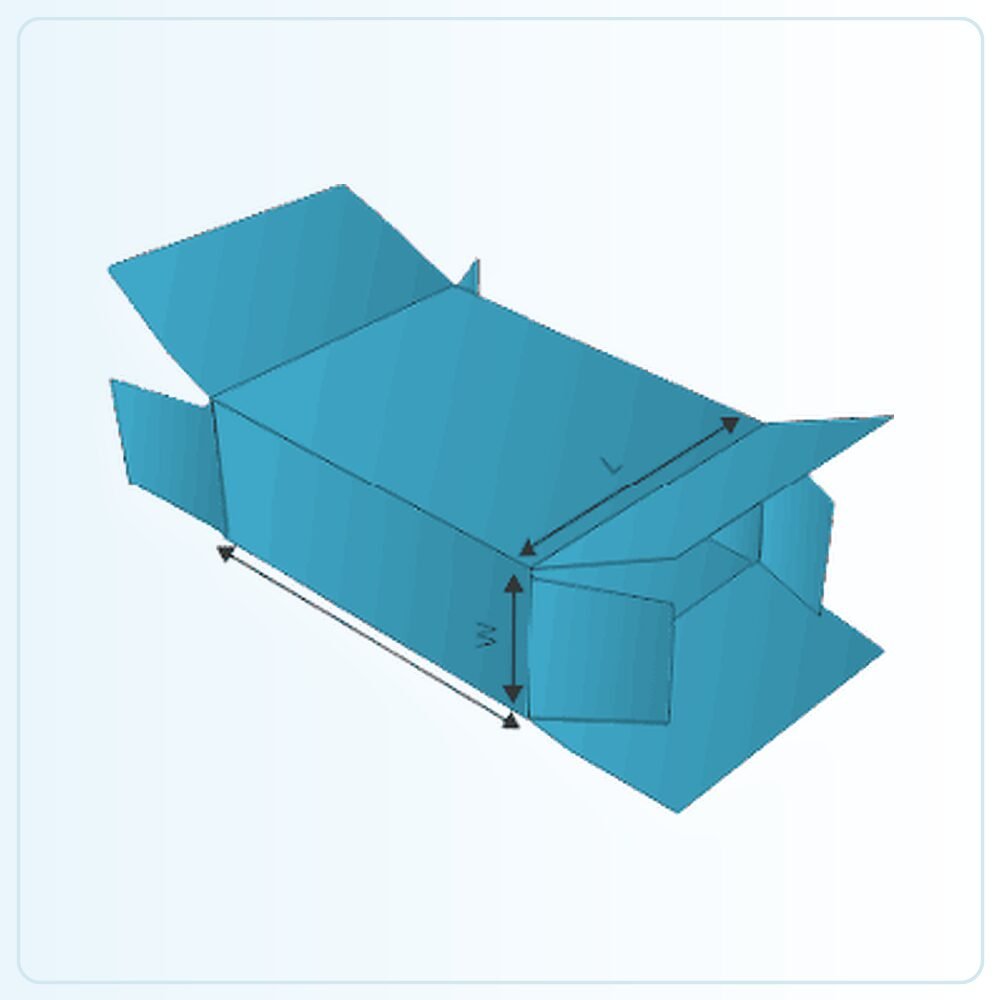
Self-lock refers to the specified folding and engagement features used to form the box. Confirm the assembly sequence and which parts are secured by the structure itself. It should not be treated as a blanket promise that no additional closure or outer support could ever be needed.
Try the sample at your normal packing area before using it with a finished cake. Check that the base and sides are properly formed and that the intended locks are seated. The box should be ready to receive the product without needing awkward adjustments around delicate decoration once the cake is inside.
Choose a loading method that respects the product
Decide whether the cake is lowered from above, introduced through an opening side or loaded by another agreed method. The available access can matter as much as the final internal dimensions. A tall decorated cake may be difficult to place through a narrow opening even if it technically fits the closed box.
Trial the movement with the correct board and a representative product or suitable handling mock-up. Check where hands need room and whether the box walls approach any fragile details. If the packing method feels risky, discuss the structure rather than relying on staff to bend panels out of the way every time.
Support the cake through carrying and collection
Provide the total filled weight, including the board and any accessories. The box and board should be considered together as a handling arrangement. A self-locking base alone does not establish a safe capacity for every cake size or weight.
Explain how the customer collects or receives the cake. A short handover, a vehicle journey and a carrier delivery are different situations. Check the full pack in the intended orientation and discuss any additional support or outer packaging. The presentation box should not be expected to solve every transport or temperature requirement by itself.
Confirm material suitability for the bakery use
State whether the cake, icing or other food touches the packaging directly, and include any grease or moisture exposure relevant to the job. The selected board and any liner or inner component need confirming for the intended contact and storage conditions.
Do not assume that the carton can be refrigerated, frozen, reheated or used as temperature control without an appropriate specification. If your packing routine includes particular conditions, describe them before approval. The correct material discussion starts with your bakery process, not with a general claim that all cake boxes behave the same way.
Keep branding clear around the working panels
Use the most visible face for the bakery name and product presentation. Consider how the box looks during collection, when carried and when opened. Essential wording should remain clear of locking tabs, overlaps and areas likely to be covered by a closure label.
If you need space for product information, an order label or a personalised message, include it early in the artwork plan. For several cake sizes, keep the packaging references easy for staff to distinguish. A consistent branded range is useful, but the correct box should be identifiable quickly when a finished cake is waiting at the packing bench.
Consider how the customer will place the cake on a serving surface. Check whether the board can slide out without lifting the cake against the walls. Include decorations, ribbons and any separate accessories when planning that removal sequence.
Turn the template into your own specification
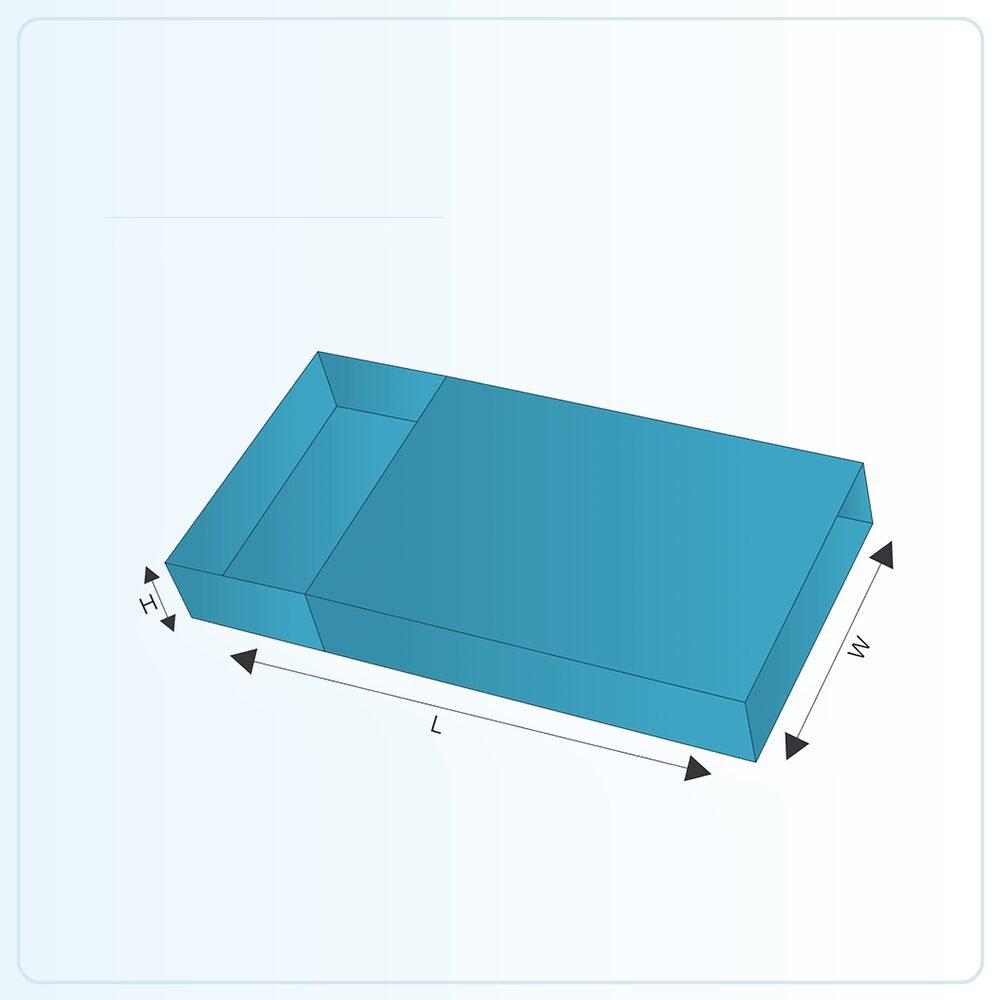
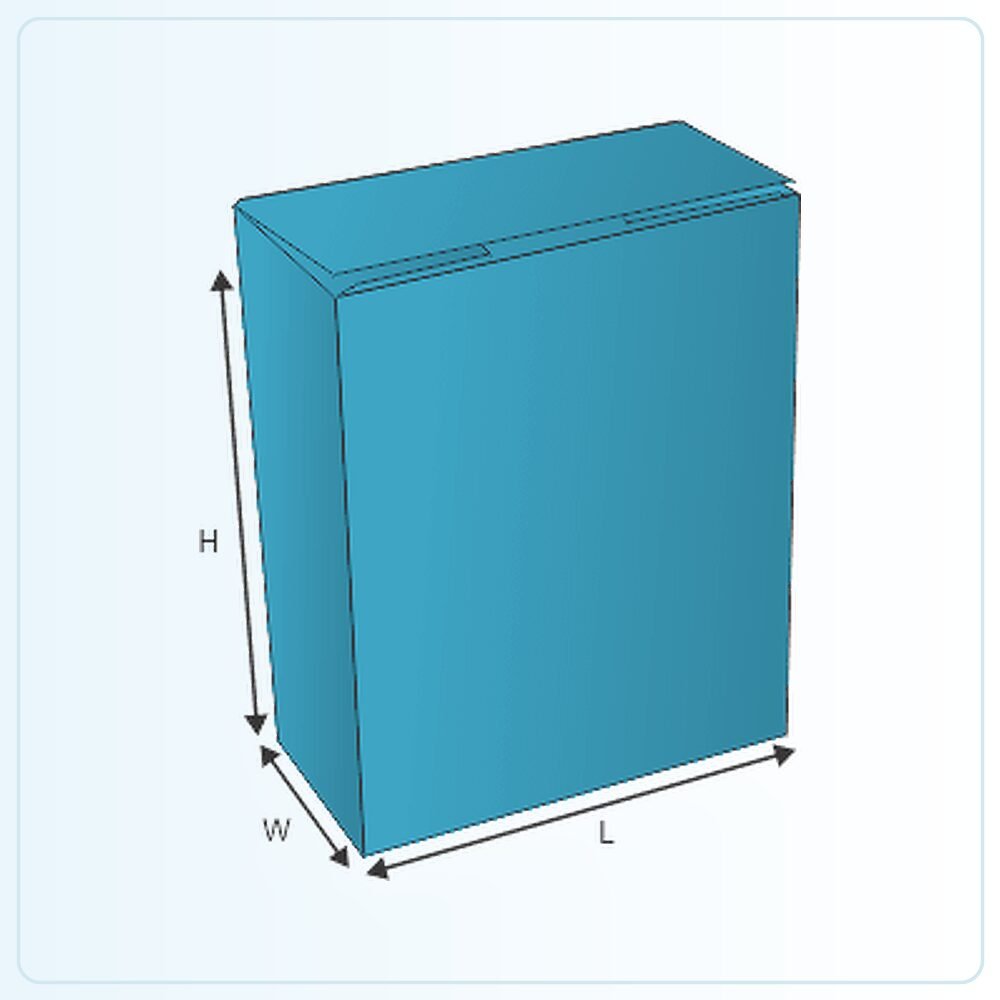
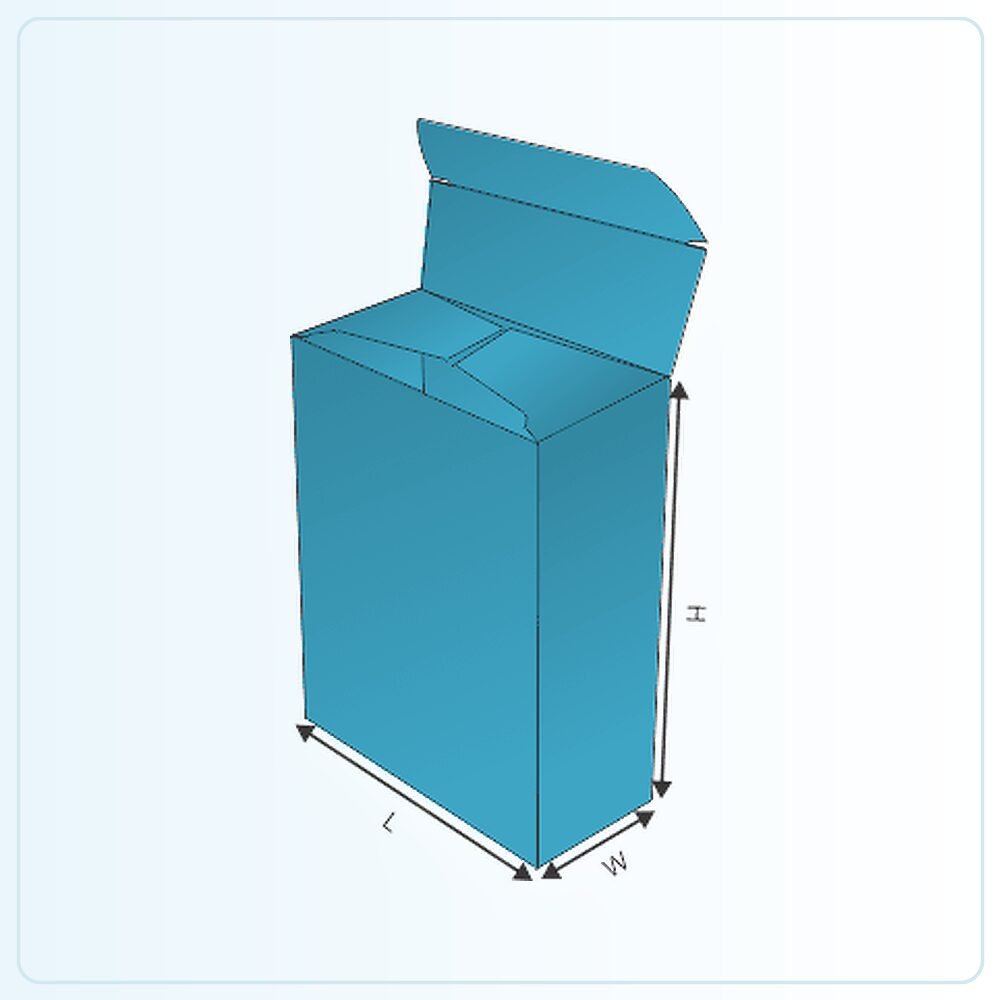
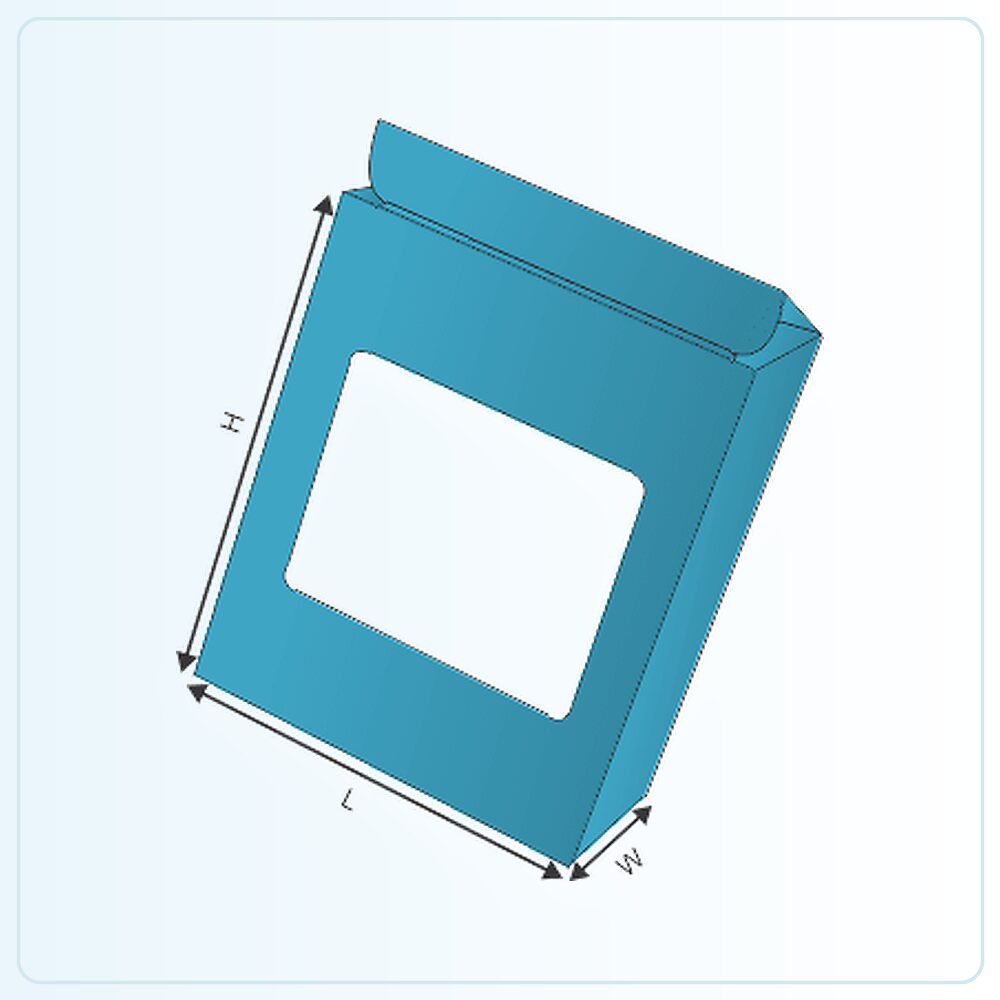
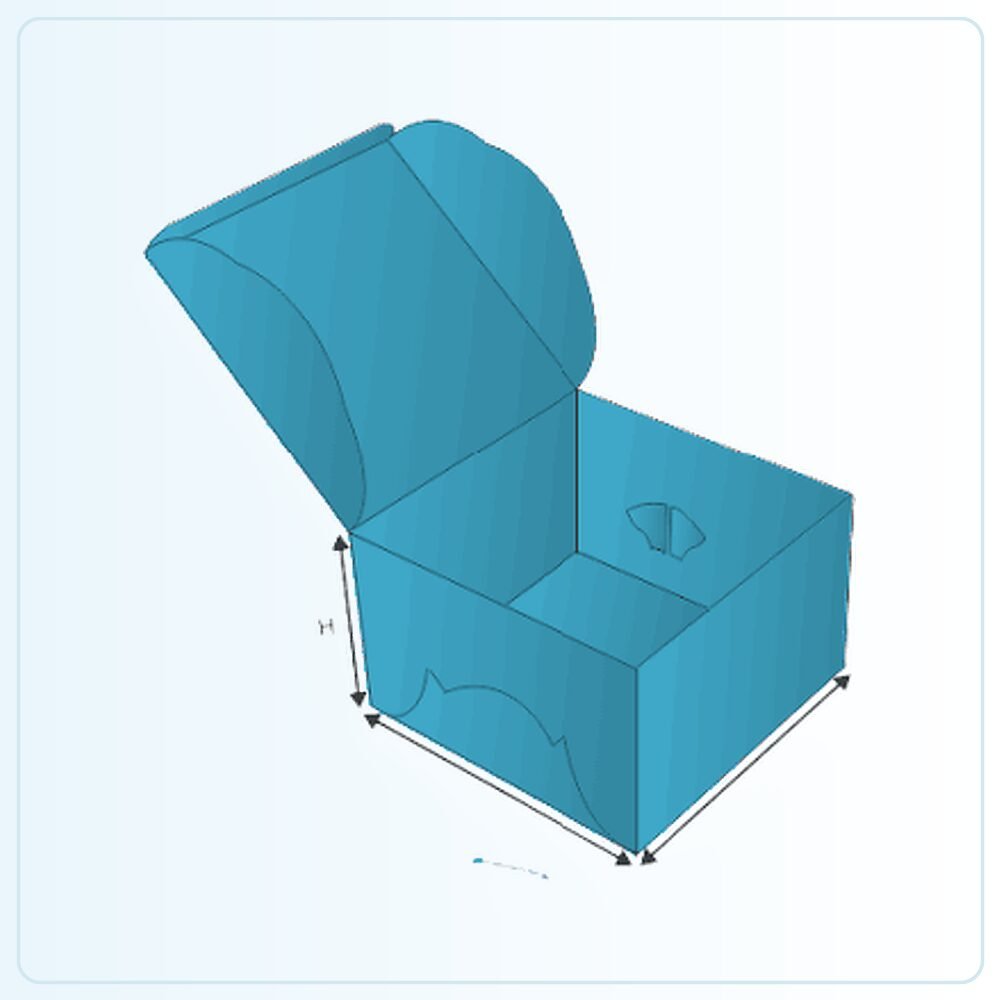
The illustration is a starting point for a made-to-order pack. It is not a production drawing that should simply be enlarged until your product appears to fit. Share the finished product measurements, packed weight and any inner components so the structure can be assessed at the size you actually need. Mark whether your measurements describe the product, the space inside the box or the outside of an existing pack.
Check the sample, not just the screen
A physical sample is available for £25 delivered. Agree what that sample will represent: the construction, material, printed appearance or a particular combination. A plain structural sample answers different questions from a finished printed example. Fill it with the actual product and include every insert, leaflet, wrapper or accessory that belongs in the final pack.
Ask the person who normally packs your orders to try it. Check the sequence of assembly, how comfortably the item goes in and how the customer removes it. Write down the changes you need before approving the next stage. If the pack will travel through a delivery network, assess the complete parcel rather than judging protection from an empty retail carton.
Get a clear price for the complete job
Orders start from 100 units. Our quoted prices include VAT and doorstep delivery. Usual production and delivery is 6–9 days; confirm the actual schedule for your agreed specification and target date. Tell us your delivery postcode, artwork status and any deadline when requesting a quote.
The useful comparison is the same structure, size, board, printing, finish and quantity. Ask for alternatives if you need to work towards a budget, and have any setup or additional components identified in the written quotation. Send your brief and we can help you settle the practical details before committing to the run.
Compare handled food packaging, four corner constructions, or request a packaging quote for this style.