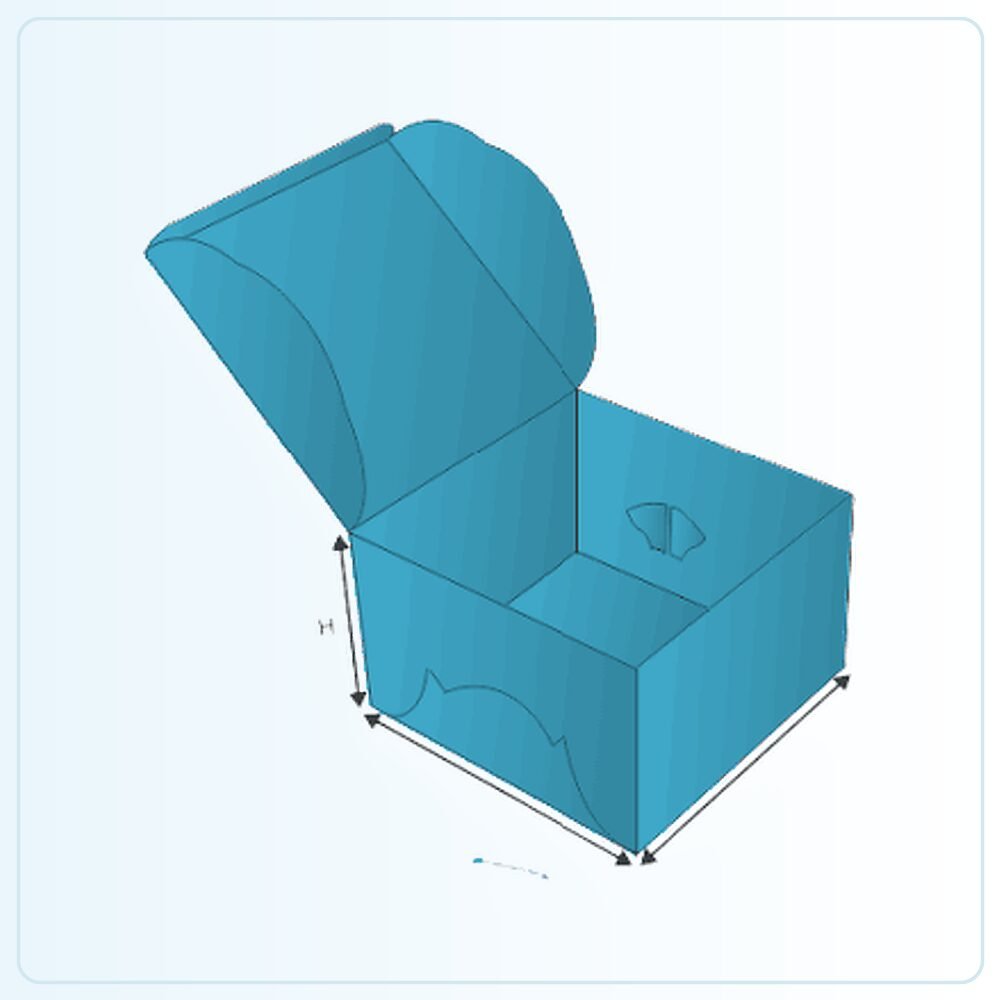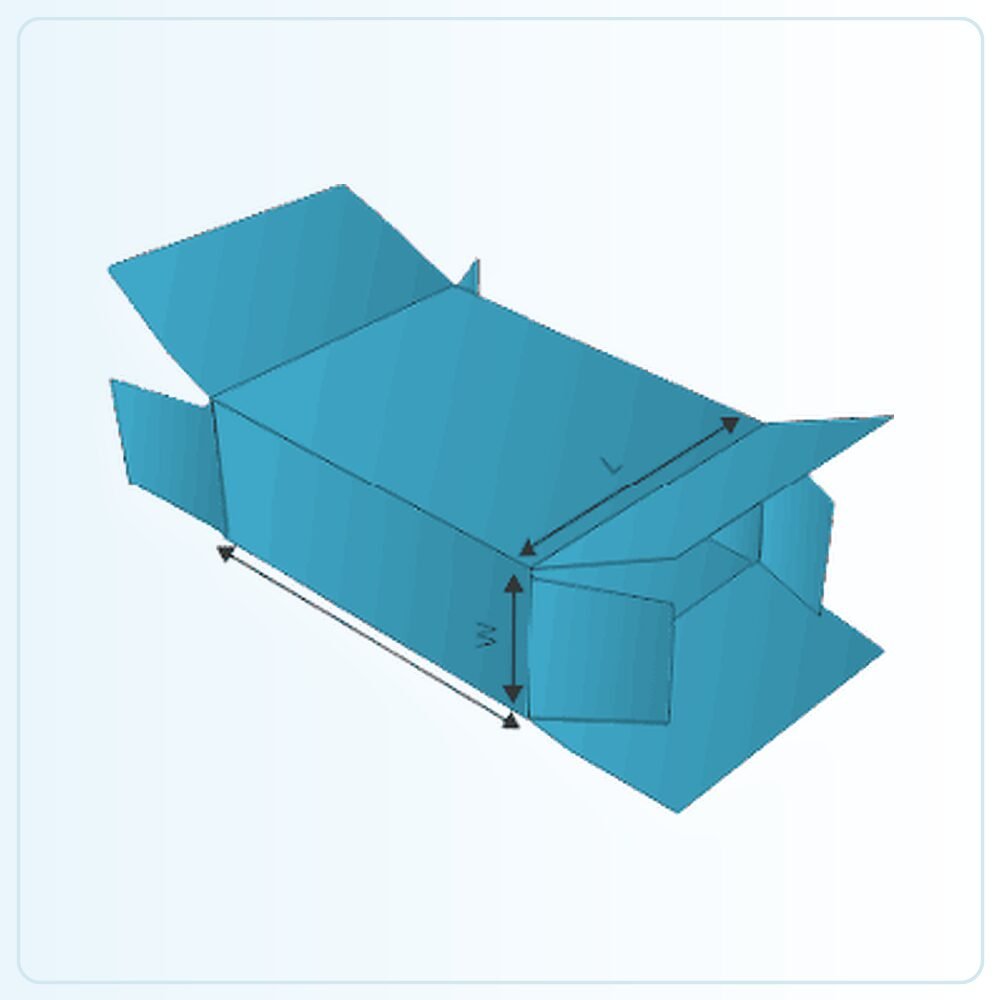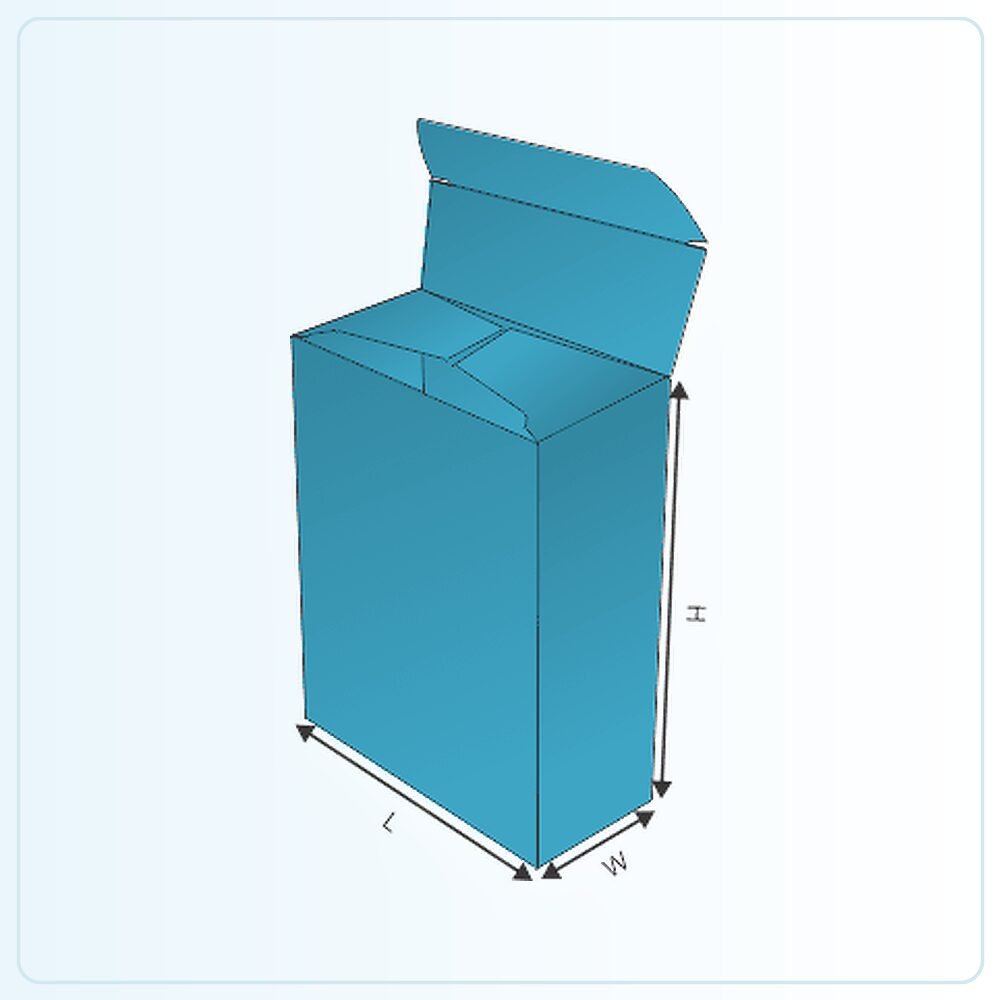
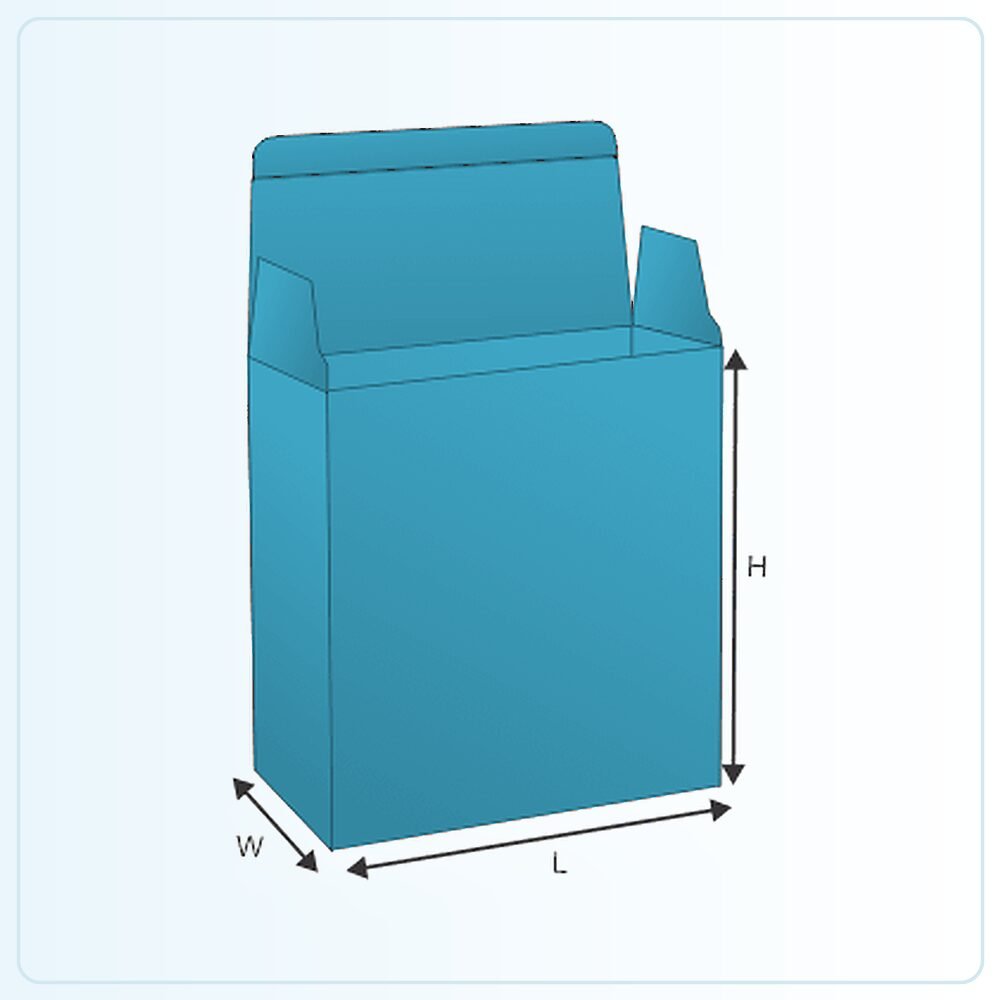
A hand-locking base with an accessible top
The 1-2-3 bottom uses shaped flaps assembled in a sequence to form the base. A separate tuck top closes the upper opening. It is a different construction from an auto bottom, whose connected base is prepared to form as the carton is opened out. Understanding that distinction helps you choose for the way your team actually packs.
This style can be discussed for retail accessories, gift products and other items that suit a rectangular carton. The contents, size and board determine whether it is appropriate. There is no useful universal weight limit attached to the words 1-2-3 bottom, so give us the packed weight and the way the product bears on the base.
Try the assembly before committing to a batch
The point of a sample is to show the sequence clearly. Follow the agreed folding instructions, make sure each flap is seated and check the finished base before adding the product. A partly engaged flap can look acceptable from above while leaving the lower structure unfinished.
Ask more than one person at the packing bench to try it. Notice whether the base is easy to recognise, whether the flaps catch and whether the carton stays square while it is filled. If assembly time is a major concern, compare an auto-bottom version using the same product and a similar board specification rather than guessing the difference from an empty flat blank.
Match the base to the way the load is carried
A broad, evenly supported item loads a carton differently from a narrow object with a concentrated contact point. Describe the product shape and any insert that sits between it and the bottom. The base, side walls and inner support should work together instead of asking one small flap area to do everything.
Consider how staff and customers pick up the pack. A carton lifted by its sides, carried inside a shopping bag or placed in an outer shipping box may see different handling. Test the filled sample in the intended situation. If an additional seal or support is proposed, record it as part of the specification so the finished order matches the tested arrangement.
Leave the tuck top room to close neatly
Allow for the product's highest point, including caps, loops, folded instructions and decorative features. The top flap should seat without pressing an item down or catching against a projecting part. A tidy closure is much easier to achieve when the usable internal height has been planned around all the contents.
Think about removal too. A close fit can look smart, but the customer still needs a comfortable way to take the item out. If you use a fitted insert, check that fingers can reach the product and that opening the carton does not pull the insert apart. These details are easier to correct at sample stage than after the whole run arrives.
Give the print layout a clear orientation
Identify the front panel and intended top before finalising the design. Put the main brand and product information where the pack will normally be viewed. Use the reverse for supporting details, while keeping essential wording away from the base assembly areas where it could be hidden after folding.
If the carton belongs to a wider range, decide how variants will be distinguished in storage as well as on display. An end-panel identifier can help when broad faces are not visible. Check any barcode or label area at the finished size, and leave room for variable information if it will be added during packing.
Choose the construction for your workflow
A manual locking base can make sense for a manageable hand-packing routine, but it is not automatically the cheapest complete solution. Compare the carton specification, assembly effort and any added components. If filling speed or a demanding load is the main issue, ask about another base rather than making assumptions from the style name.
The tuck top provides access; it does not by itself prove tamper evidence or transit security. For products requiring those features, explain the requirement and review the appropriate sealing and outer packaging. A well-specified carton should make the packing process clearer, not leave the final closure and protection decisions until dispatch day.
Turn the template into your own specification
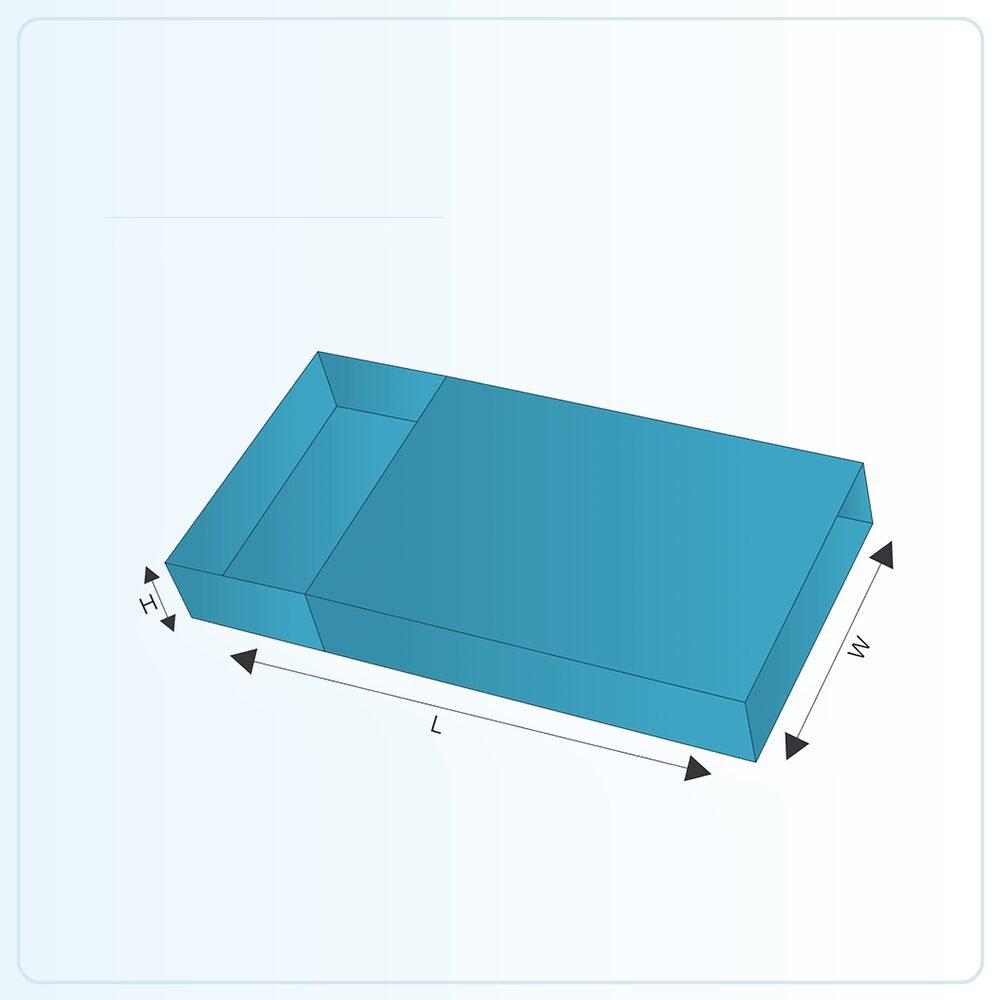
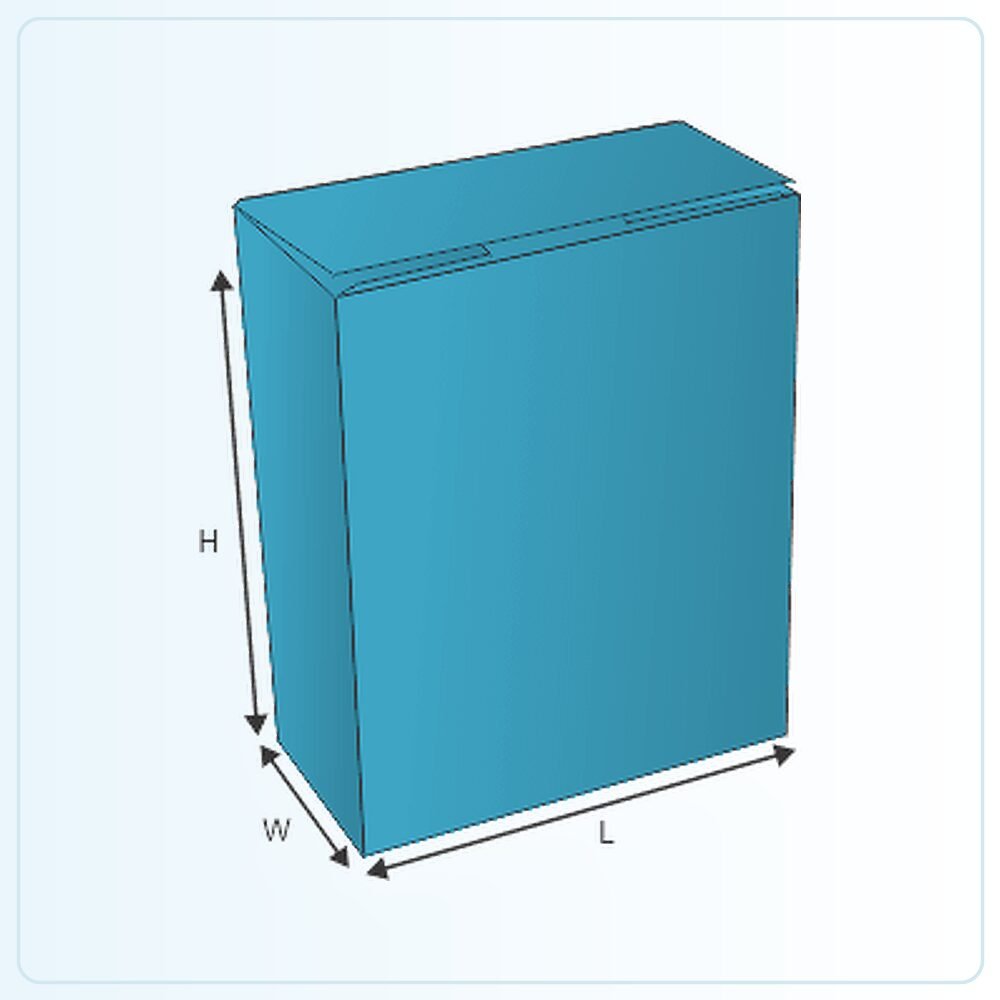
The illustration is a starting point for a made-to-order pack. It is not a production drawing that should simply be enlarged until your product appears to fit. Share the finished product measurements, packed weight and any inner components so the structure can be assessed at the size you actually need. Mark whether your measurements describe the product, the space inside the box or the outside of an existing pack.
Check the sample, not just the screen
A physical sample is available for £25 delivered. Agree what that sample will represent: the construction, material, printed appearance or a particular combination. A plain structural sample answers different questions from a finished printed example. Fill it with the actual product and include every insert, leaflet, wrapper or accessory that belongs in the final pack.
Ask the person who normally packs your orders to try it. Check the sequence of assembly, how comfortably the item goes in and how the customer removes it. Write down the changes you need before approving the next stage. If the pack will travel through a delivery network, assess the complete parcel rather than judging protection from an empty retail carton.
Get a clear price for the complete job
Orders start from 100 units. Our quoted prices include VAT and doorstep delivery. Usual production and delivery is 6–9 days; confirm the actual schedule for your agreed specification and target date. Tell us your delivery postcode, artwork status and any deadline when requesting a quote.
The useful comparison is the same structure, size, board, printing, finish and quantity. Ask for alternatives if you need to work towards a budget, and have any setup or additional components identified in the written quotation. Send your brief and we can help you settle the practical details before committing to the run.
Compare lock cap 1-2-3 bottom boxes, full flap auto bottom boxes, or request a packaging quote for this style.