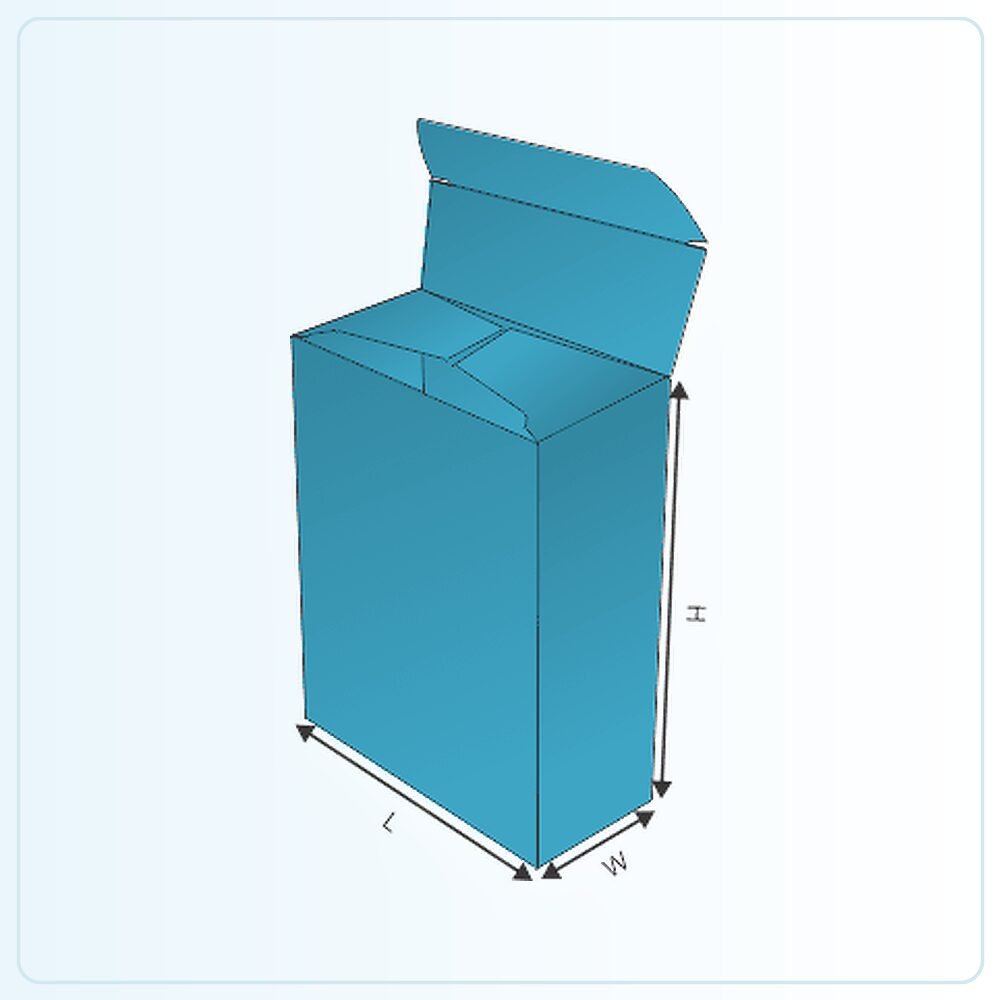
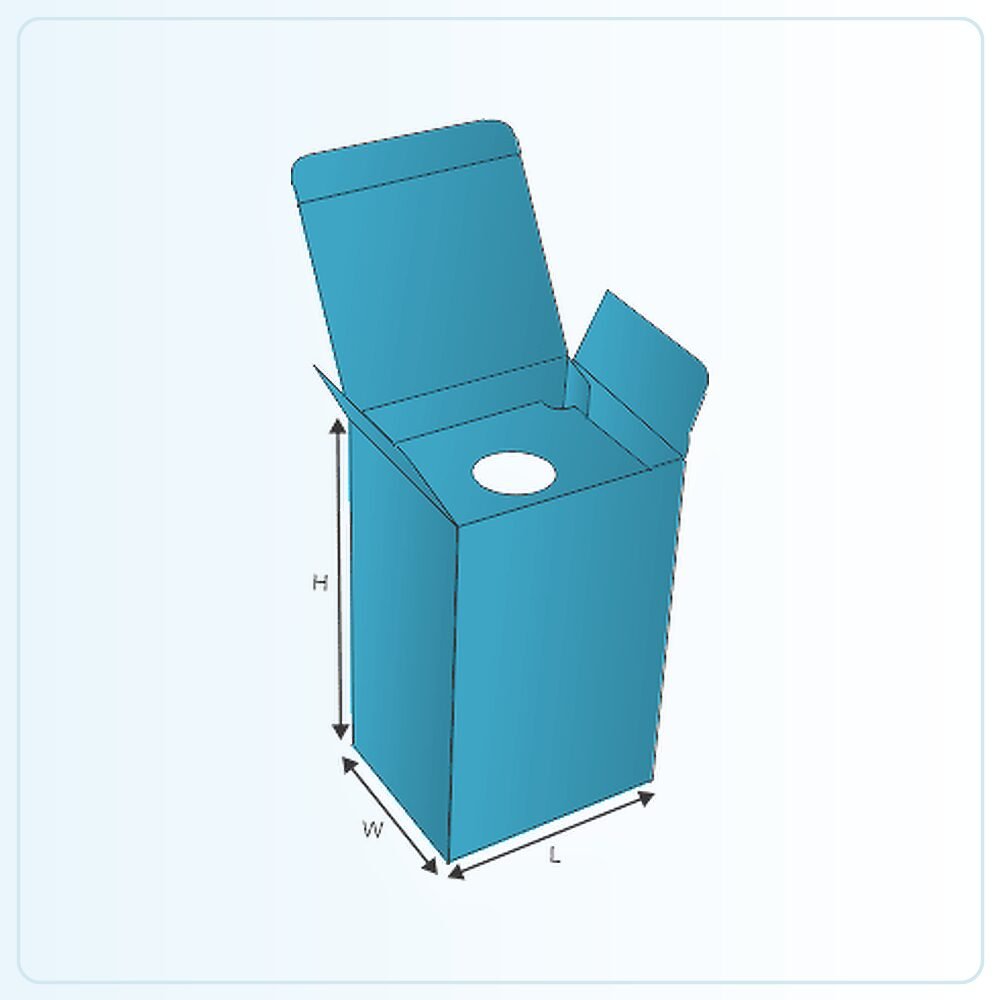
Start with the complete bulb shape
Two lighting products can have similar overall dimensions but very different support needs. The globe, neck, base and any projecting features all matter. Provide a sample or dimensioned outline, the product weight and the orientation you want inside the carton rather than choosing a box from length and diameter alone.
The die-cut construction allows the agreed panels and internal features to be shaped for the brief. The term describes how the packaging is formed; it does not automatically establish impact protection or a particular load rating. The outer carton and any locating support need to be assessed with the actual lighting product.
Identify where the product can be supported
Explain which surfaces can safely contact a support and which need clearance. A fragile globe, coated surface or projecting electrical base should not be treated as interchangeable contact areas. The internal arrangement should locate the item without applying unwanted pressure to a delicate part.
If an insert uses an opening around the base or another section, measure that section accurately and consider the insertion path. A feature that holds the product once inside may still be awkward to pass over a wider shoulder. Trial assembly with the real item and check for catching, excessive force or contact marks.
Separate product location from cushioning
Holding a bulb in one position can reduce unwanted movement, but location alone is not proof of transit protection. Review the space around fragile areas, the behaviour of the support and the outer packaging used for delivery. The complete arrangement needs to suit the route and handling you expect.
If several units share a parcel, consider contact between retail cartons as well as protection within each one. Explain the order quantity per parcel and any outer separators or supports. Keep the tested arrangement consistent during dispatch; removing a component because the pack looks full can change the protection available to the contents.
Make filling and removal manageable
Decide the intended packing sequence: form the carton, prepare the support, insert the bulb and close the pack. The sample should demonstrate that sequence clearly enough for the team to repeat without improvising around a delicate product. Check whether the support stays in position while the bulb is loaded.
The customer should also be able to remove the item without pulling against a fragile feature. Consider where fingers grip the product and whether a support needs to release first. A very tight-looking fit may be less useful than an arrangement that locates the bulb appropriately and allows controlled, comfortable removal.
Keep retail information clear and correctly matched
The packaging should help the shopper identify the correct lighting product. Give the main panel a clear brand and product identifier, then plan the space for the technical and other information your business needs to provide. The packaging team should work from approved wording rather than inventing product specifications.
For several lamp variants, keep artwork versions and product references clearly linked. A similar carton shape can make it easy to confuse two products if only a small code changes. Use a readable identification system and check the actual size of text and symbols on the folded sample before approving the design.
Compare the complete pack when reviewing cost
The carton, insert, board, print and assembly all contribute to the job. Ask for each necessary component to be included in the quotation so a simple outer-box price is not mistaken for the finished protective arrangement. If a less complex support is proposed, assess it with the product rather than judging only the material saving.
Keep the approved product version and packaging specification together for reorders. Changes to a globe shape, base dimension or weight can affect the fit even when the retail name remains similar. Review the sample again when the product changes so the printed carton and internal arrangement continue to match what is being supplied.
Where several bulbs share a retail range, identify each approved insert clearly. A similar-looking support can have different contact points, so keep the packing reference with the correct product code.
Turn the template into your own specification
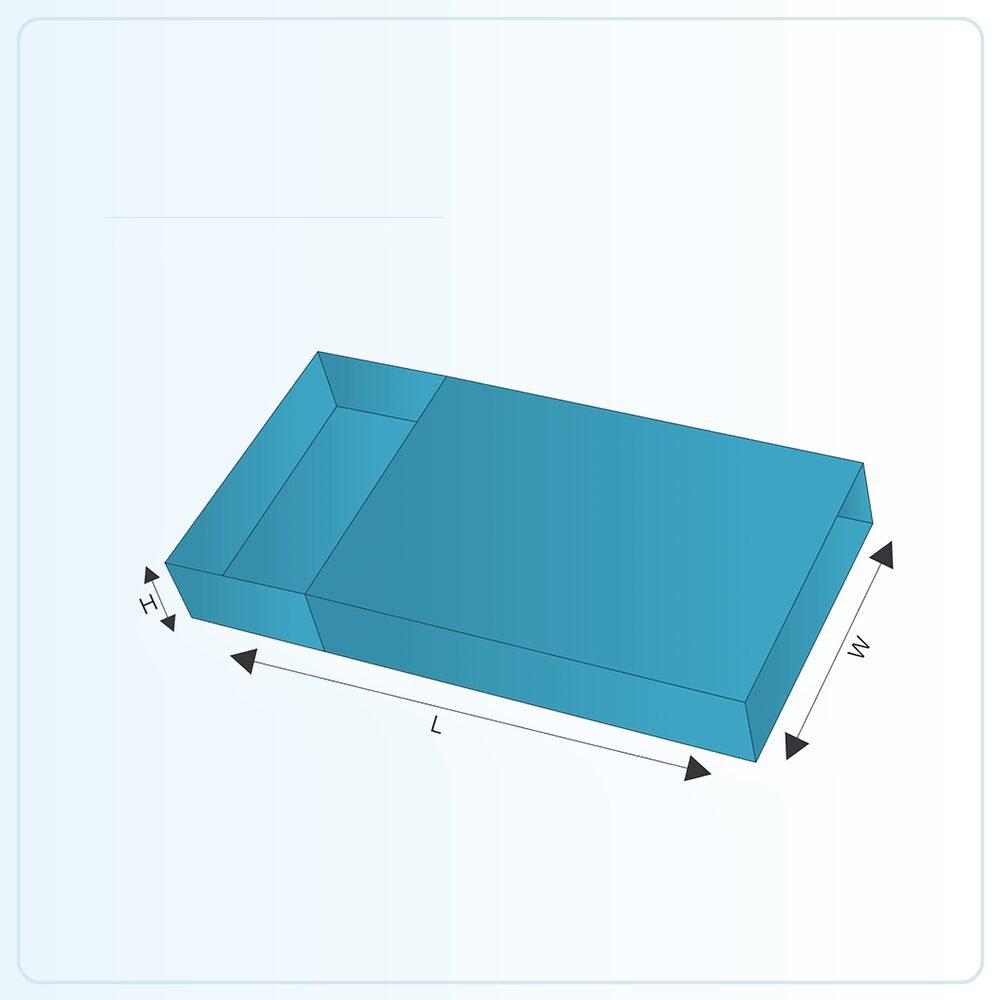
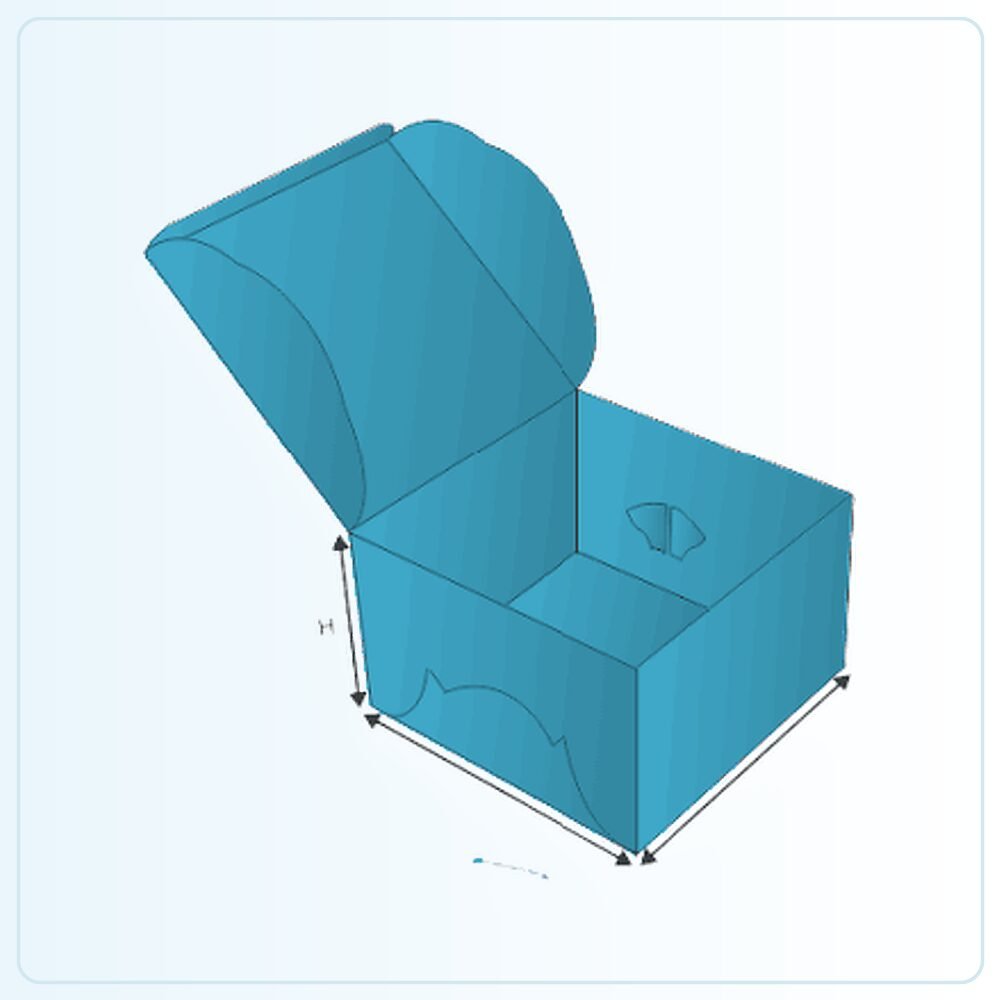
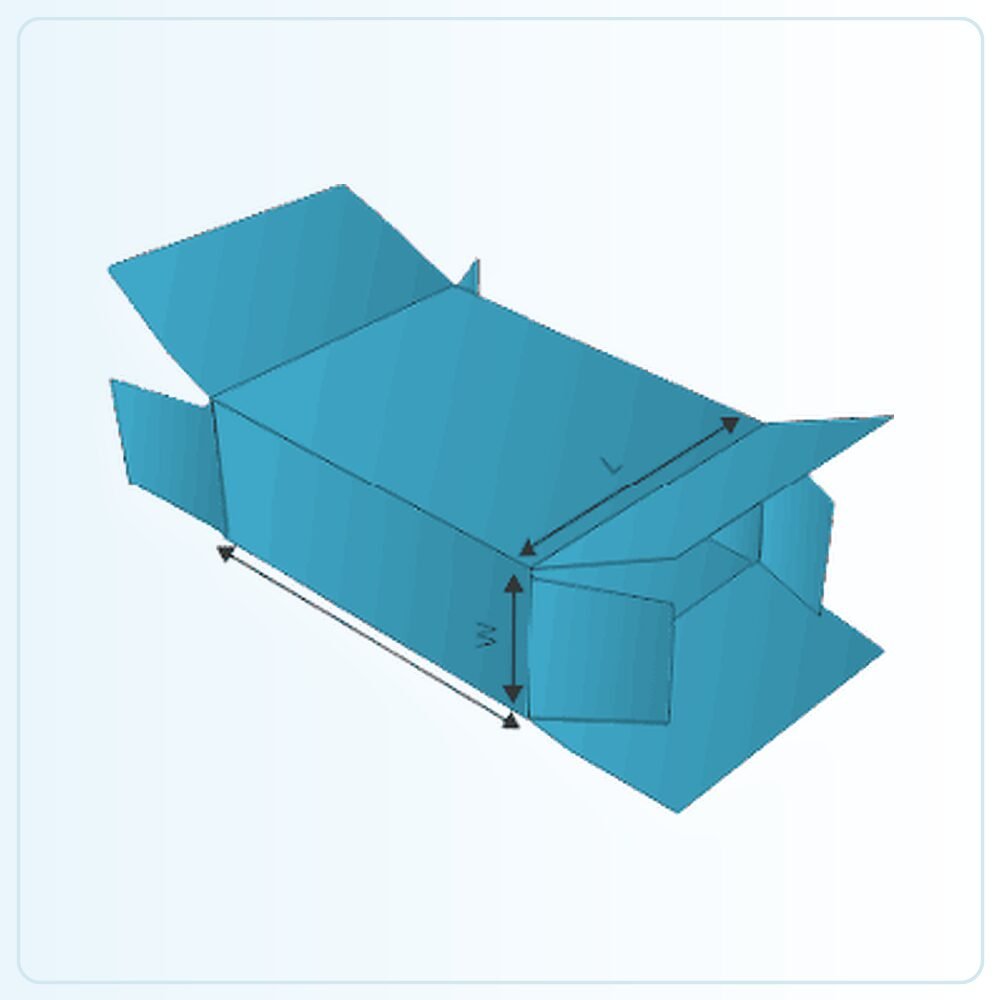
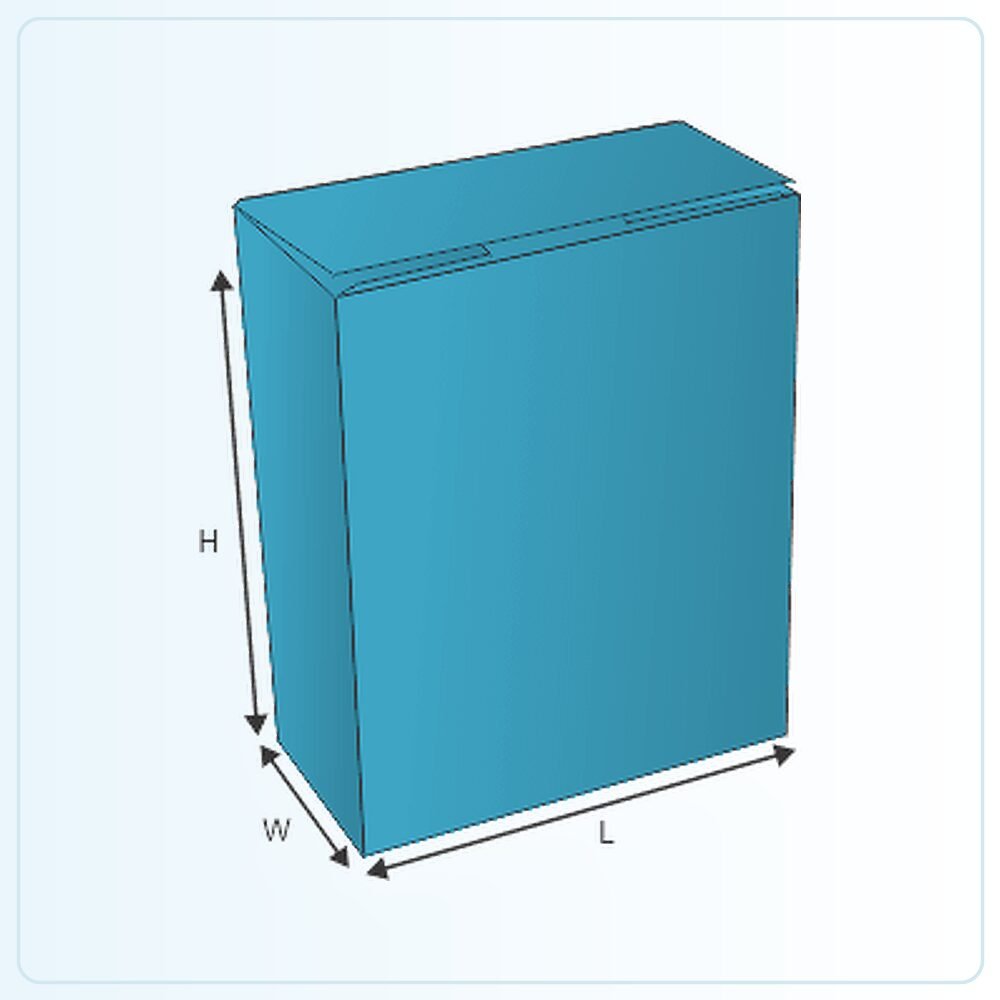
The illustration is a starting point for a made-to-order pack. It is not a production drawing that should simply be enlarged until your product appears to fit. Share the finished product measurements, packed weight and any inner components so the structure can be assessed at the size you actually need. Mark whether your measurements describe the product, the space inside the box or the outside of an existing pack.
Check the sample, not just the screen
A physical sample is available for £25 delivered. Agree what that sample will represent: the construction, material, printed appearance or a particular combination. A plain structural sample answers different questions from a finished printed example. Fill it with the actual product and include every insert, leaflet, wrapper or accessory that belongs in the final pack.
Ask the person who normally packs your orders to try it. Check the sequence of assembly, how comfortably the item goes in and how the customer removes it. Write down the changes you need before approving the next stage. If the pack will travel through a delivery network, assess the complete parcel rather than judging protection from an empty retail carton.
Get a clear price for the complete job
Orders start from 100 units. Our quoted prices include VAT and doorstep delivery. Usual production and delivery is 6–9 days; confirm the actual schedule for your agreed specification and target date. Tell us your delivery postcode, artwork status and any deadline when requesting a quote.
The useful comparison is the same structure, size, board, printing, finish and quantity. Ask for alternatives if you need to work towards a budget, and have any setup or additional components identified in the written quotation. Send your brief and we can help you settle the practical details before committing to the run.
Compare partitioned product packaging, outer shipping cartons, or request a packaging quote for this style.