Choose a sealed closure for a specific reason
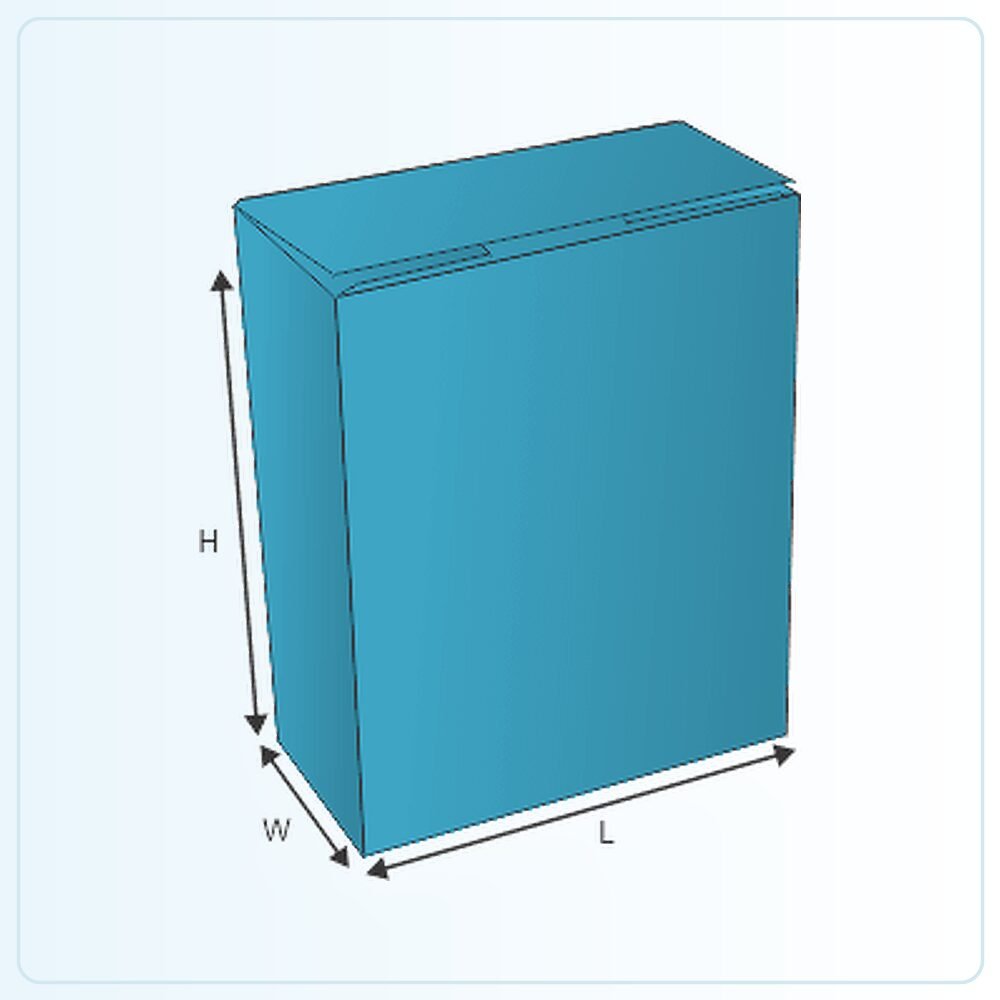
Seal end packaging boxes use end flaps intended to be secured by the agreed sealing method, commonly an adhesive closure. They are worth considering when a product should remain enclosed until the intended opening. The structure needs to suit the product and the filling process, rather than being chosen simply because sealed sounds stronger.
Explain whether you pack by hand, work with a contract packer or use equipment. State which end is closed before filling and how the remaining end will be finished afterwards. This establishes what the supplier needs to deliver and what happens at your premises. A side seam prepared during manufacture is not the same operation as sealing the filled carton.
Agree the opening experience as well as the closure
A securely closed pack still needs a sensible way for the customer to access the contents. Discuss whether the carton is opened once, whether it needs to close again and which surfaces should remain presentable afterwards. The answer may influence the end design or suggest a different style altogether.
Do not assume that an adhesive closure establishes tamper evidence, airtightness or leak resistance. Those are specific performance requirements. If one matters to your product, describe the expected result and ask how it will be demonstrated. A general retail seal should not be presented as a substitute for a validated protective inner pack.
Match the carton to the filling operation
The product must pass through the opening comfortably without damaging the flaps or catching an insert. Check the full contents, including instruction sheets, sachets and accessories. If several components go in separately, list their order of insertion so the sample can be tried in the same sequence.
For equipment-filled cartons, provide the packer's requirements before the drawing is approved. Board behaviour, flap arrangement and sealing areas can affect the process. A hand-filled demonstration is useful but does not prove compatibility with a particular machine. Involve the person responsible for packing early, especially if a previous carton has caused stoppages or inconsistent closures.
Keep sealing areas part of the artwork conversation
Printed graphics and finishing need to respect the areas used to close the carton. Ask for those zones to be identified on the approved drawing and have the intended sealing process reviewed alongside the surface treatment. A decorative finish should not be added across a functional area without checking the consequences.
Put the brand and product name on a stable viewing panel, with secondary information arranged where it remains readable after closing. If the opening will disturb a panel, avoid making that the only location for information the customer needs later. Review the assembled pack rather than treating the flat artwork as the complete customer experience.
Specify protection for the actual contents
A seal end carton can be the presentation layer around a product that already has its own protective container. If the contents are sensitive to moisture, grease, light or handling, identify the required inner protection instead of expecting printed paperboard alone to provide every barrier.
For fragile items, consider movement inside the carton and the outer parcel separately. A closed end keeps the opening covered, but it does not cushion an unsupported component. Tell us how the finished pack is stored, carried and dispatched. That information helps distinguish a fit problem from a closure problem before either is addressed through the artwork.
Compare the cost of the complete packing method
The carton price is only one part of the decision. Consider the closing operation, any adhesive or sealing equipment, packing time and the components needed inside. If a tuck carton provides the access and presentation you need with fewer operations, it deserves a fair comparison.
For a repeat order, keep a record of the approved construction, board, print and sealing arrangement. Report changes to the product or the packing line before reusing the old specification. A packaging order should describe the result your team needs to achieve, so the next batch fits the process as well as it fits the product.
Turn the template into your own specification
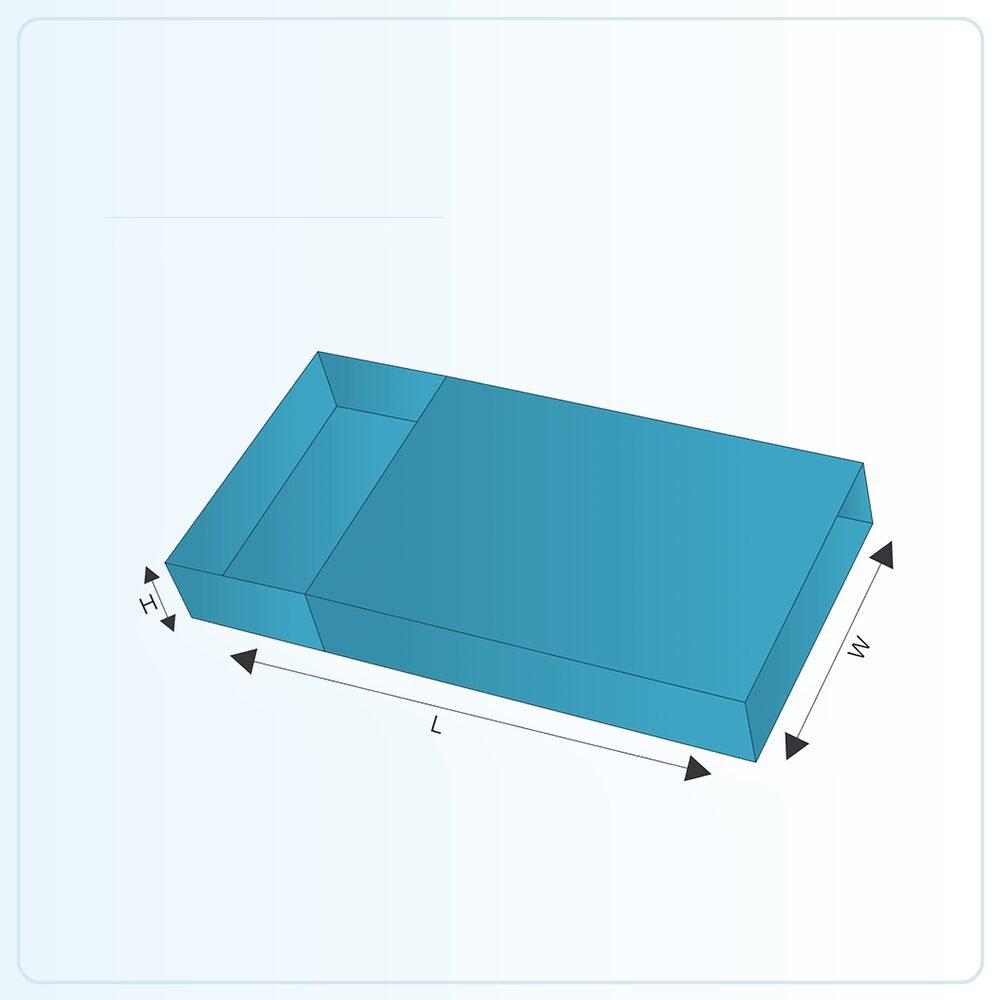
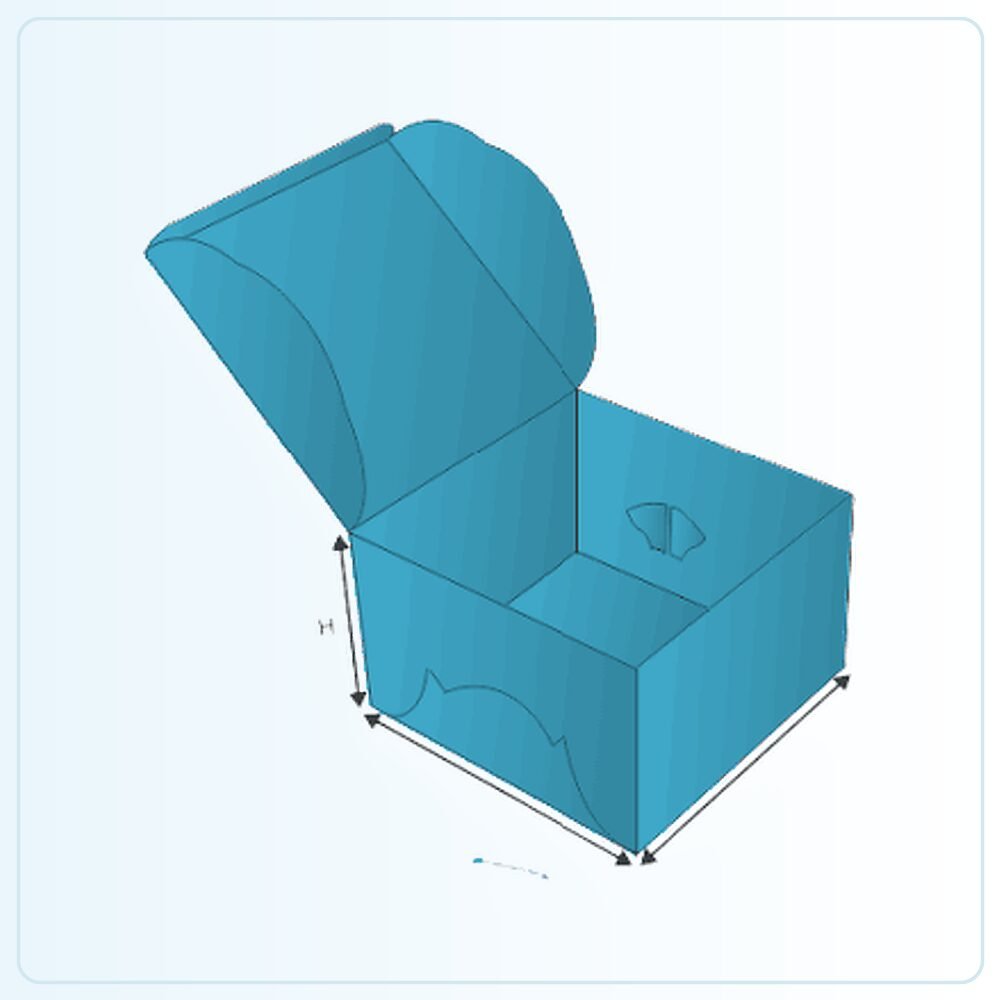
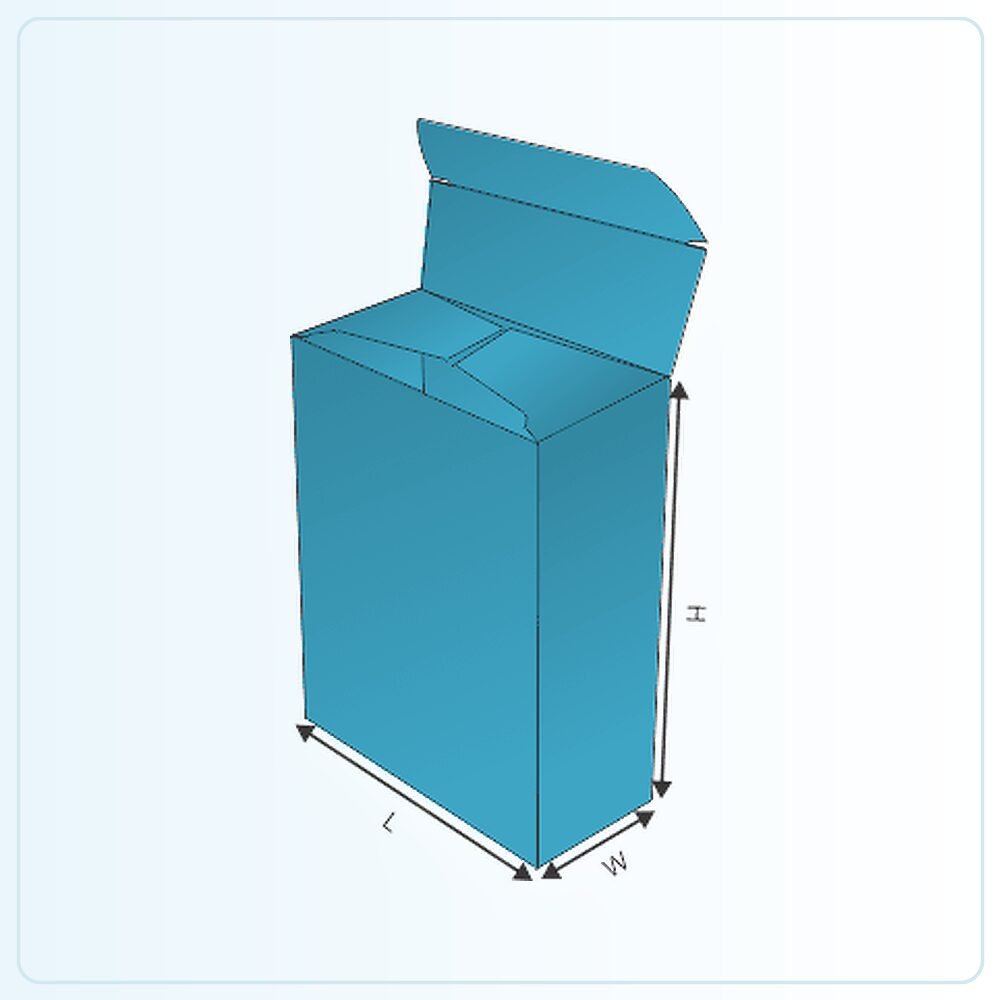
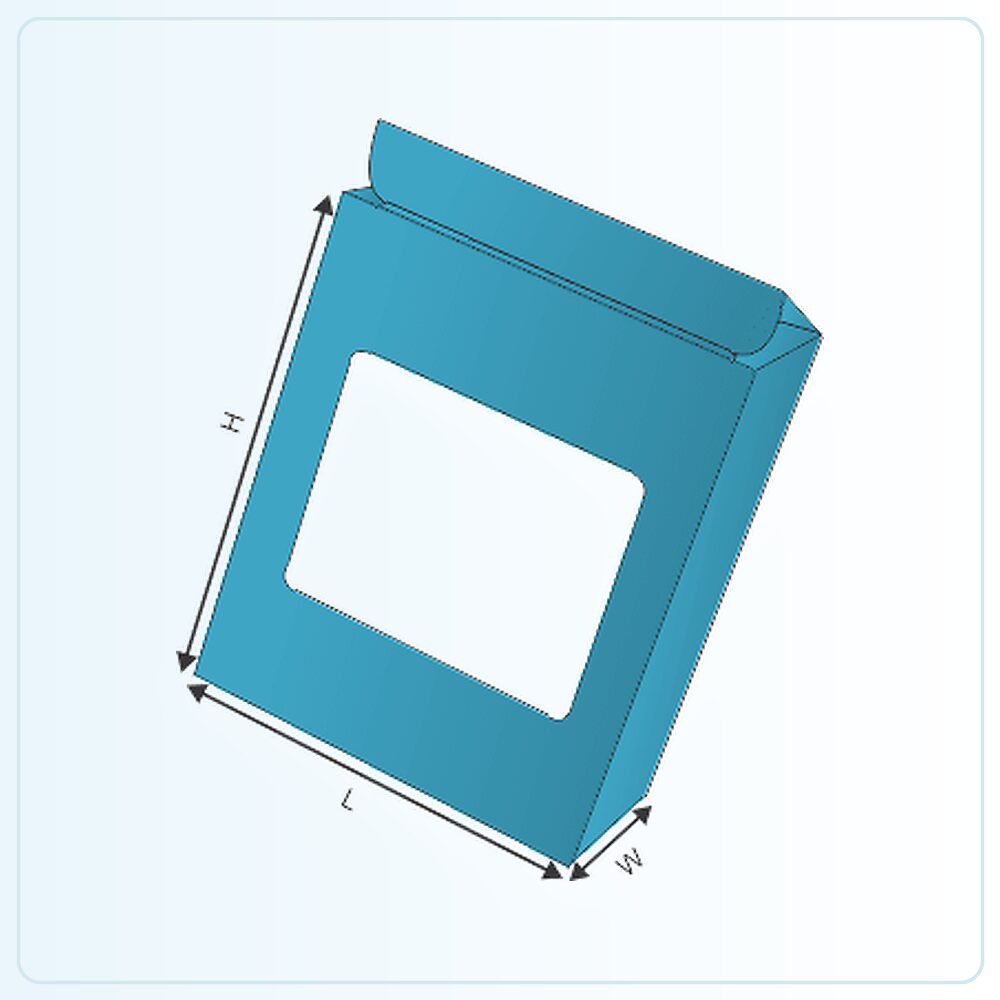
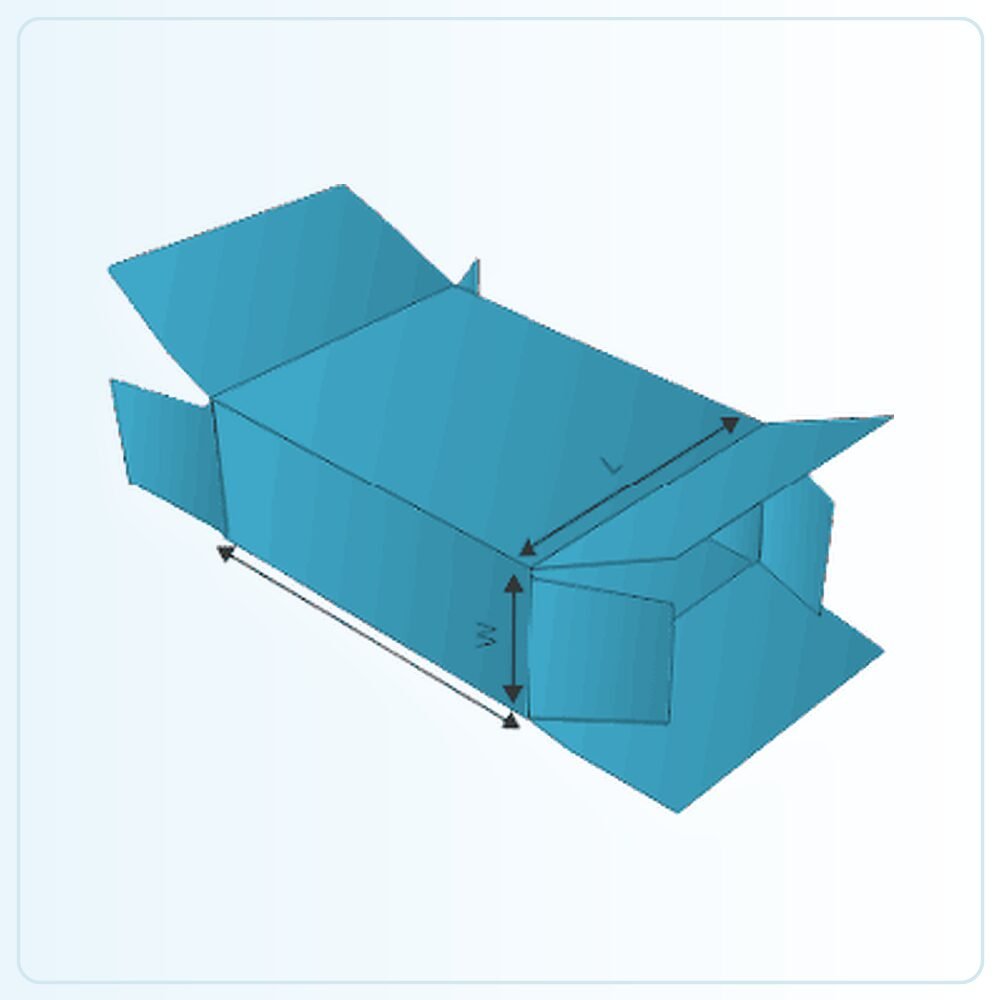
The illustration is a starting point for a made-to-order pack. It is not a production drawing that should simply be enlarged until your product appears to fit. Share the finished product measurements, packed weight and any inner components so the structure can be assessed at the size you actually need. Mark whether your measurements describe the product, the space inside the box or the outside of an existing pack.
Check the sample, not just the screen
A physical sample is available for £25 delivered. Agree what that sample will represent: the construction, material, printed appearance or a particular combination. A plain structural sample answers different questions from a finished printed example. Fill it with the actual product and include every insert, leaflet, wrapper or accessory that belongs in the final pack.
Ask the person who normally packs your orders to try it. Check the sequence of assembly, how comfortably the item goes in and how the customer removes it. Write down the changes you need before approving the next stage. If the pack will travel through a delivery network, assess the complete parcel rather than judging protection from an empty retail carton.
Get a clear price for the complete job
Orders start from 100 units. Our quoted prices include VAT and doorstep delivery. Usual production and delivery is 6–9 days; confirm the actual schedule for your agreed specification and target date. Tell us your delivery postcode, artwork status and any deadline when requesting a quote.
The useful comparison is the same structure, size, board, printing, finish and quantity. Ask for alternatives if you need to work towards a budget, and have any setup or additional components identified in the written quotation. Send your brief and we can help you settle the practical details before committing to the run.
Compare seal end auto bottom boxes, reverse tuck end cartons, or request a packaging quote for this style.