Start with what the partition needs to achieve
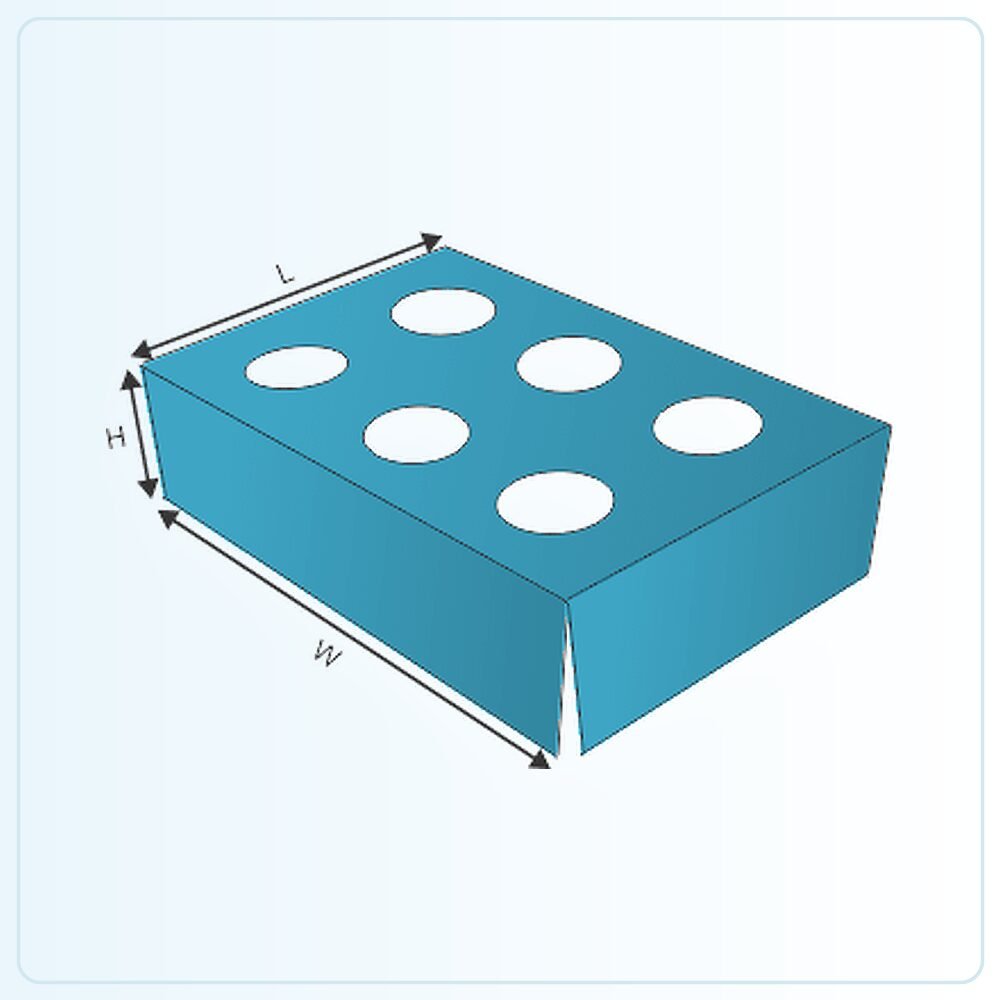
A partition can divide the pack into compartments, locate products through shaped openings or support a particular presentation. Those are related but different jobs. Describe whether your priority is keeping items apart, keeping labels facing forward or arranging a set for opening, then confirm the proposed construction on the drawing.
The outer box and internal arrangement should be designed together. Choosing the box first and fitting a divider into whatever space remains can create awkward compartments or unnecessary empty areas. Give us the complete product list, including any accessories, so the available room is planned around the whole order.
Measure each product in its packed condition
Include wrappers, caps, labels and projecting features. For bottles or jars, note the widest relevant section as well as the base. For an irregular item, a photograph or outline showing the intended orientation can be more informative than three maximum dimensions alone.
If the pack contains several different products, identify their positions and quantities. A repeated grid may suit identical units, but a mixed set can need different compartment sizes. Check whether one product is much heavier than the others and whether it should be supported differently. The partition should reflect those differences rather than impose a visually tidy but impractical layout.
Balance separation with comfortable access
The contents need room to be packed and removed without excessive force. A divider pressed tightly against a label or fragile edge can create a new problem while trying to stop movement. Check the sample with the actual products and assess the points where the material touches them.
Consider removal order. If the customer must take out one item before another can be reached, decide whether that is acceptable. Finger access, a clear grip point and the position of any literature can make the set easier to use. A well-organised pack should feel intuitive when opened, not require the recipient to dismantle the partition to reach the contents.
Assess movement in the complete pack
Separation is not the same as cushioning. A partition may prevent neighbouring products touching while still allowing them to move within their own compartments. For fragile goods, review the support around each item and the protection provided by the outer box.
Trial the filled sample in the orientations it will encounter. A gift set lying flat, a carton carried upright and a parcel handled through a delivery network can behave differently. If another support or wrapper is needed, include it in the tested arrangement and the final specification. Do not judge protection solely from an empty divider that looks substantial.
Make packing and stock selection straightforward
Decide whether the partition arrives assembled, flat or integrated with another component. Trial the setup sequence and check whether it remains in position while products are inserted. A divider that needs holding with one hand throughout filling may slow the process or require a different assembly approach.
For a mixed set, clear packing references can help the team place the right product in each position. If several configurations use the same outer box, keep the insert versions identifiable. That avoids discovering at the end of the packing sequence that a compartment was intended for a different item or accessory.
Use print to explain the range and opening
The outside of the box should identify the product or set clearly, while any internal printing should support the reveal. You may want a simple layout label, a short message or an otherwise quiet background that lets the products stand out. Decide which surfaces remain visible once the pack is filled before paying for extensive internal coverage.
Keep the approved product arrangement alongside the artwork files. A change in compartment position can alter what the customer sees first and which printed areas remain exposed. Review the closed and open pack together, particularly where a window or removable cover is part of the design, so the partition and branding remain coordinated.
Keep the approved compartment measurements with the product references. This makes it easier to identify which insert belongs to each box size when several versions are packed together.
Turn the template into your own specification
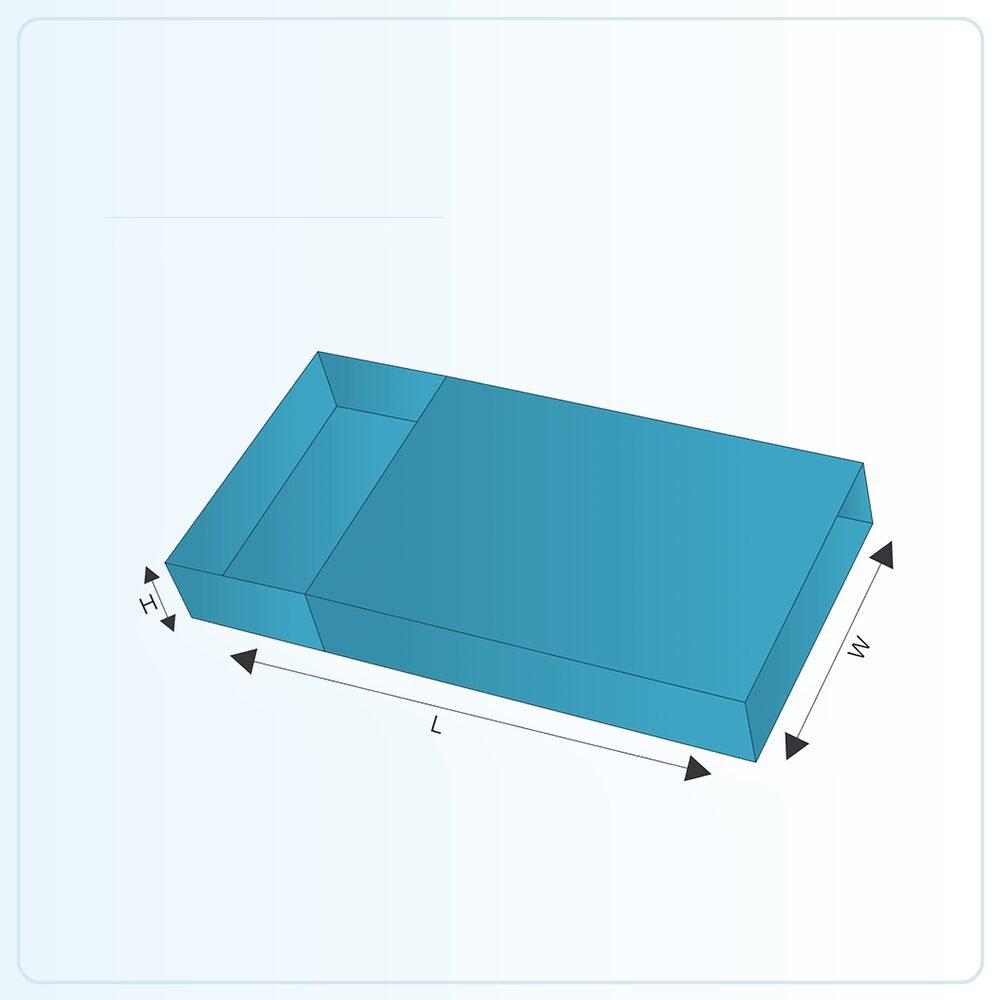
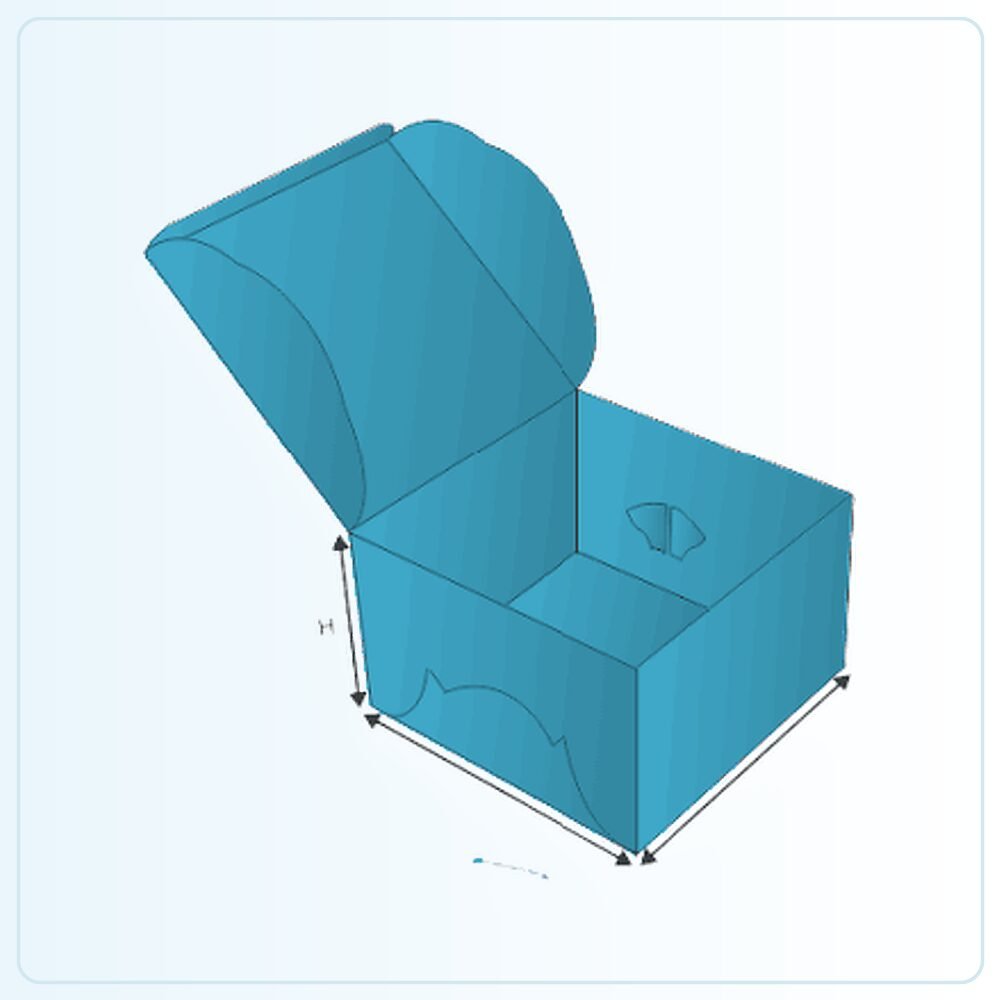
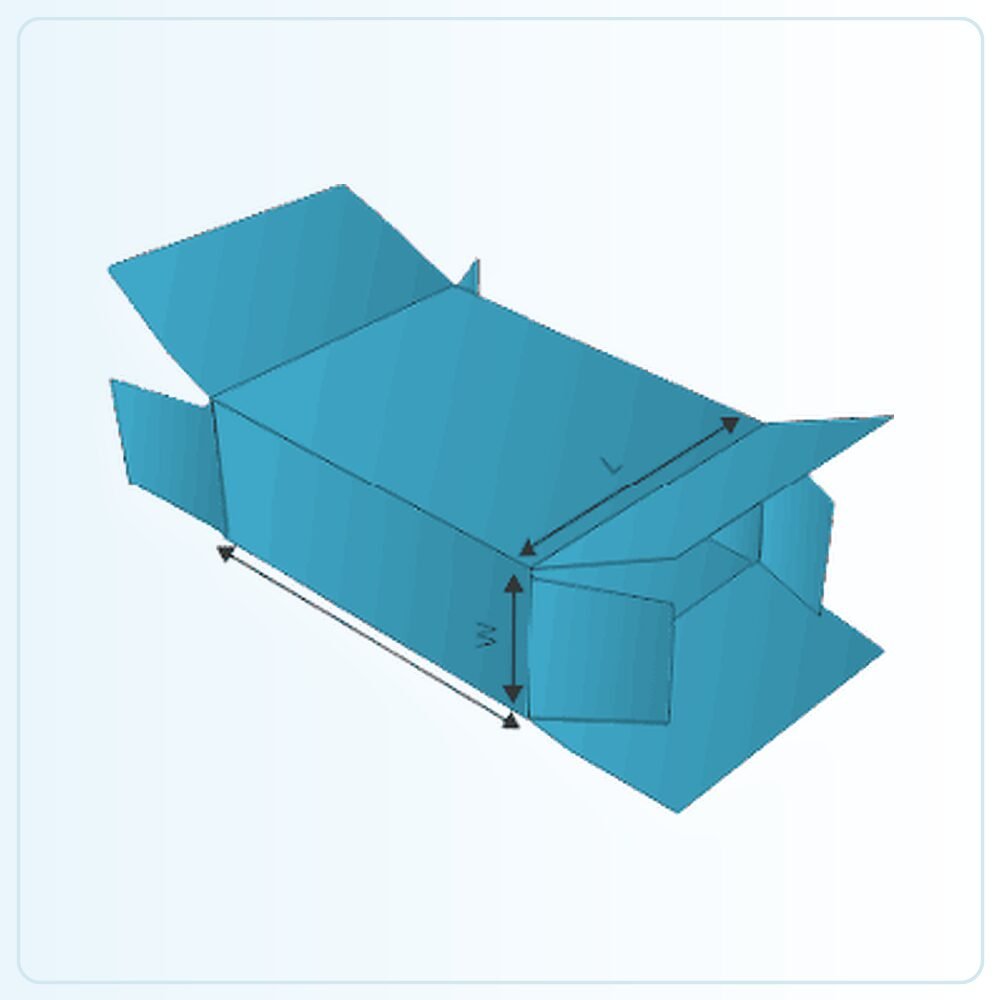
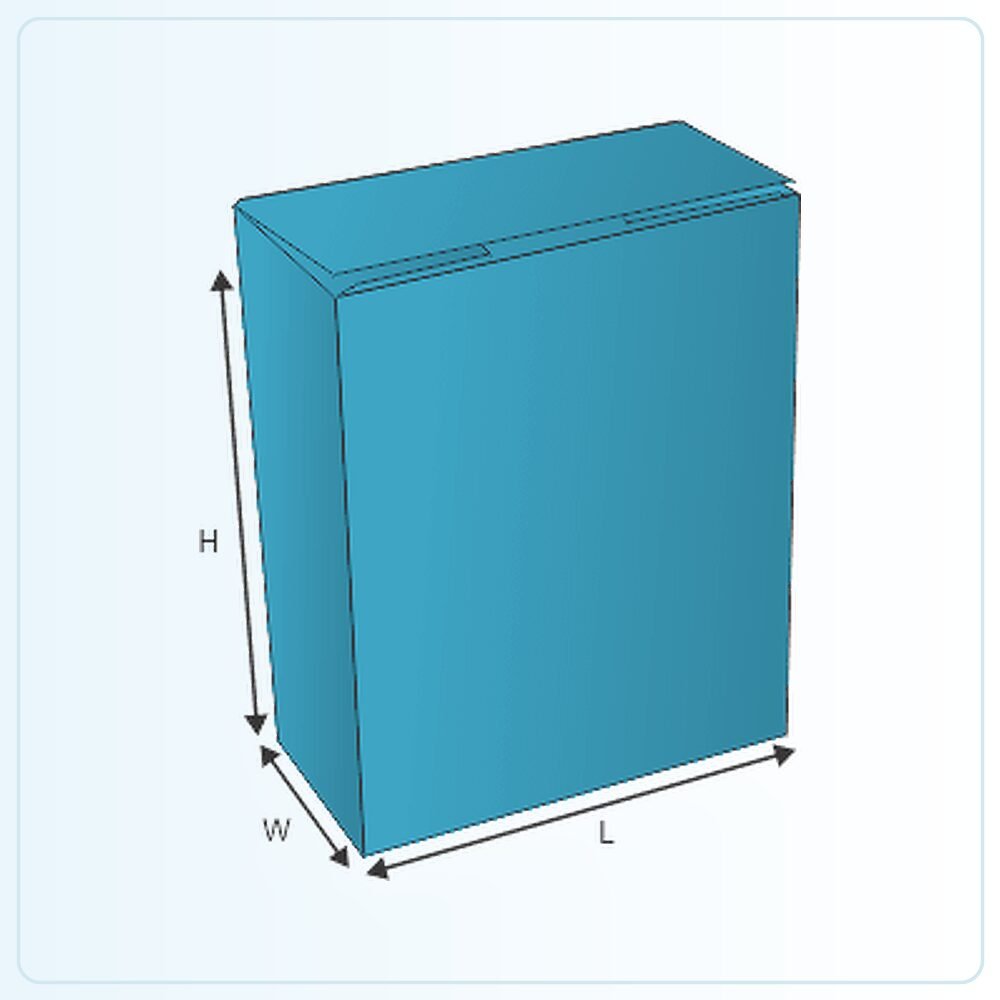
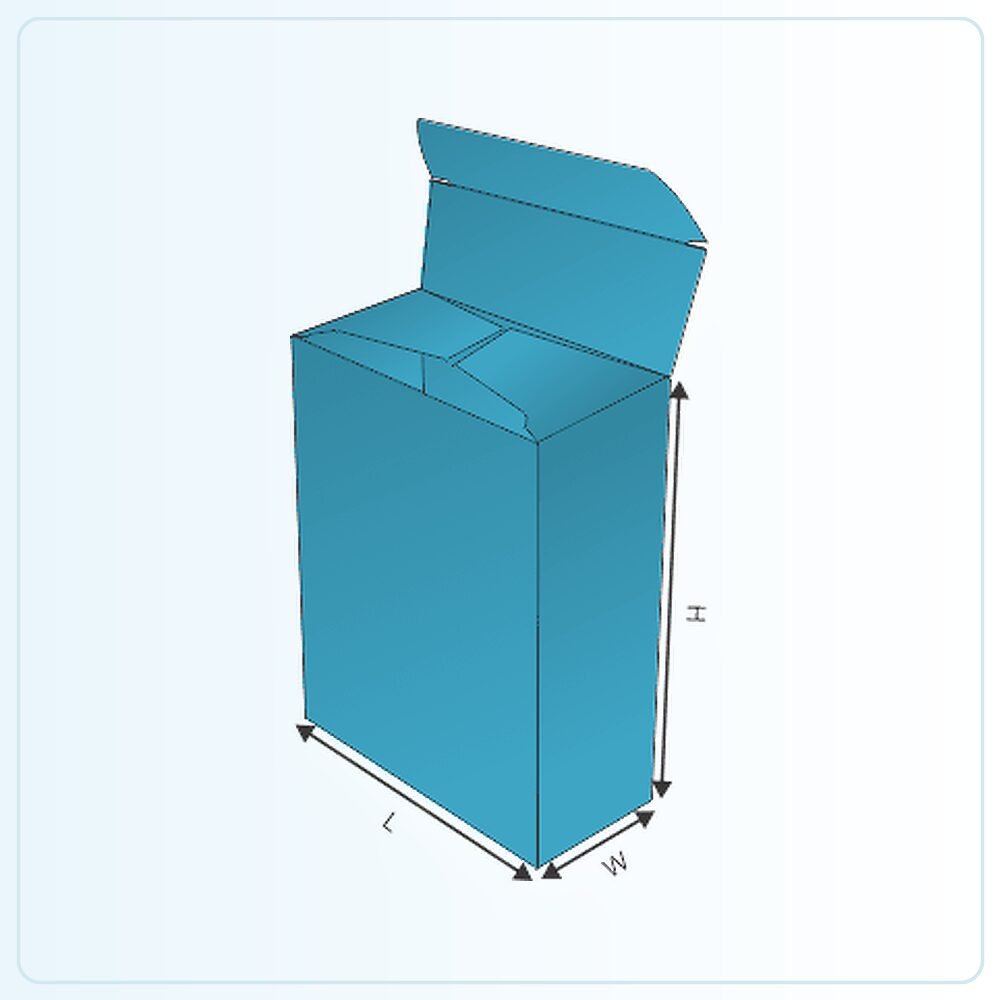
The illustration is a starting point for a made-to-order pack. It is not a production drawing that should simply be enlarged until your product appears to fit. Share the finished product measurements, packed weight and any inner components so the structure can be assessed at the size you actually need. Mark whether your measurements describe the product, the space inside the box or the outside of an existing pack.
Check the sample, not just the screen
A physical sample is available for £25 delivered. Agree what that sample will represent: the construction, material, printed appearance or a particular combination. A plain structural sample answers different questions from a finished printed example. Fill it with the actual product and include every insert, leaflet, wrapper or accessory that belongs in the final pack.
Ask the person who normally packs your orders to try it. Check the sequence of assembly, how comfortably the item goes in and how the customer removes it. Write down the changes you need before approving the next stage. If the pack will travel through a delivery network, assess the complete parcel rather than judging protection from an empty retail carton.
Get a clear price for the complete job
Orders start from 100 units. Our quoted prices include VAT and doorstep delivery. Usual production and delivery is 6–9 days; confirm the actual schedule for your agreed specification and target date. Tell us your delivery postcode, artwork status and any deadline when requesting a quote.
The useful comparison is the same structure, size, board, printing, finish and quantity. Ask for alternatives if you need to work towards a budget, and have any setup or additional components identified in the written quotation. Send your brief and we can help you settle the practical details before committing to the run.
Compare partitioned retail displays, tray and sleeve sets, or request a packaging quote for this style.