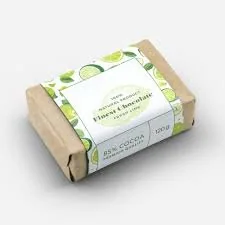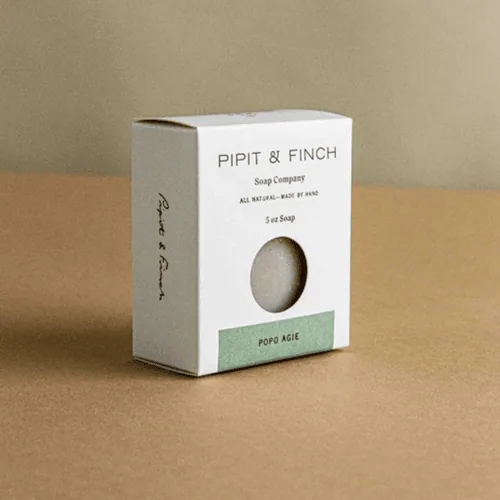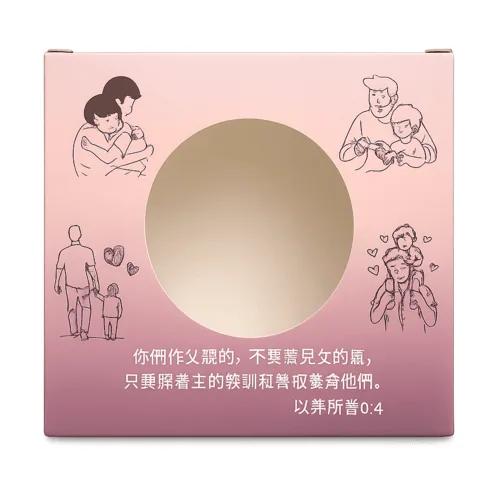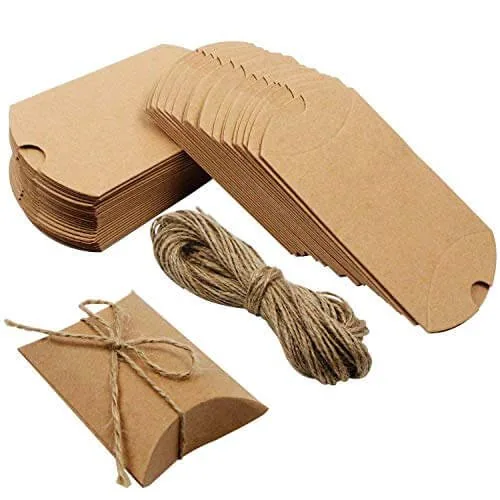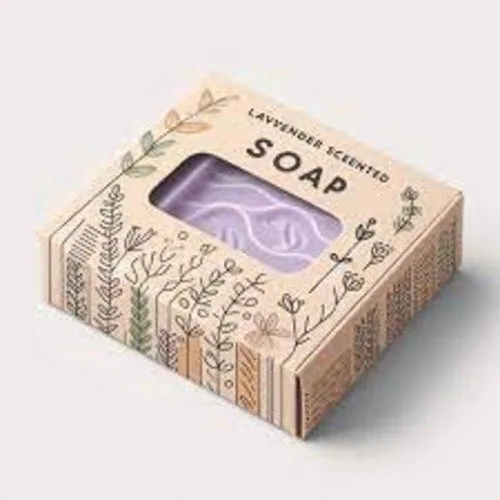
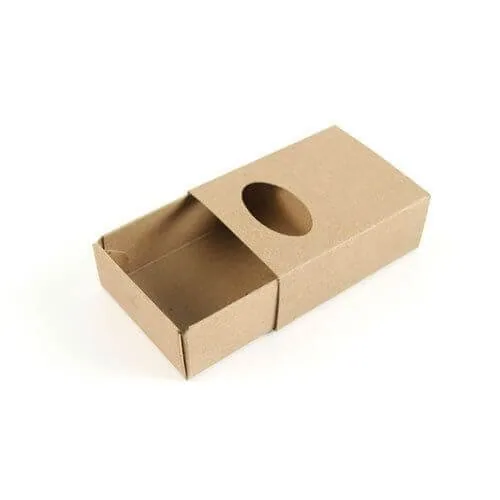
Die cut soap packaging with a purpose behind the shape
A distinctive opening, curved edge or shaped panel can give a soap pack its own identity. Die cut soap packaging allows the outline and construction to be considered alongside the printing, rather than treating the box as a standard rectangle with a logo added afterwards.
The best starting point is the purpose of the detail. You might want to reveal a stamped bar, echo a brand motif or make the pack easier to open. Tell us what you want it to do and we can discuss how the cut and fold arrangement could work.
Turn the idea into a structural brief
Send a sketch, reference photograph or rough mock-up with the soap measurements. Include the wrapper, if used, and explain which face of the bar should be visible. A visual reference helps communicate the idea, but it does not replace dimensions or a check of the proposed construction.
The dieline identifies the cutting and folding layout for the pack. Artwork needs to be prepared against the agreed version so the design lands on the intended panels. If the shape changes, check the artwork again rather than assuming the previous layout still fits.
Balance open areas with usable board
A larger cut-out reveals more product, but it also removes material from the carton. Narrow bridges of board and openings close to folds need careful consideration. The bar should remain supported and the closure should work without relying on a fragile decorative edge.
Discuss the shape and position of the opening together. A modest opening aligned with the soap's feature may do the job more neatly than removing most of the front. Our window soap boxes are a useful comparison if product visibility is your main requirement.
If a clear film is proposed, specify it separately from the cut-out. An open aperture and a covered window are different constructions. Ask about the material, attachment and suitability for the complete pack before approving either option.
Keep the artwork away from the working edges
Position important wording with sufficient space from cut lines and creases. A logo can be visually close to an opening in a mock-up yet look cramped after manufacture. Ask for the artwork setup requirements for the agreed dieline, including bleed and safe areas.
If the carton carries a retail barcode, avoid putting it across a fold, opening or join. GS1 UK's placement guidance is a useful reference for choosing a suitable surface. Keep decorative changes from taking away the space the code needs.
Test the structure with the real bar
A sample should be filled, closed and handled, not just admired empty. Check whether the soap catches on the opening, whether sharp corners press on a fold and whether the pack retains its shape during normal retail handling. Include any inner wrap or support in the test.
Consider assembly as well. An unusual shape may need a different packing routine from a familiar tuck carton. If the pack will be filled by hand, ask the person doing the work to try it before the structure is settled.
Discuss the production details before fixing a budget
The cut pattern, dimensions, board, print coverage and run size all form part of the quotation. Ask for any setup or tooling requirements to be clear in the written specification. We can compare a simpler construction with your preferred design so you can judge what the extra detail contributes.
Do not assume a decorative carton is a shipping pack. For mail-order soaps, describe the outer packaging and the number of bars in each parcel. The retail design and transit arrangement should work together.
Orders start from 100 boxes. VAT and doorstep delivery are included in quoted prices. Usual production and delivery is 6–9 days, with the exact schedule confirmed for the agreed structure. A physical sample is available for £25 delivered; confirm what can be represented in that sample. Send your die cut soap box idea, dimensions and quantity to start the discussion.