Paper soap boxes for an organised retail range
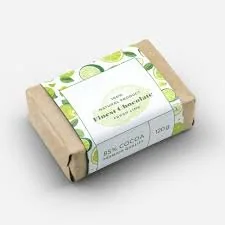
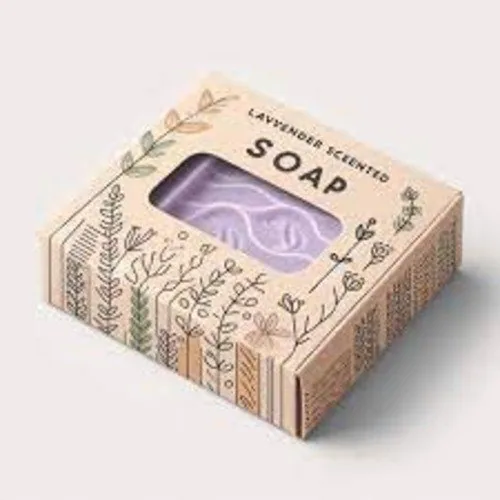
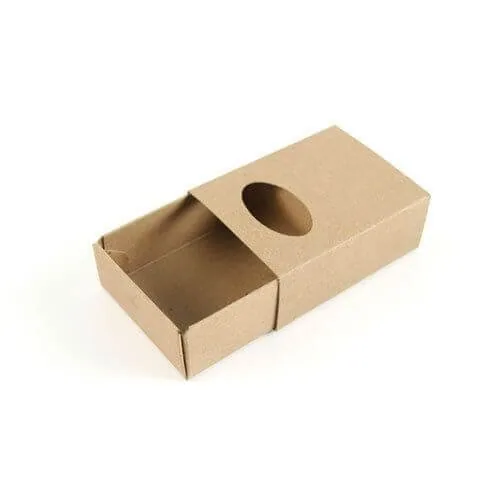
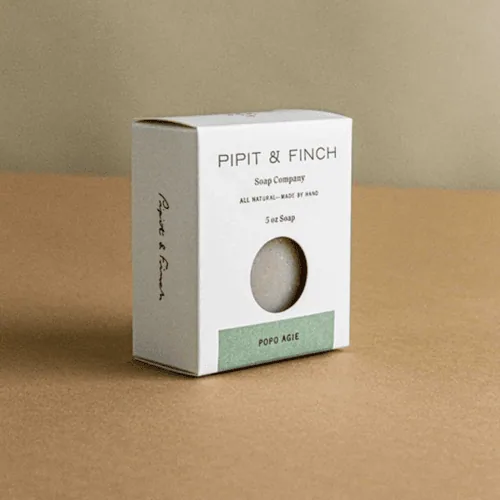
Paper soap boxes are folding cartons made from board, rather than thin paper wraps. They provide a defined shape around the bar and several surfaces for branding, fragrance information and the practical details that need to travel with the product.
For many UK soap businesses, this is a sensible place to begin: choose a comfortable fit, a straightforward closure and a print layout that can be used consistently across the range. We can discuss the board and finishing once we know how the pack will be filled, displayed and handled.
Choose paperboard for the complete job
Ask which board is proposed, how it folds and why it suits the bar. A heavier number on a specification sheet does not by itself tell you whether the carton will assemble neatly or give the finish you want. The construction, dimensions and product weight all matter.
A white print surface can be worth discussing for detailed illustrations or a clean colour palette. If you want the brown stock to remain visible, compare kraft soap packaging. The choice should serve the product and brand rather than follow an assumption that one appearance is right for every handmade range.
Keep the fit comfortable at the packing bench
Measure your finished soap in three directions, with any wrapper included. If the bars vary, give the team a realistic range. A tight carton can make packing slow or put pressure on a decorative surface; an oversized carton can leave the bar moving unnecessarily.
Check the closure with the filled pack. Look at whether the flap tucks in easily and whether it remains seated during normal handling. If you pack hundreds of bars in a session, a small fit problem is worth resolving before committing to a full order.
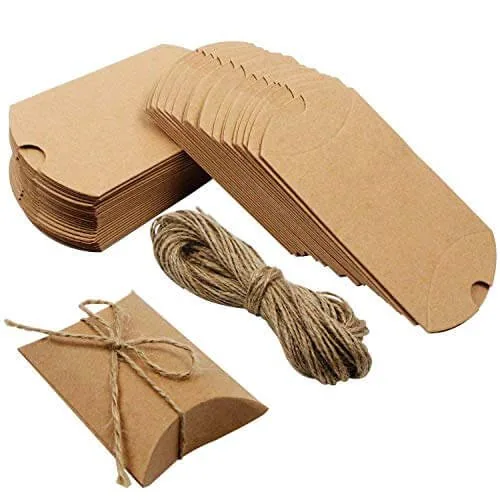
Ask how the chosen boxes are supplied and assembled. Flat-packed cartons can be convenient to store, but the appropriate supply format and assembly method should be confirmed for your particular structure.
Use the available panels properly
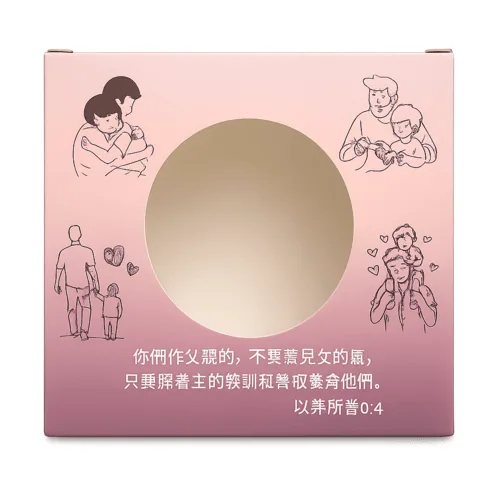
Give the front panel a clear product name and a recognisable brand. Keep supporting wording organised on the side or back. A repeated layout across fragrances makes it easier to compare products while still allowing each variant its own identity.
Decide where labels or batch details will be applied before finalising the artwork. If you intend to stamp, overprint or handwrite on the pack, ask whether the proposed surface is appropriate and test it. A decorative finish can change how a label adheres or how an ink mark behaves.
For soap sold as a cosmetic in Great Britain, your approved label information needs a planned place on the packaging. Refer to the official cosmetics guidance when preparing it; the packaging design does not itself establish compliance.
Separate presentation from product protection
A folding carton is not automatically grease-resistant or moisture-resistant. Explain the type of soap, intended wrapper and storage conditions when discussing the specification. Use representative bars in your sample checks, including any surface contact or marking that may occur over time.
For dispatched orders, assess the outer packaging as well. A retail carton can be one part of the packing system without being suitable for the postal journey alone. Tell us whether you ship one bar at a time or several products together.
Compare options without complicating the order
Begin with the essentials and price additional finishes only if they serve a purpose. A clear printed design on the right board may meet your needs without lamination or foil. If you are balancing a first launch against a later larger order, ask for quantities to be compared against the same specification.
Custom orders start from 100 boxes. Your quote includes VAT and doorstep delivery. Usual production and delivery is 6–9 days, with your exact schedule confirmed. A physical sample is available for £25 delivered; contents and timing are agreed first. Send your paper soap box enquiry with the size, quantity and artwork status, and we can help you settle the practical details.