Make the mailer work at both ends of the order
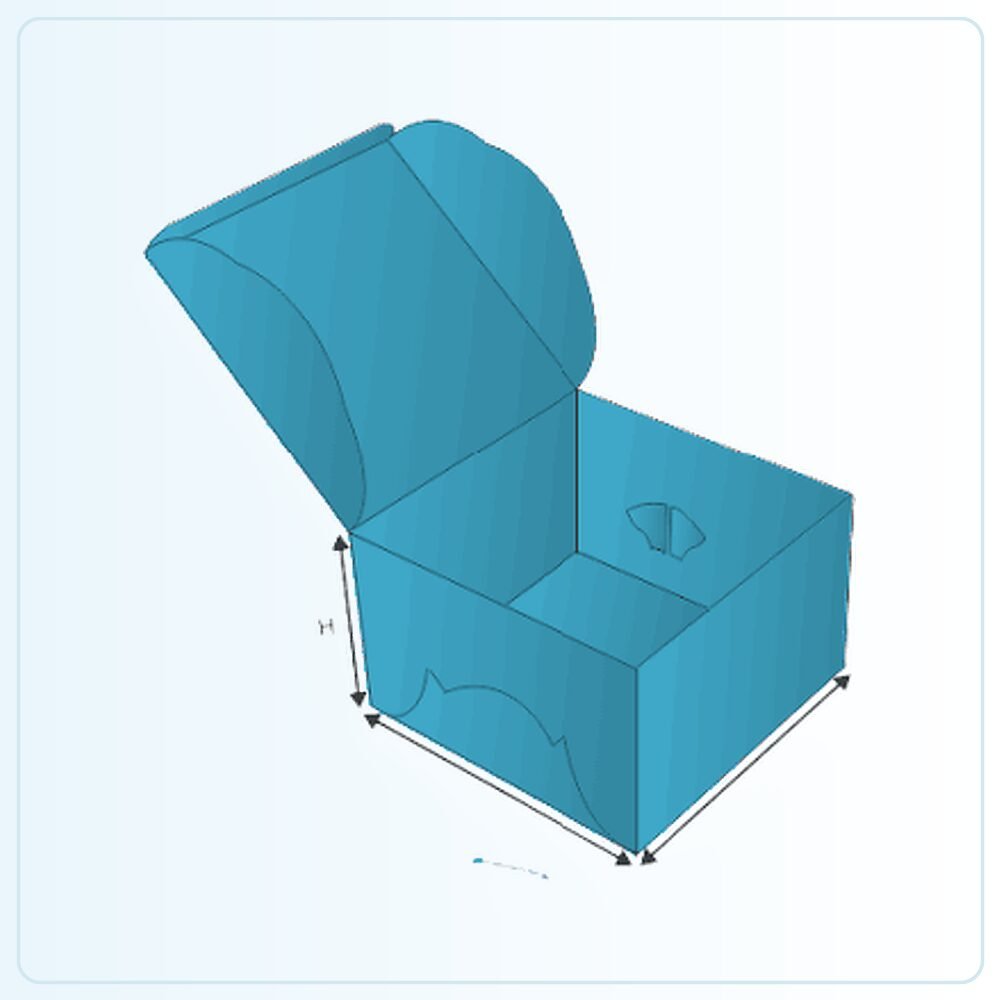
A mailer has to make sense for the person packing it and the person receiving it. The body, lid and closing details should provide a clear sequence, while the internal layout presents the product without making removal difficult. Confirm the exact construction on the drawing rather than assuming every mailer uses identical folds or locks.
Start with a typical order and any variations you regularly send. One item, a mixed bundle and a subscription selection may occupy different space. Explain which configurations the box should accommodate so the design can be assessed around real orders instead of a single ideal arrangement that rarely occurs in daily dispatch.
Size the pack around support as well as the product
Measure the complete contents, including wrapping, cards and accessories. Decide where the product sits and whether it needs an insert or another protective component. A close-looking box is not necessarily well supported, while an oversized one may leave the packing team to fill unnecessary space.
Try the largest and smallest intended order configurations. Check that products do not press against the closing area or move into gaps left by a smaller bundle. If a shared mailer needs different inserts for different products, include those versions in the specification and make them easy to identify at the packing bench.
Agree the material for the route you use
Corrugated material is commonly considered for mailer constructions, but the board and finished structure still need specifying for your product and handling. Provide the packed weight, fragility and any surface that must remain free from marks. The style name alone does not establish delivery performance.
If you have a recurring problem with an existing mailer, describe it directly. A crushed corner, a moving product and a closure that lifts are different issues. A photograph of the complete packing arrangement can help identify what needs review, without assuming that a thicker board or a larger box is automatically the answer.
Make the final closure explicit
Some mailer structures have mechanical locking features, but that does not settle every sealing requirement for dispatch. Agree whether tape, a label or another closure is needed for the intended route. Include the chosen method in the sample trial and daily packing instructions.
Consider customer opening too. The pack should give a sensible access point without forcing the recipient to damage the product or dismantle the whole structure. If return use is part of the brief, explain that before approval. A box that opens once is not automatically configured for a second secured journey back to your business.
Put the print where it survives packing
The outer lid can carry a strong brand message, but leave practical areas for shipping labels and sealing materials. Check the layout against your actual label size and position. A carefully designed logo is of limited value if the dispatch process covers it on every order.
Inside printing can support the opening with a short message, instructions or a clear product backdrop. Use it where it adds something useful rather than filling every surface. Review the closed and opened sample together, including the inner wrapping, so the sequence feels coherent from delivery label to product reveal.
Keep the repeat order easy to specify
Record the approved structure, internal dimensions, board, print coverage and closure method. Include the insert and packing arrangement where they are part of the tested result. This gives your team a clear reference when ordering more boxes or training someone new at dispatch.
Compare quantities against the space available to store the packaging and the stability of your product range. A large run is only useful if the design still suits future orders. If products or bundles change regularly, discuss the likely variations now so the chosen mailer and supporting components remain practical across the uses you have identified.
If you dispatch several product combinations, trial the smallest and fullest orders in the proposed mailer. Include the paperwork and protective materials that the packing team actually uses.
Turn the template into your own specification
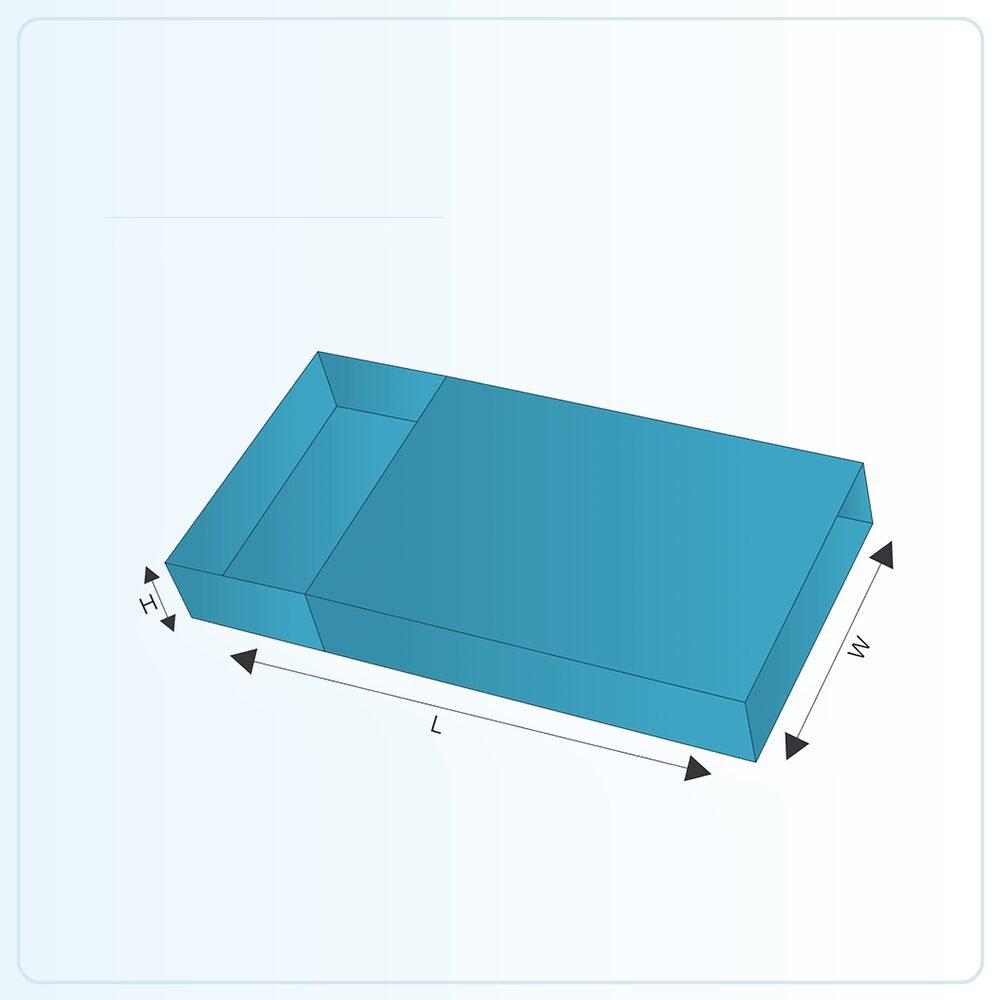
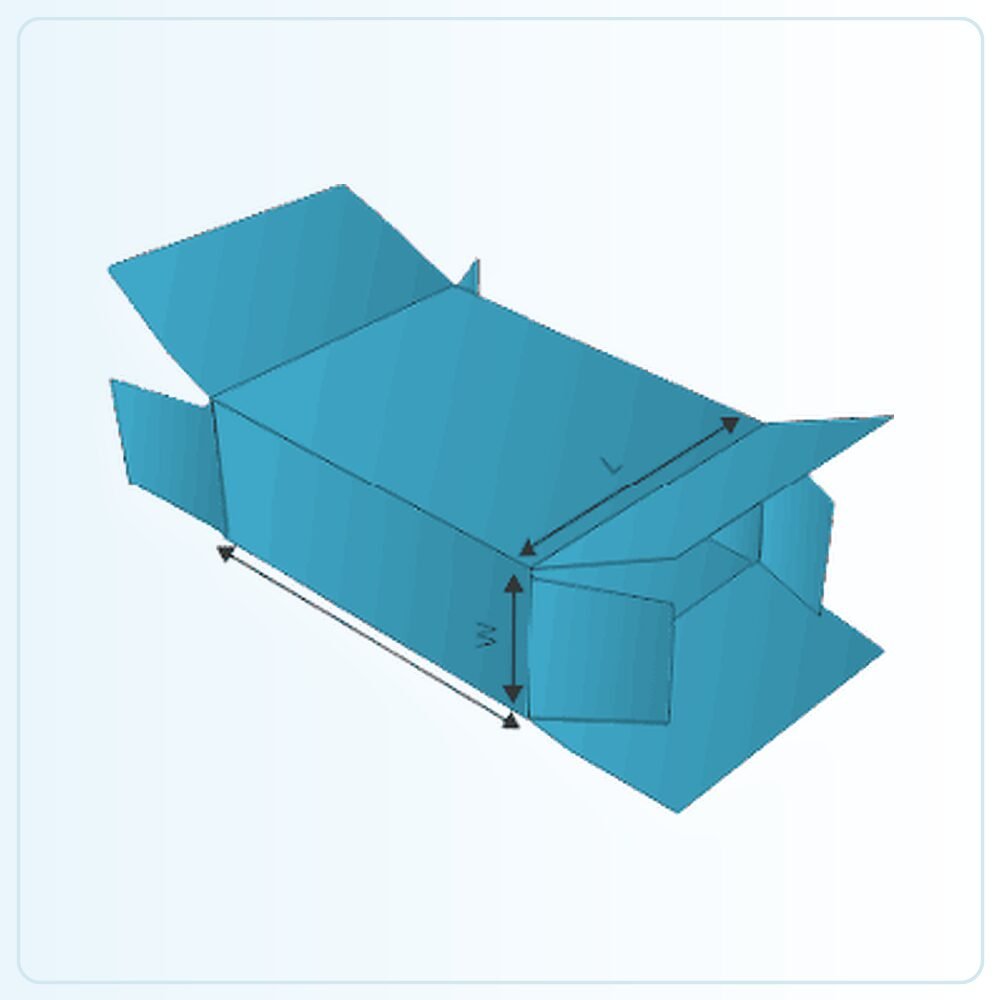
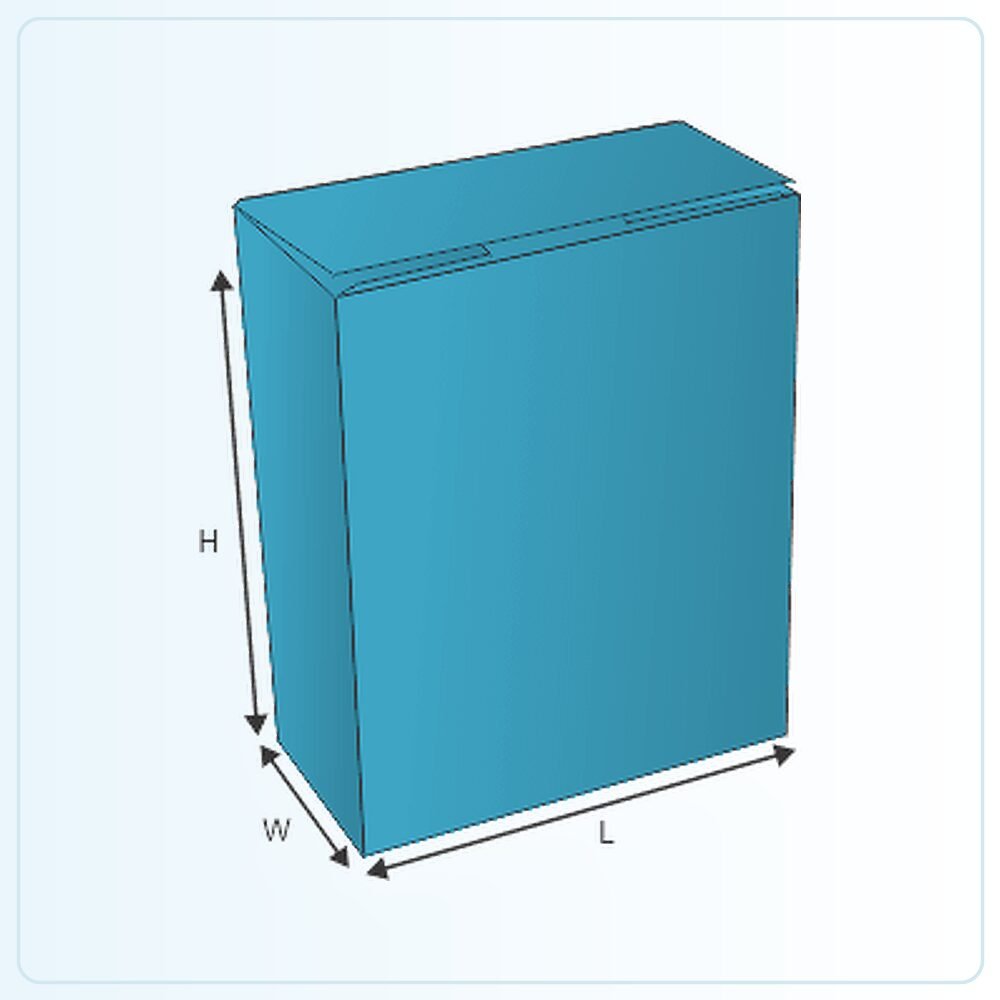
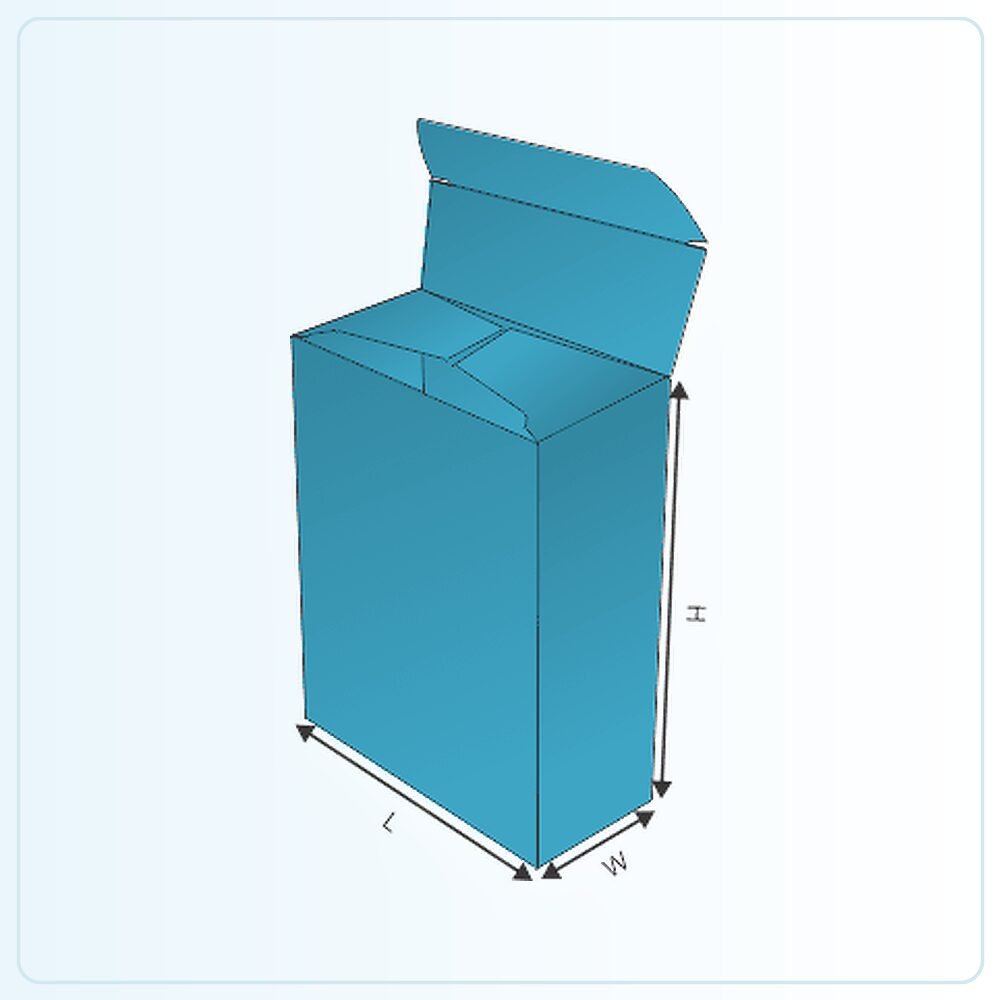
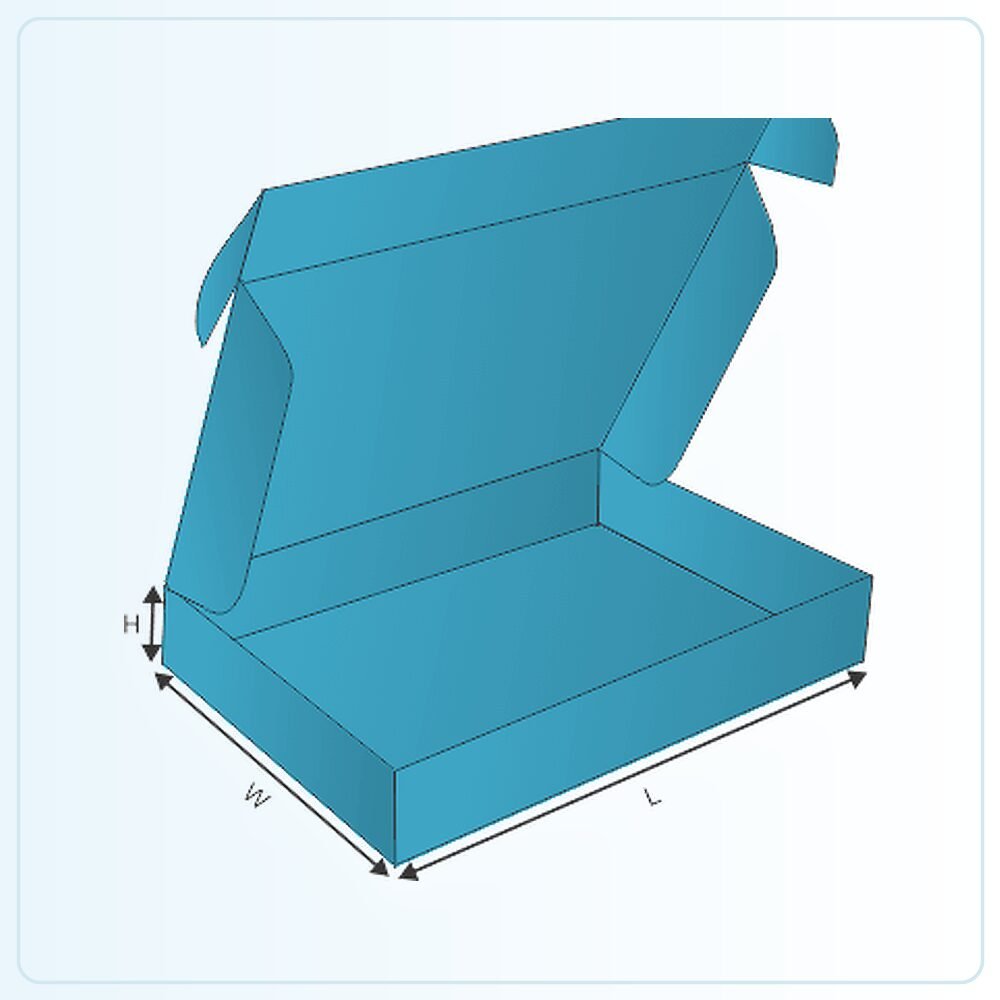
The illustration is a starting point for a made-to-order pack. It is not a production drawing that should simply be enlarged until your product appears to fit. Share the finished product measurements, packed weight and any inner components so the structure can be assessed at the size you actually need. Mark whether your measurements describe the product, the space inside the box or the outside of an existing pack.
Check the sample, not just the screen
A physical sample is available for £25 delivered. Agree what that sample will represent: the construction, material, printed appearance or a particular combination. A plain structural sample answers different questions from a finished printed example. Fill it with the actual product and include every insert, leaflet, wrapper or accessory that belongs in the final pack.
Ask the person who normally packs your orders to try it. Check the sequence of assembly, how comfortably the item goes in and how the customer removes it. Write down the changes you need before approving the next stage. If the pack will travel through a delivery network, assess the complete parcel rather than judging protection from an empty retail carton.
Get a clear price for the complete job
Orders start from 100 units. Our quoted prices include VAT and doorstep delivery. Usual production and delivery is 6–9 days; confirm the actual schedule for your agreed specification and target date. Tell us your delivery postcode, artwork status and any deadline when requesting a quote.
The useful comparison is the same structure, size, board, printing, finish and quantity. Ask for alternatives if you need to work towards a budget, and have any setup or additional components identified in the written quotation. Send your brief and we can help you settle the practical details before committing to the run.
Compare corrugated shipping cartons, handled mailer boxes, or request a packaging quote for this style.