Start with the packed product and its journey
The right shipping box begins with the contents, not a standard size chosen because it looks close. Describe the product dimensions, packed weight, fragility and any surfaces that must remain unmarked. Include accessories and existing protective wrapping so the carton is assessed around the complete order.
Then explain the route. Individual courier parcels, grouped cartons and palletised deliveries can involve different handling and storage. The word corrugated identifies a material family, but it does not establish a universal level of protection. A useful brief connects the box construction and board to the conditions your goods will actually encounter.
Balance close fit with room for protection
Avoid choosing a large carton and expecting loose filler to solve every fit problem. Equally, a very tight box can leave no room for appropriate protection around a fragile item. Work out the product position and supporting components together, then confirm the usable internal space.
For a multi-item order, consider contact between the products as well as contact with the box walls. A divider, support or individual wrapping may be needed depending on the items. Keep the tested arrangement consistent in daily packing: changing the number of products or omitting a protective component can change how the parcel performs even when the outer carton is unchanged.
Specify the board rather than relying on appearance
Ask for the board construction to be identified in the quote and describe the load and handling it needs to support. A thick-looking sheet is not a complete performance specification. Panel dimensions, construction, contents and the way cartons are stacked can all matter to the finished pack.
If a performance requirement or test is important to your business, state it explicitly and agree how it will be assessed. Do not assume a test result for one carton size or product automatically applies to another. The most useful comparison is the proposed complete pack with the actual goods and packing method you intend to use.
Plan the closing operation at the dispatch bench
Decide how the filled carton will be closed and which materials your team will use. A flap arrangement and its final sealing method are different parts of the specification. Trial the sequence with the full contents, checking that the carton closes without excessive pressure or an untidy gap.
If you use labels, tape or a particular packing station, include those requirements before finalising the artwork. Leave practical space for dispatch identification and avoid placing the main brand message where it will routinely be covered. A box should be easy to recognise and straightforward to prepare, not require a different improvised sealing method for each order.
Make printed branding useful in transit
The outside can carry your brand while also helping staff identify the order or product range. Keep the design readable when cartons are stacked or viewed from the side. If different products use similar-sized boxes, a clear identifier can help reduce selection mistakes at the packing bench.
Treat handling messages as supporting information, not as a replacement for protective packaging. A fragile label does not cushion an unsupported item. If the customer will see the shipping carton as the first branded surface, plan a tidy layout around the practical areas used for tape and labels so the presentation survives the real dispatch process.
Check storage, quantities and repeat orders together
Consider where flat cartons will be stored and how many sizes your team can manage comfortably. A smaller range of well-chosen sizes may simplify packing, but each needs to fit its intended products properly. Compare the effect on internal support and packing effort before standardising several orders into one carton.
For repeat orders, keep the approved board, dimensions, closure and packing arrangement on record. Review the specification if the product weight, courier route or order mix changes. A shipping box is part of an operating process, so the best reorder is based on how the complete parcel is performing rather than on the outer dimensions alone.
Turn the template into your own specification
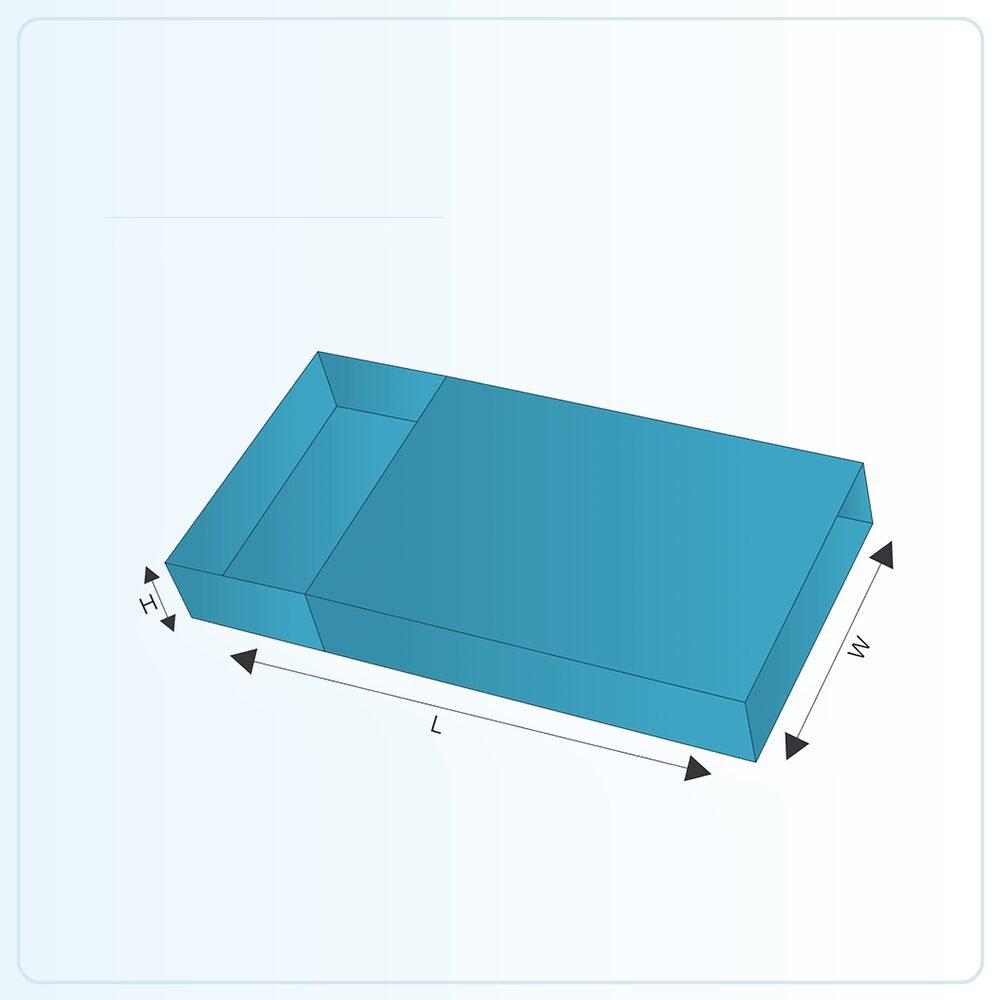
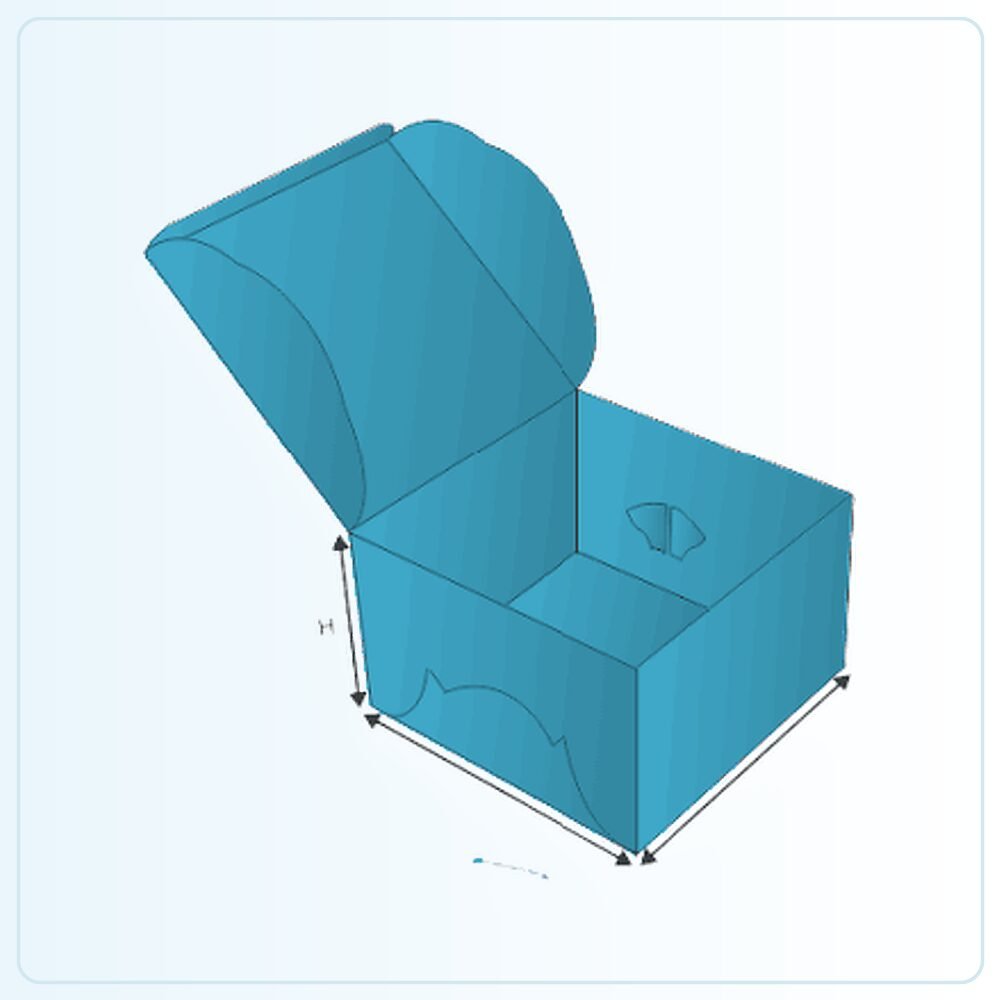
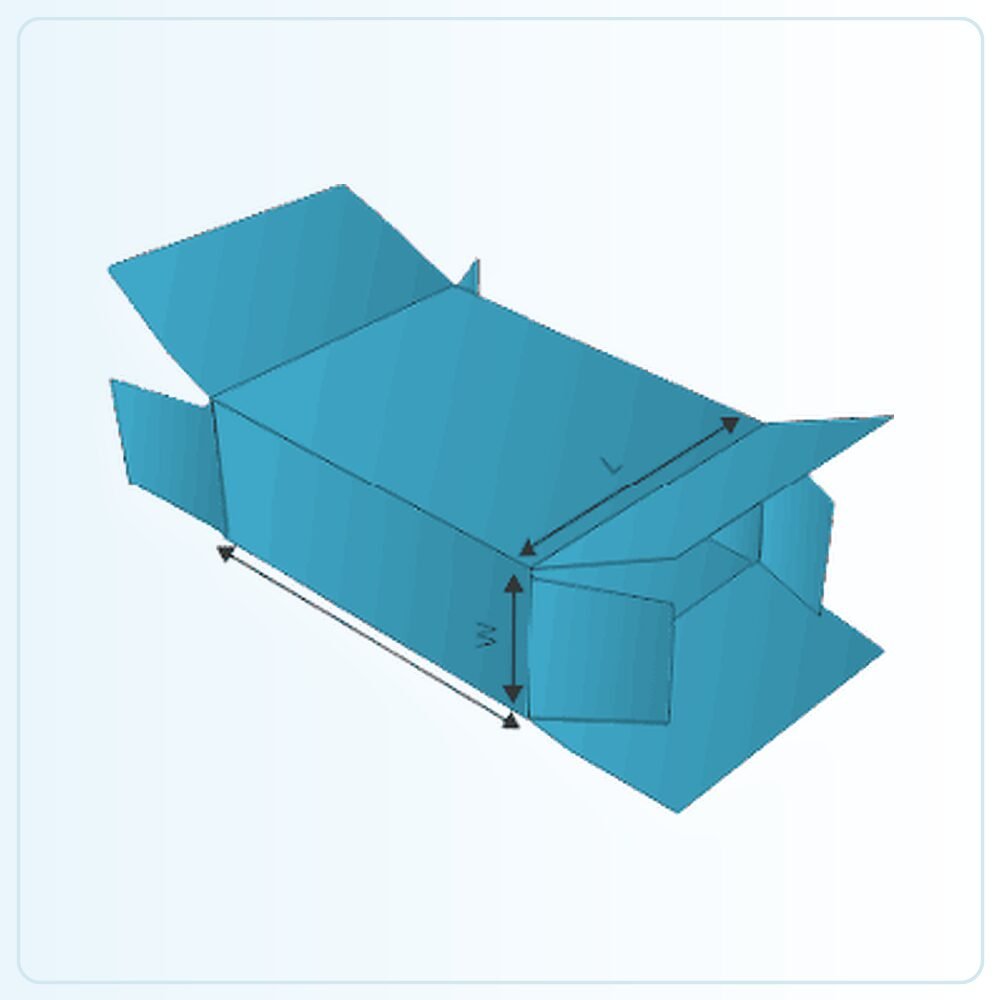
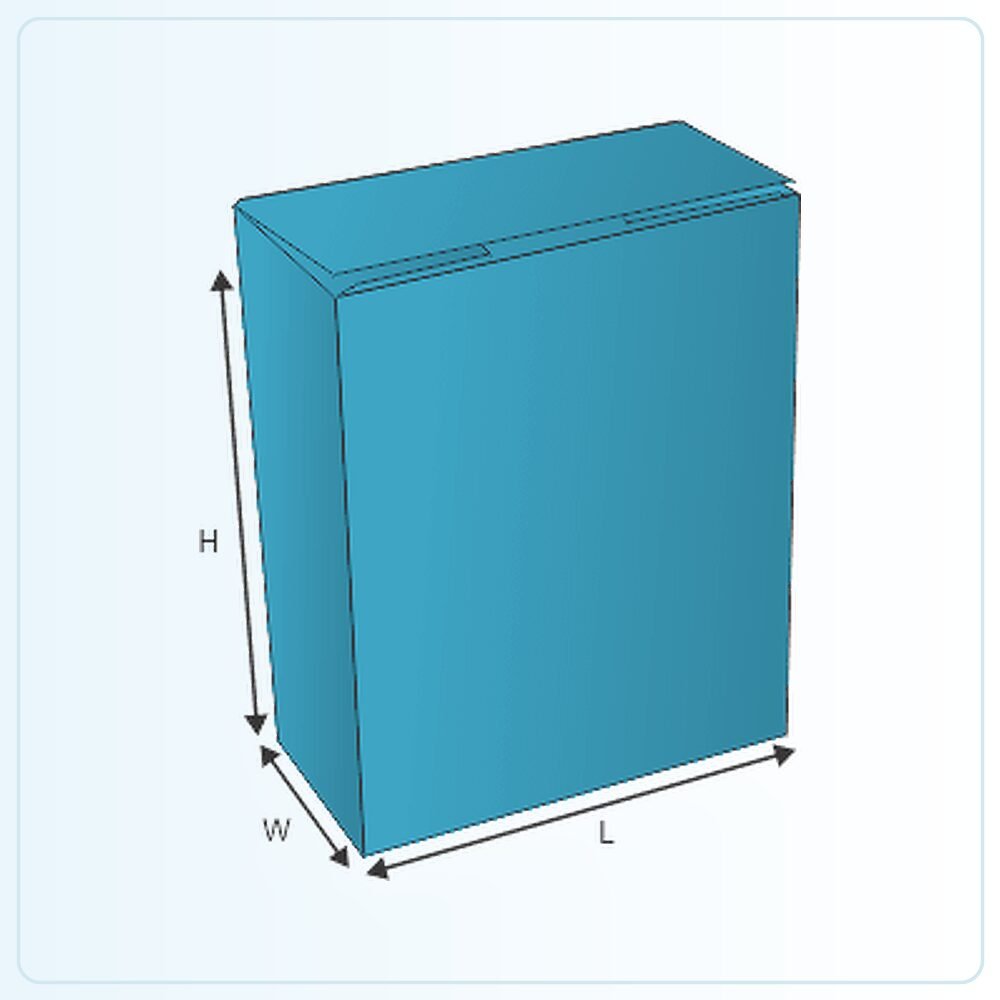
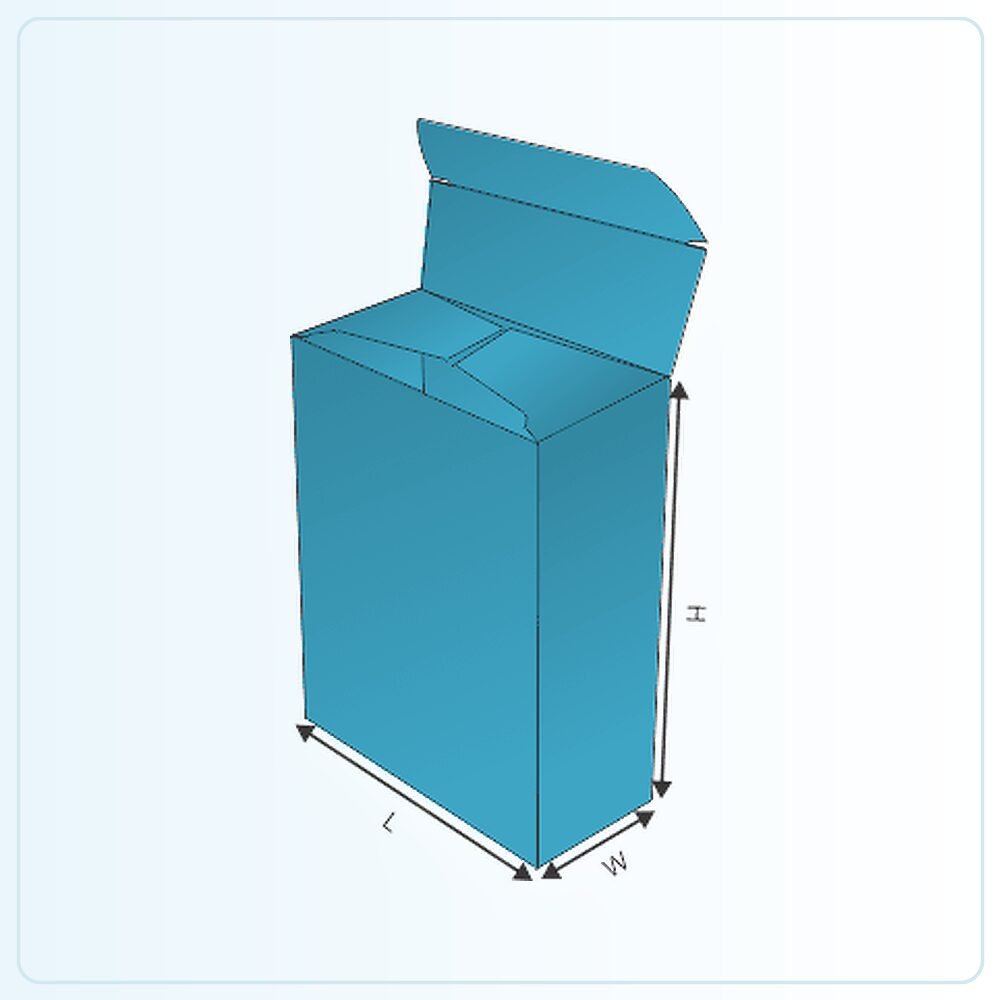
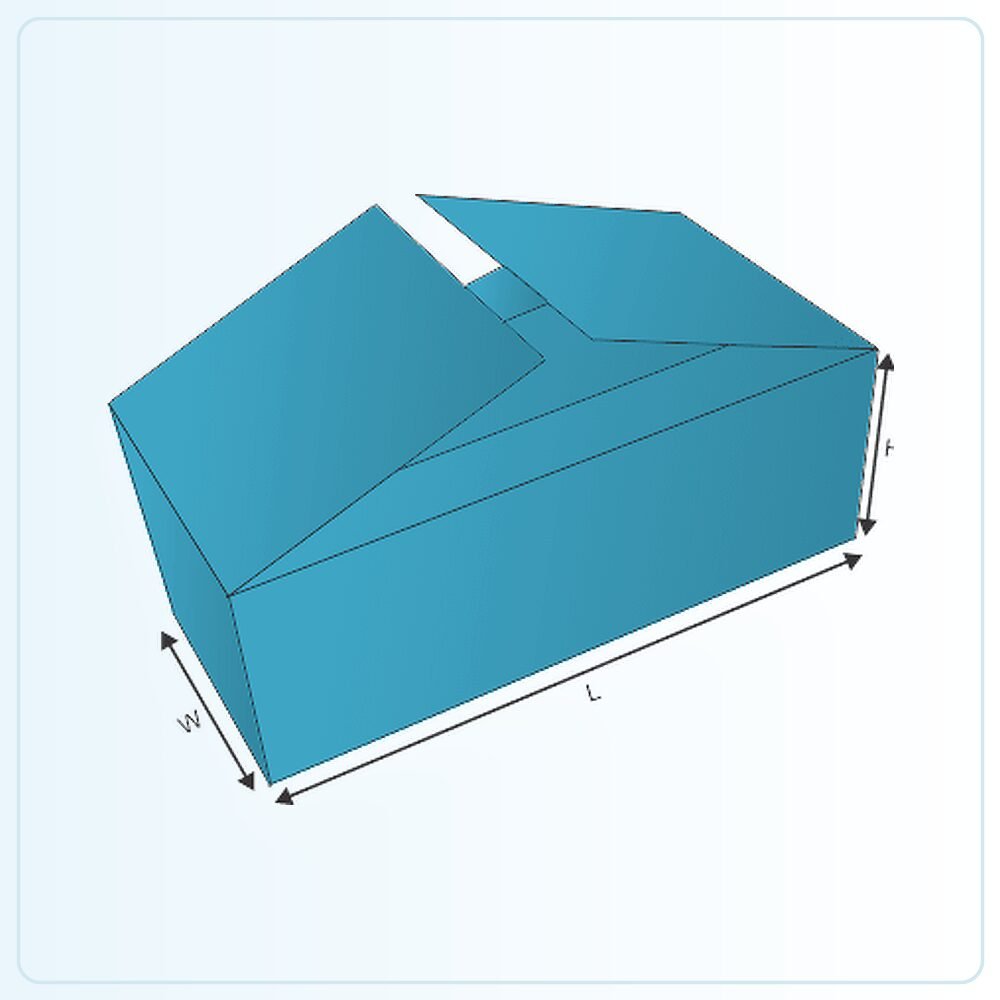
The illustration is a starting point for a made-to-order pack. It is not a production drawing that should simply be enlarged until your product appears to fit. Share the finished product measurements, packed weight and any inner components so the structure can be assessed at the size you actually need. Mark whether your measurements describe the product, the space inside the box or the outside of an existing pack.
Check the sample, not just the screen
A physical sample is available for £25 delivered. Agree what that sample will represent: the construction, material, printed appearance or a particular combination. A plain structural sample answers different questions from a finished printed example. Fill it with the actual product and include every insert, leaflet, wrapper or accessory that belongs in the final pack.
Ask the person who normally packs your orders to try it. Check the sequence of assembly, how comfortably the item goes in and how the customer removes it. Write down the changes you need before approving the next stage. If the pack will travel through a delivery network, assess the complete parcel rather than judging protection from an empty retail carton.
Get a clear price for the complete job
Orders start from 100 units. Our quoted prices include VAT and doorstep delivery. Usual production and delivery is 6–9 days; confirm the actual schedule for your agreed specification and target date. Tell us your delivery postcode, artwork status and any deadline when requesting a quote.
The useful comparison is the same structure, size, board, printing, finish and quantity. Ask for alternatives if you need to work towards a budget, and have any setup or additional components identified in the written quotation. Send your brief and we can help you settle the practical details before committing to the run.
Compare mailer box styles, partitioned inner packaging, or request a packaging quote for this style.