A curved shape with its own fitting rules
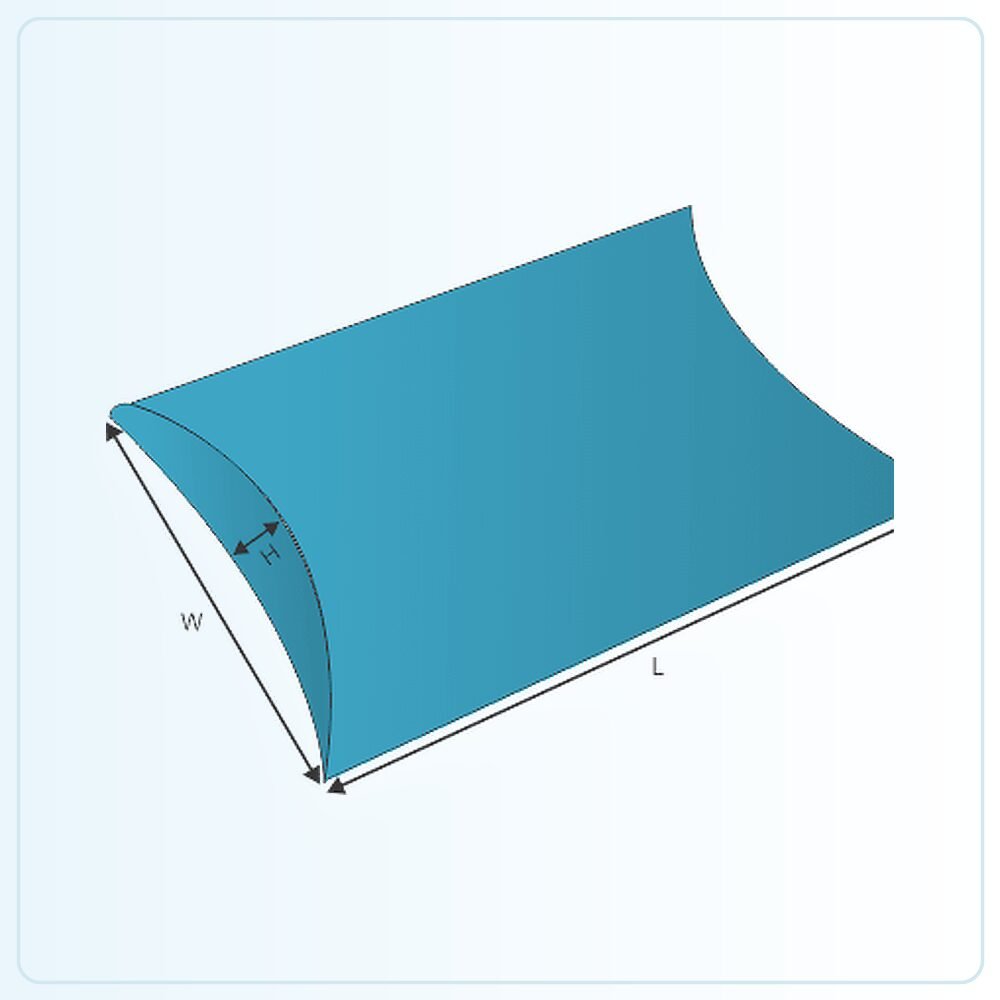
Pillow boxes form a curved body with shaped end closures, creating a different silhouette from a rectangular carton. They can be considered for accessories, small gifts and other products that suit the available internal space. The shape itself does not establish a standard capacity or make every small item suitable.
Start with the product in its finished state, including any backing card, wrapper or decorative feature. Explain whether it should sit loose, be supported or remain in a particular orientation. The curved profile should complement that arrangement rather than force a rigid item into space that narrows towards the ends.
Check usable room after the ends are closed
The maximum width or length of the flat or outer shape is not the same as an unobstructed rectangular cavity. The closing ends and curved body affect where the product can sit. Provide the full product dimensions and identify corners or projections that may approach those areas.
Trial the sample with the actual item. Close both ends and check whether the body distorts, the product presses against a curved panel or a flap is pushed back out. Avoid applying a universal deduction from a nominal size; the useful clearance depends on the specific drawing, board and product shape.
Make packing and removal comfortable
Decide which end is used for filling and how the item is oriented as it enters. A backing card or inner wrapper can catch at an opening even when it fits the middle of the box. Try the entire movement rather than placing the item inside an unclosed blank and assuming the finished pack will behave the same way.
The recipient also needs a clear way to open the pack and remove the product. If a small item sits deep inside the curved body, consider whether an inner presentation or support makes access easier. The final arrangement should feel considered without requiring the customer to shake or bend the box to reach the contents.
Choose a display position that suits the curve
Think about whether the pillow box is placed flat, stood in another display or grouped in a gift arrangement. Its curved surfaces do not behave like the broad flat faces of a rectangular carton. Check how the filled pack rests and whether the intended product identity remains visible.
If the pack is sold from a shelf or counter, trial several units together. A design that looks attractive alone may need a different display arrangement when stocked in quantity. If a hanging feature or another support is required, include it in the brief rather than assuming the basic pillow structure provides it.
Give the print a focal point on the curved surface
Place the main logo and product name where they remain readable on the assembled body. A wide graphic can wrap away from the viewer, so check it at the actual finished size. Use the curved shape as part of the presentation rather than filling every area with equally important text.
Keep essential information clear of the working end flaps and any joining area. For variants, use recognisable wording and a consistent layout so staff and shoppers can distinguish similar packs. If a barcode or label is needed, plan its position around the final surface rather than treating the flat artwork as the only view that matters.
Treat presentation and delivery as separate decisions
A pillow carton can provide a memorable retail or gift presentation, but it should not automatically be treated as a shipping container. Fragile contents may need their own support, and the curved outer pack may need protection within a parcel. Describe the full journey when requesting the quote.
If the product has specific contact or barrier needs, include the inner wrapping and material requirements in the brief. The paperboard shape does not prove moisture, grease or food-contact performance. A well-specified pillow box gives the intended appearance while remaining honest about which parts of the complete packaging provide protection.
Turn the template into your own specification
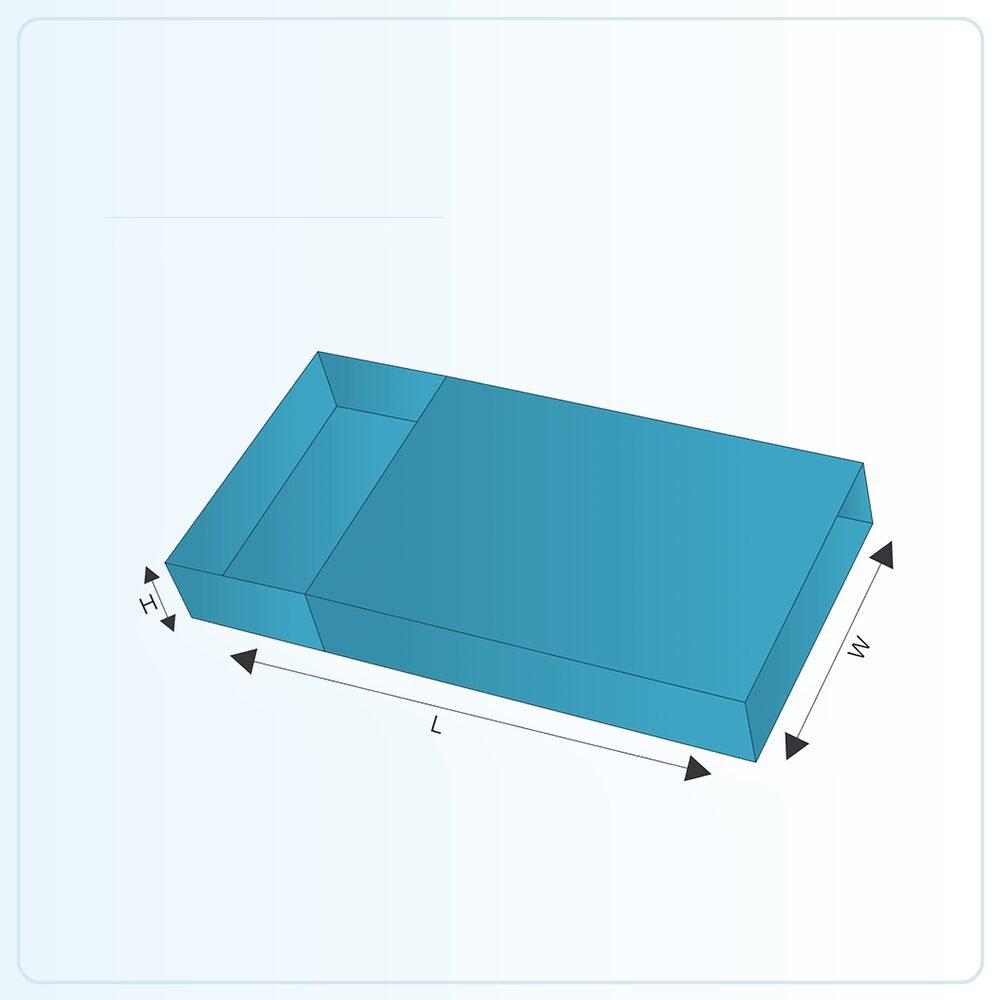
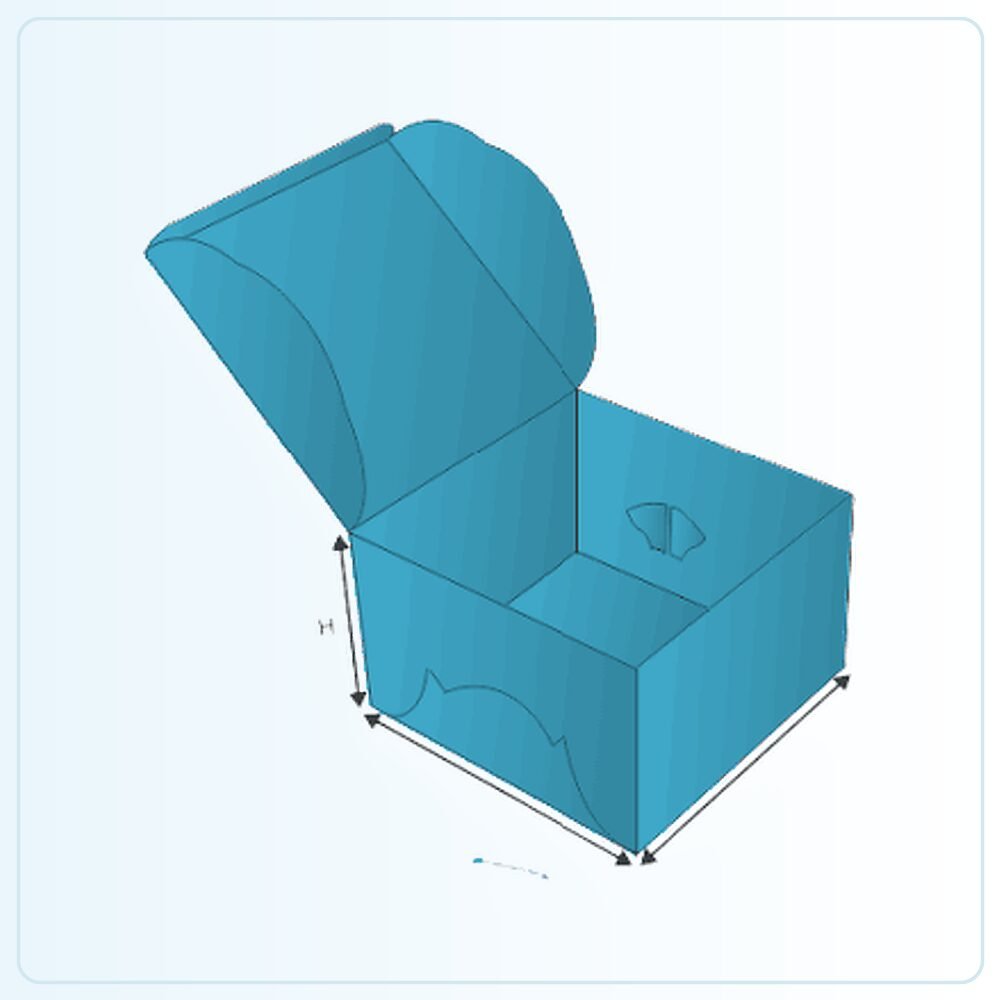
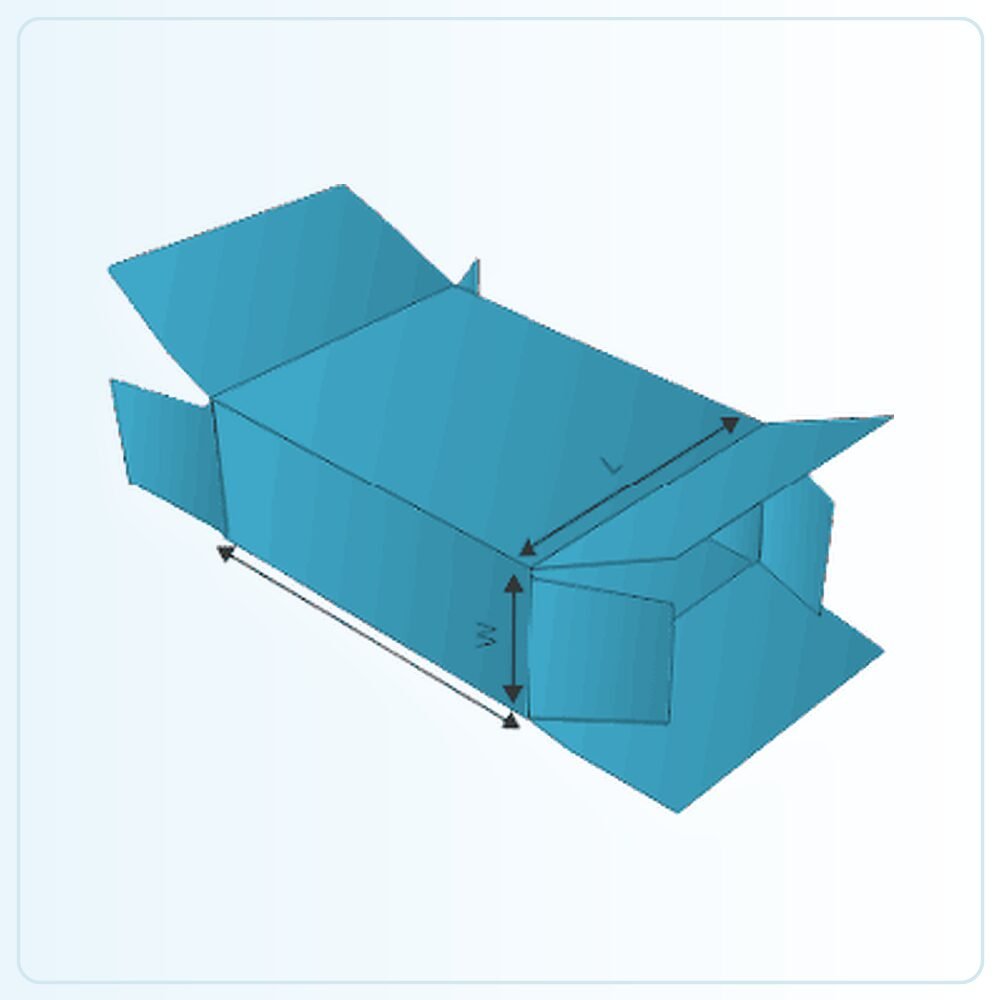
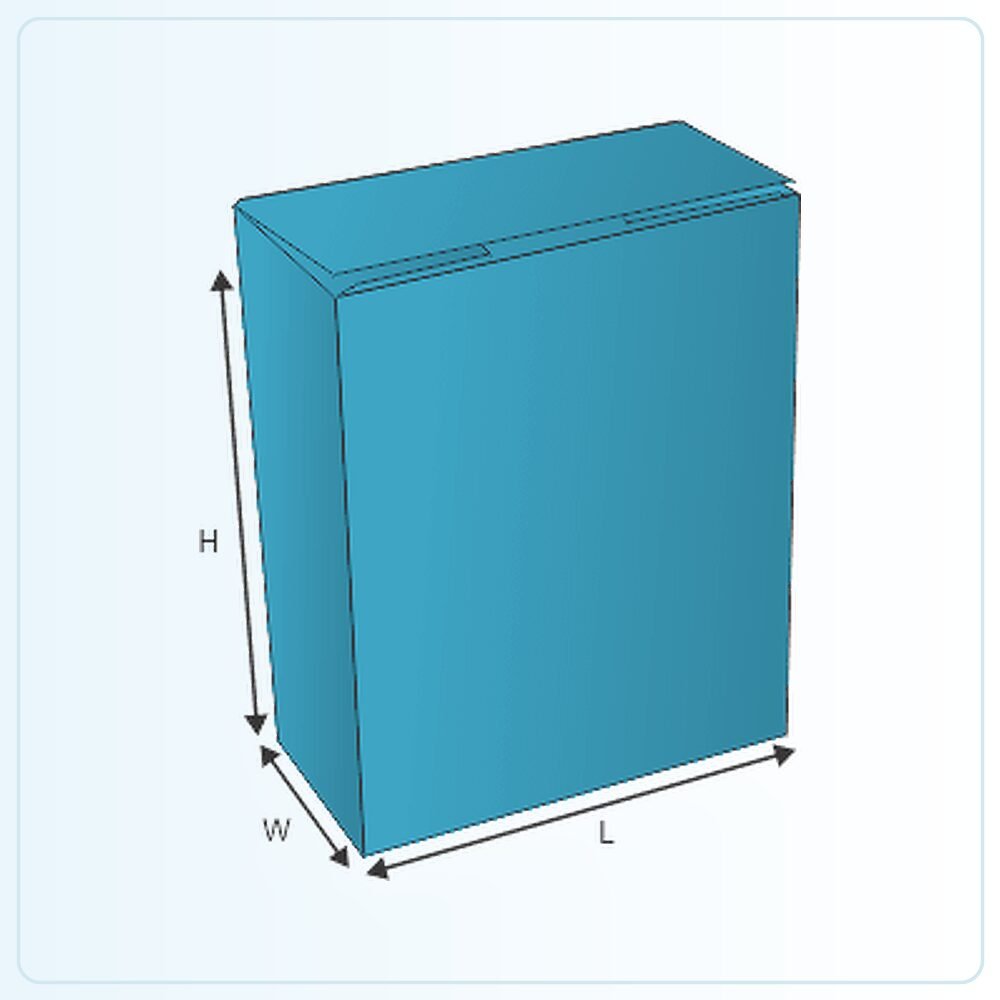
The illustration is a starting point for a made-to-order pack. It is not a production drawing that should simply be enlarged until your product appears to fit. Share the finished product measurements, packed weight and any inner components so the structure can be assessed at the size you actually need. Mark whether your measurements describe the product, the space inside the box or the outside of an existing pack.
Check the sample, not just the screen
A physical sample is available for £25 delivered. Agree what that sample will represent: the construction, material, printed appearance or a particular combination. A plain structural sample answers different questions from a finished printed example. Fill it with the actual product and include every insert, leaflet, wrapper or accessory that belongs in the final pack.
Ask the person who normally packs your orders to try it. Check the sequence of assembly, how comfortably the item goes in and how the customer removes it. Write down the changes you need before approving the next stage. If the pack will travel through a delivery network, assess the complete parcel rather than judging protection from an empty retail carton.
Get a clear price for the complete job
Orders start from 100 units. Our quoted prices include VAT and doorstep delivery. Usual production and delivery is 6–9 days; confirm the actual schedule for your agreed specification and target date. Tell us your delivery postcode, artwork status and any deadline when requesting a quote.
The useful comparison is the same structure, size, board, printing, finish and quantity. Ask for alternatives if you need to work towards a budget, and have any setup or additional components identified in the written quotation. Send your brief and we can help you settle the practical details before committing to the run.
Compare small confectionery gift boxes, hexagonal presentation cartons, or request a packaging quote for this style.