Start with the food and the way it is contained
A handled food box may carry wrapped items, individual tubs or another food-contact container inside it. Those are different briefs from loose food placed directly against the outer packaging. Tell us exactly what the box holds and which surfaces come into contact with the contents.
Include the finished dimensions of all inner containers, including lids, rims and any projecting labels. A nominal portion size does not describe the physical space needed. Arrange the complete order as it will be packed so the footprint reflects the real combination of food, containers, cutlery and other accessories.
Plan the handle around the filled balance
The handle position and surrounding construction need to suit the load beneath them. A pack with a heavier container at one side may tilt when lifted, even if the handle looks centred on the outside. Consider the internal arrangement before assuming the solution is simply a larger handle opening.
Trial the sample with representative filled containers and all accessories. Check how it hangs, whether the top stays in its intended position and whether the customer's grip is comfortable for the expected use. The board, base, handle and product layout form one carrying system; none should be judged in isolation from the full pack.
Leave room for loading and closing
The usable space must include the path used to insert the contents, not just the area they occupy once inside. A broad tub or projecting lid may catch against a handle panel or upper fold. Check the filling sequence before committing to a footprint that only works when the box is assembled around the product.
Decide the order in which containers and accessories are packed. If a napkin, leaflet or cutlery pack is added last, give it a clear place rather than forcing it into the closure. A repeatable layout can help staff prepare orders consistently and makes the sample trial more representative of a busy service period.
Specify contact, moisture and temperature conditions
Describe whether the food is hot, chilled, ambient, greasy or likely to create moisture within the pack. The material and any inner barrier need confirming for the intended conditions. A carry box does not automatically provide insulation, ventilation, leak resistance or suitability for every food-contact use.
If the pack will be placed in a refrigerator, freezer or heating appliance, state that requirement separately and obtain confirmation for the complete specification. Do not infer it from the appearance of the board or the word food in the product title. The packaging brief should follow your actual food handling process.
Make opening straightforward at the destination
Customers should be able to access the contents without tipping containers or pulling the handle assembly apart unexpectedly. Check how the box opens when set down and whether each item can be lifted in a sensible order. A tightly arranged pack may need a little more access than the minimum footprint suggests.
If several containers must remain upright, assess how their position is maintained while carrying and opening. A divider or support can be discussed where useful, but it needs to fit the real container shapes. The outer box should not be relied on to make an unsuitable inner container leakproof or stable under every handling condition.
Use print to support service as well as branding
The most visible body panel can carry the brand, while another clear area can be reserved for an order label or required information. Check that the handle, top folds and closing label do not cover essential wording. A large screen proof can hide practical readability problems on a small panel, so review the design at actual size.
For different meal or product combinations, make the correct pack easy for staff to identify. Keep artwork and size references clear if multiple versions are stored together. If the box is also dispatched beyond local handover, describe the delivery arrangement separately so the material, closure and any outer protection are assessed for that journey.
Confirm the intended holding time and serving conditions when discussing the complete food packaging arrangement.
Turn the template into your own specification
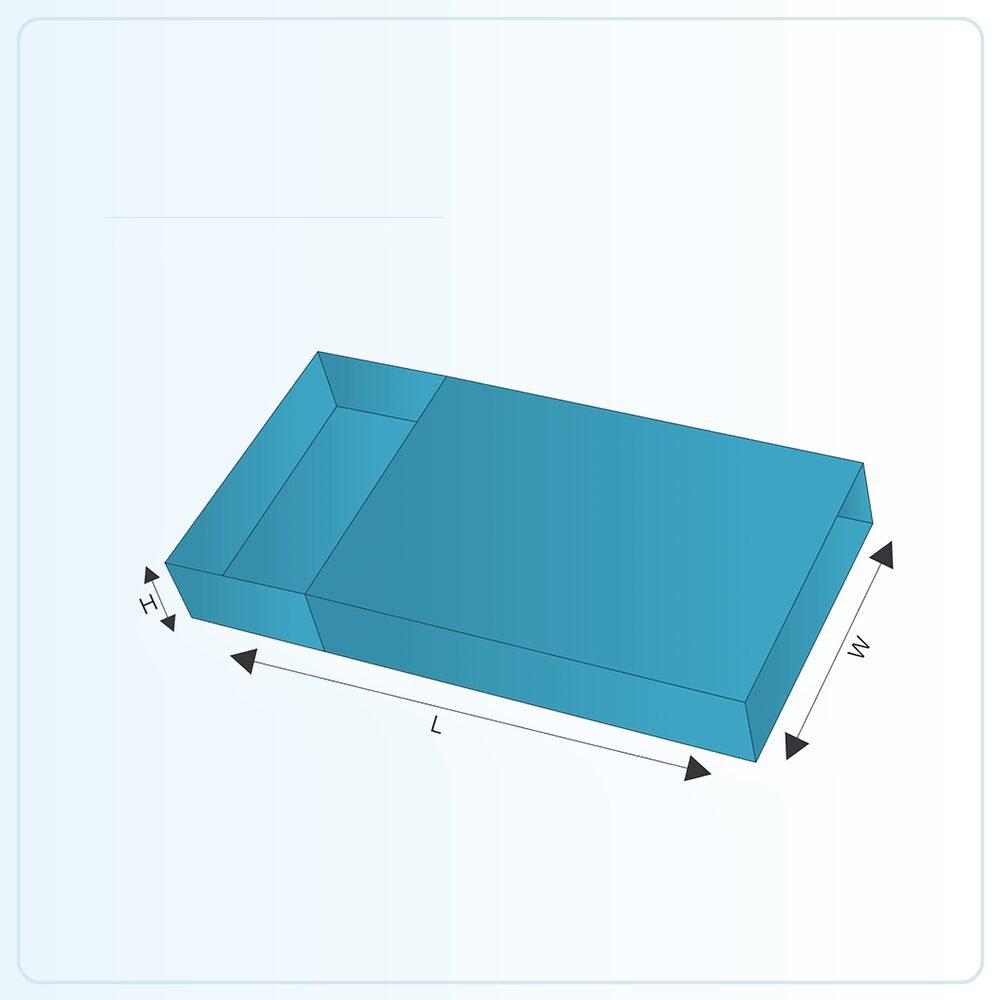
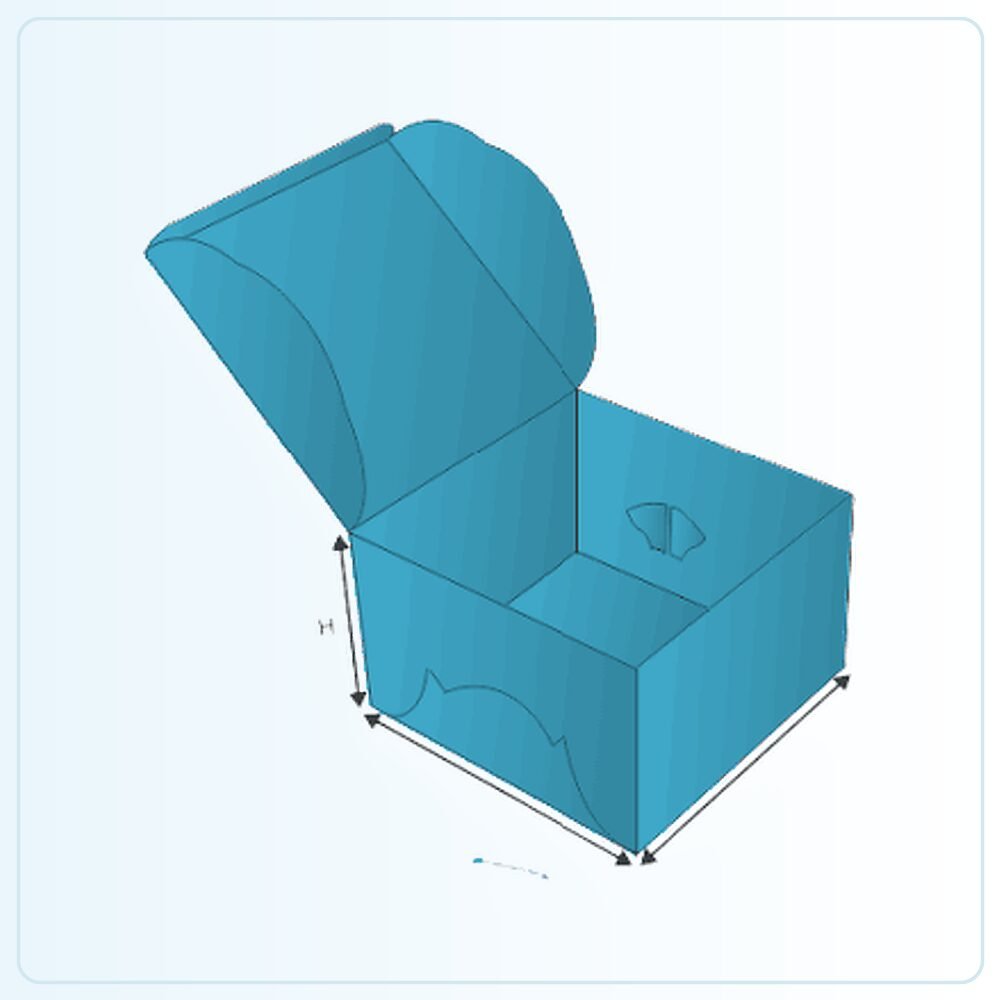
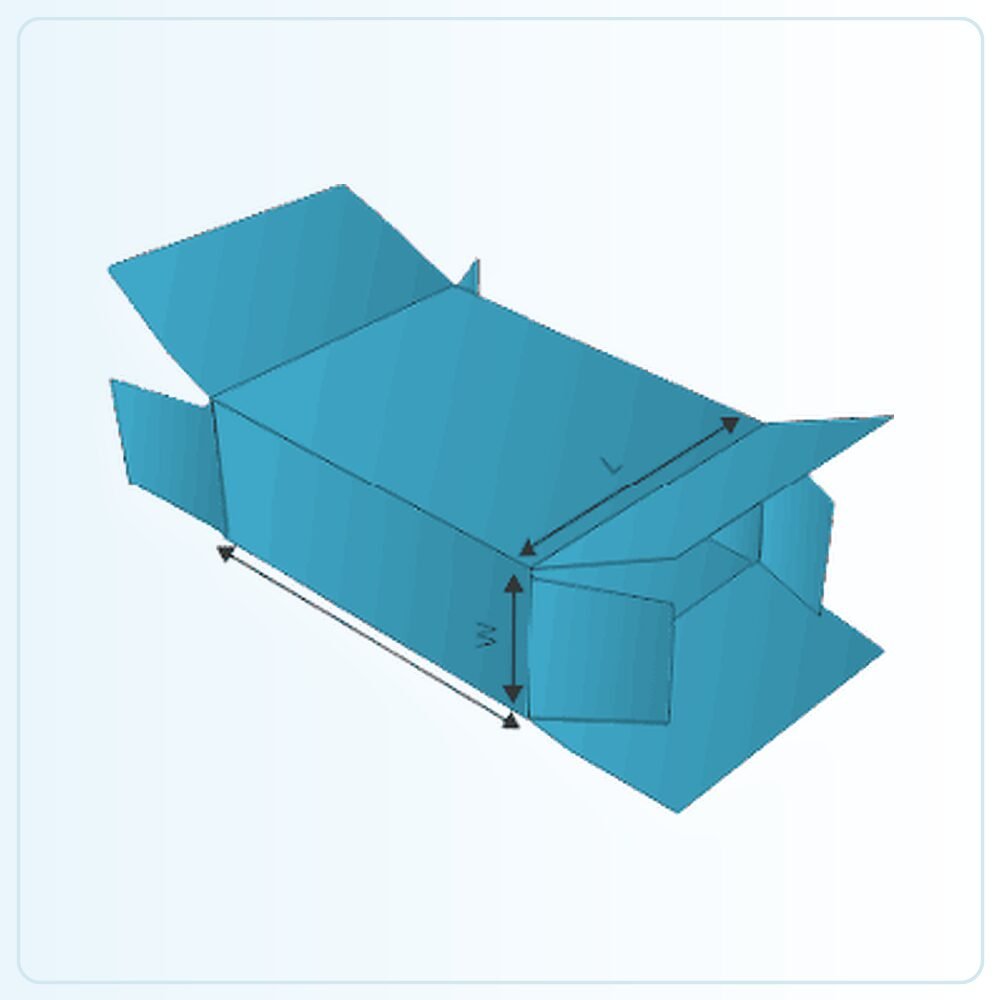
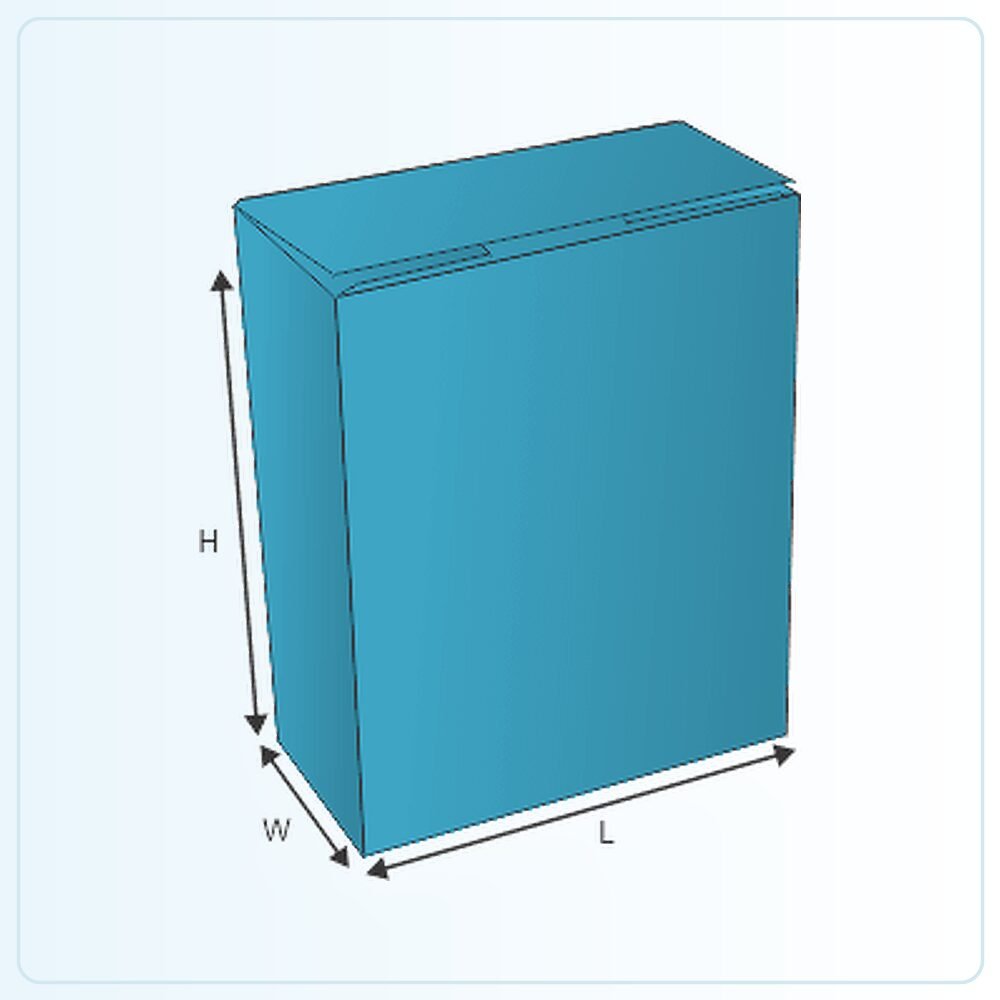
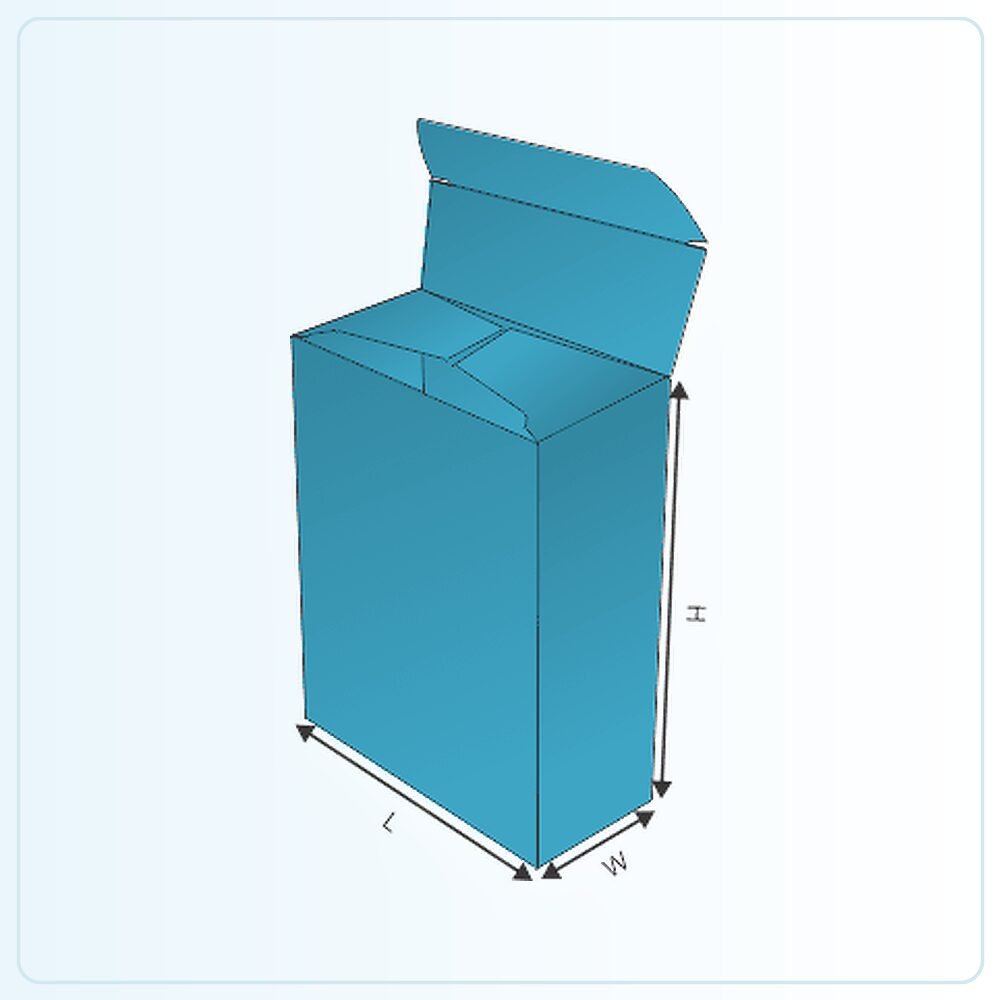
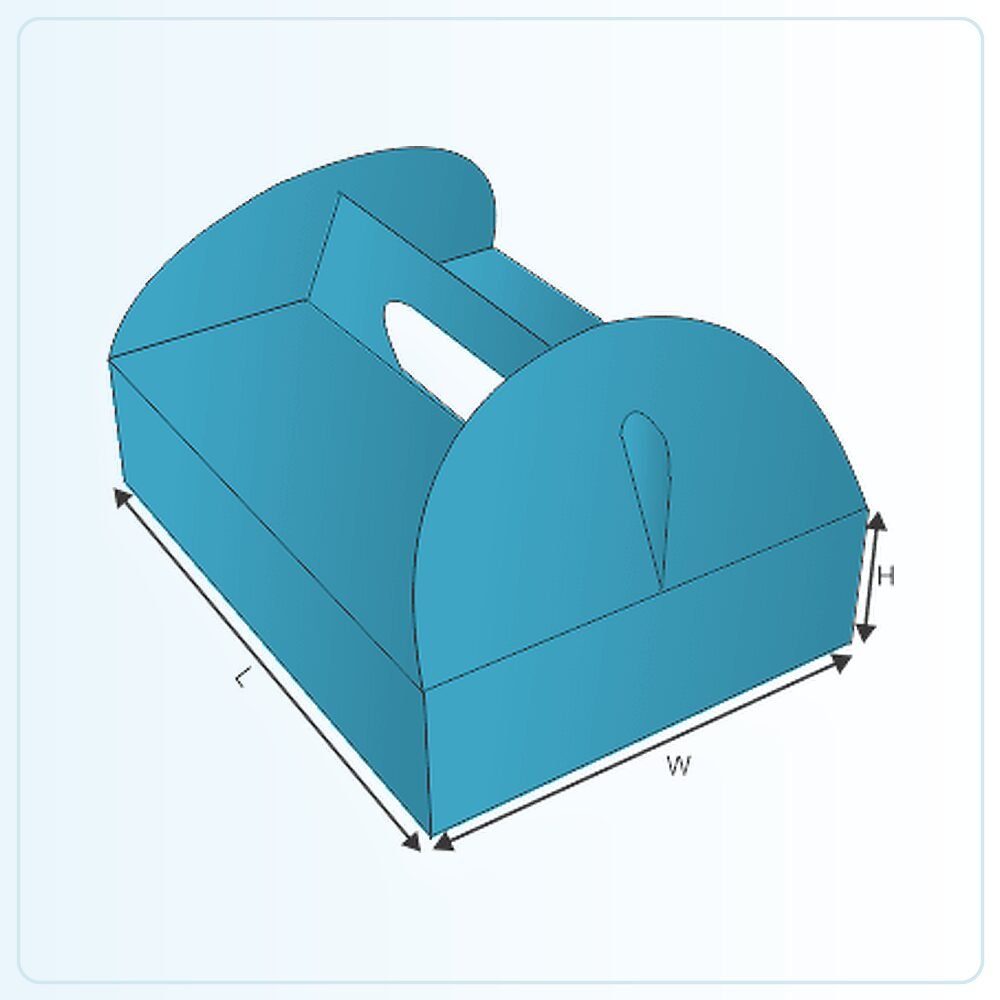
The illustration is a starting point for a made-to-order pack. It is not a production drawing that should simply be enlarged until your product appears to fit. Share the finished product measurements, packed weight and any inner components so the structure can be assessed at the size you actually need. Mark whether your measurements describe the product, the space inside the box or the outside of an existing pack.
Check the sample, not just the screen
A physical sample is available for £25 delivered. Agree what that sample will represent: the construction, material, printed appearance or a particular combination. A plain structural sample answers different questions from a finished printed example. Fill it with the actual product and include every insert, leaflet, wrapper or accessory that belongs in the final pack.
Ask the person who normally packs your orders to try it. Check the sequence of assembly, how comfortably the item goes in and how the customer removes it. Write down the changes you need before approving the next stage. If the pack will travel through a delivery network, assess the complete parcel rather than judging protection from an empty retail carton.
Get a clear price for the complete job
Orders start from 100 units. Our quoted prices include VAT and doorstep delivery. Usual production and delivery is 6–9 days; confirm the actual schedule for your agreed specification and target date. Tell us your delivery postcode, artwork status and any deadline when requesting a quote.
The useful comparison is the same structure, size, board, printing, finish and quantity. Ask for alternatives if you need to work towards a budget, and have any setup or additional components identified in the written quotation. Send your brief and we can help you settle the practical details before committing to the run.
Compare auto bottom gable carry packs, printed bowl sleeves, or request a packaging quote for this style.