Build the folder around the media you supply
A disk folder is a folded packaging format intended to organise and present a disc or a related media pack. The precise construction may use pockets, another agreed retaining arrangement or space for accompanying printed material. Confirm the proposed drawing rather than assuming the product name includes a particular hub, sleeve or number of compartments.
Start with the actual contents. A single disc with a thin insert is a different brief from several discs and a substantial booklet. State the disc format, quantity and dimensions, and include any existing protective sleeve. Do not assume this template is suitable for a vinyl record or another larger format without a separate size and structure review.
Allow space for the booklet and closing folds
Measure the complete stack of contents and decide where each part belongs. A booklet can add enough thickness to change the spine allowance and closing behaviour. The folder should close comfortably when fully loaded, without relying on pressure to flatten the contents. Check the final printed material rather than an early paper dummy if its thickness changes.
Consider the insertion route as well as the finished fit. A pocket opening may need room for fingers and for the item to slide into place without catching an edge. If the disc and booklet share a space, test how they interact. Separate locations can be discussed where the arrangement needs clearer access or identification.
Agree how the disc will be retained
The retaining method should suit the media and expected handling. Ask which surfaces will contact the disc and how it is removed. A cardboard folder should not be described as scratch-proof simply because it encloses the item. Review the actual contact points and any protective component required for your chosen arrangement.
Trial loading and removal with the finished contents. The user should be able to grip and release the disc without forcing it against a tight opening or pulling the folder apart. For more than one disc, check whether removing one disturbs the others. Keep the sequence simple enough for the recipient to understand without a lengthy explanation.
Give the outside a clear identity
Use the front to identify the project, collection or release, with a readable title and a purposeful image or graphic. On a compact pack, clear hierarchy is more useful than squeezing every detail onto the cover. Plan the supporting information across the remaining surfaces so the customer knows what is included before opening it.
For software, training materials or creative releases, make the edition or version easy to distinguish. The packaging artwork must match the media supplied inside. If a barcode is required, reserve a suitable area and review it at the actual printed size, away from folds and cuts. Use your approved product information rather than asking the printer to infer technical details.
Make the inside work with the opening sequence
Identify which panel is seen first and where the recipient will place their fingers. Printed instructions should remain readable when the relevant pocket or compartment is open. Avoid putting essential information beneath a component that the user may not remove. An interior can feel considered with a simple layout and a well-placed introduction.
Check all panel orientations on a folded proof. A folder drawing can place adjacent surfaces in directions that are not obvious on screen, particularly where a pocket folds back over another panel. Confirm any printed interior surfaces and their cost in the quotation. A plain structural sample will not demonstrate the final colour or print alignment.
Plan handling beyond the first presentation
Explain whether the folder will be handed over, displayed, stored in a collection or sent through the post. Each use affects the brief. A lightweight presentation folder may need an outer mailing arrangement to protect it from bending and movement. Assess the complete parcel with the contents inside rather than relying on the appearance of an empty folder.
Keep the approved media count, booklet specification and artwork version together for repeat orders. A thicker booklet or an additional disc can affect a previously successful fit. If the project has several editions, label the production files and packing references clearly. Confirm the contents for each edition before ordering a shared structure or changing the printed design.
Turn the template into your own specification
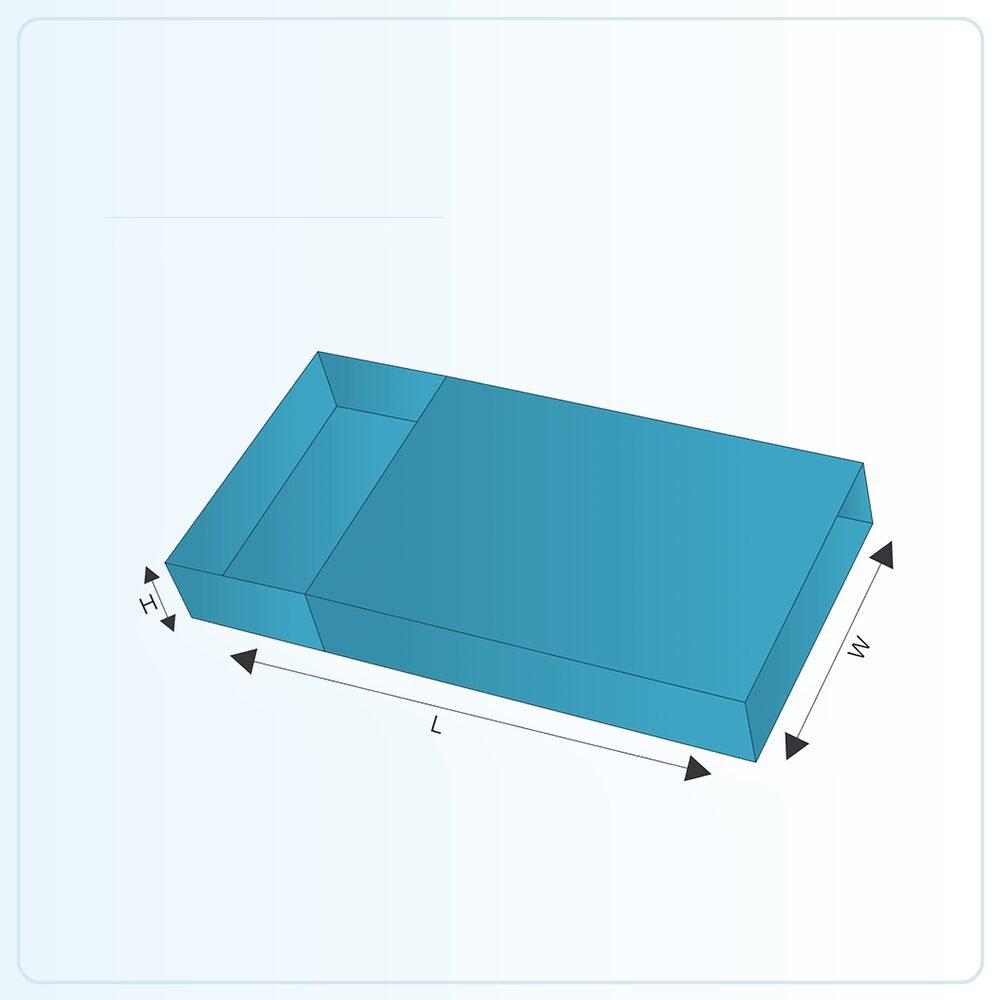
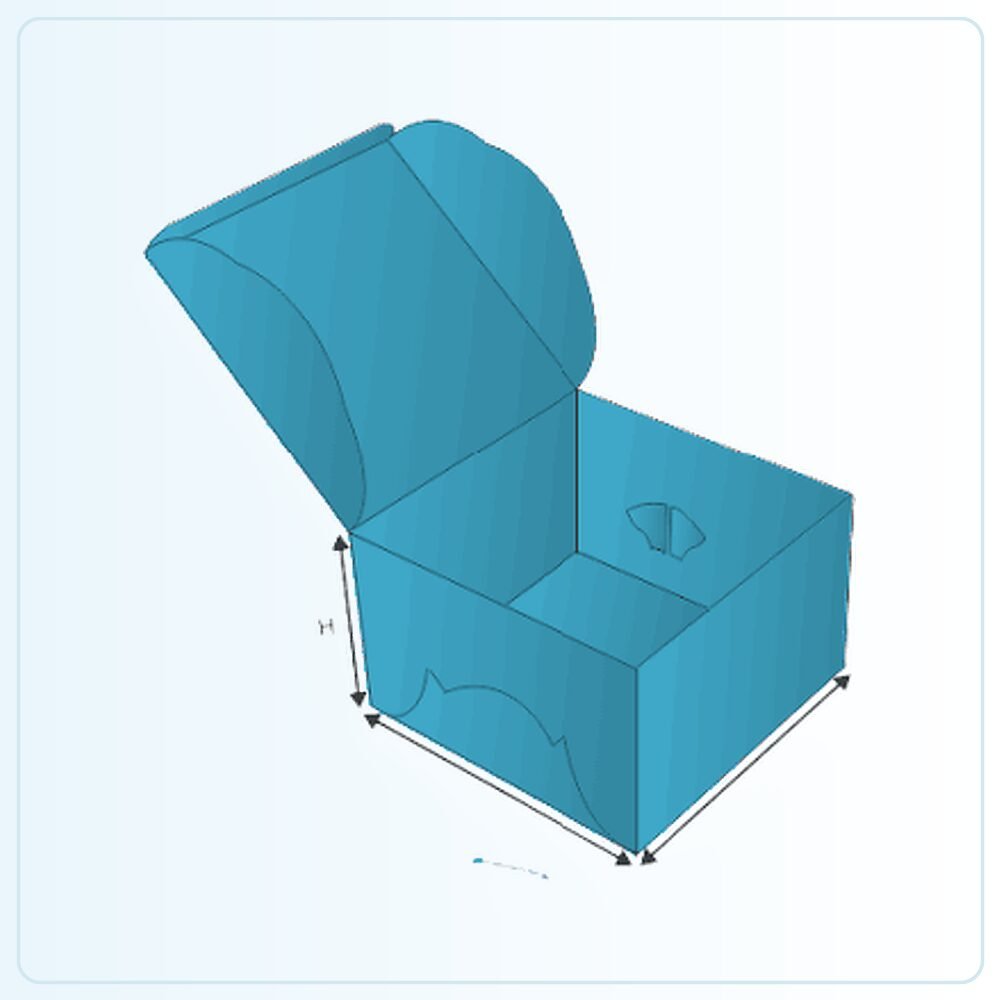
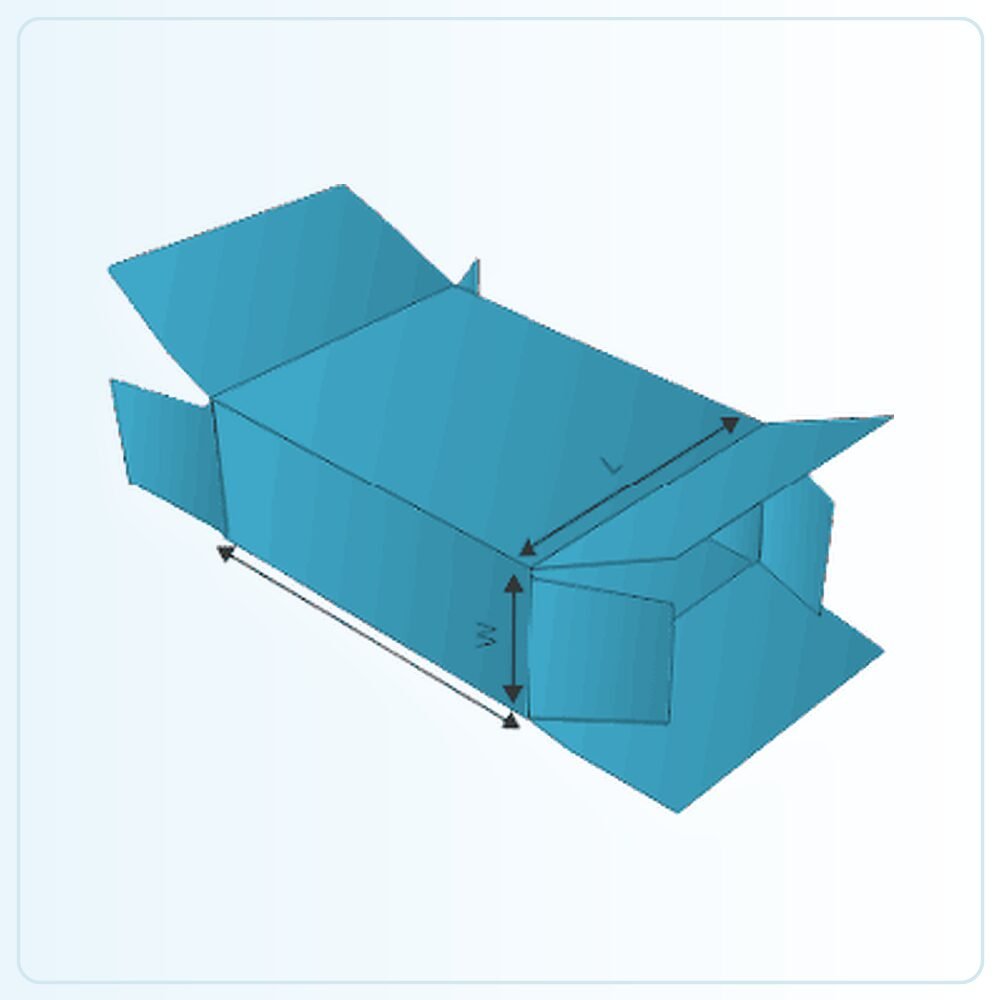
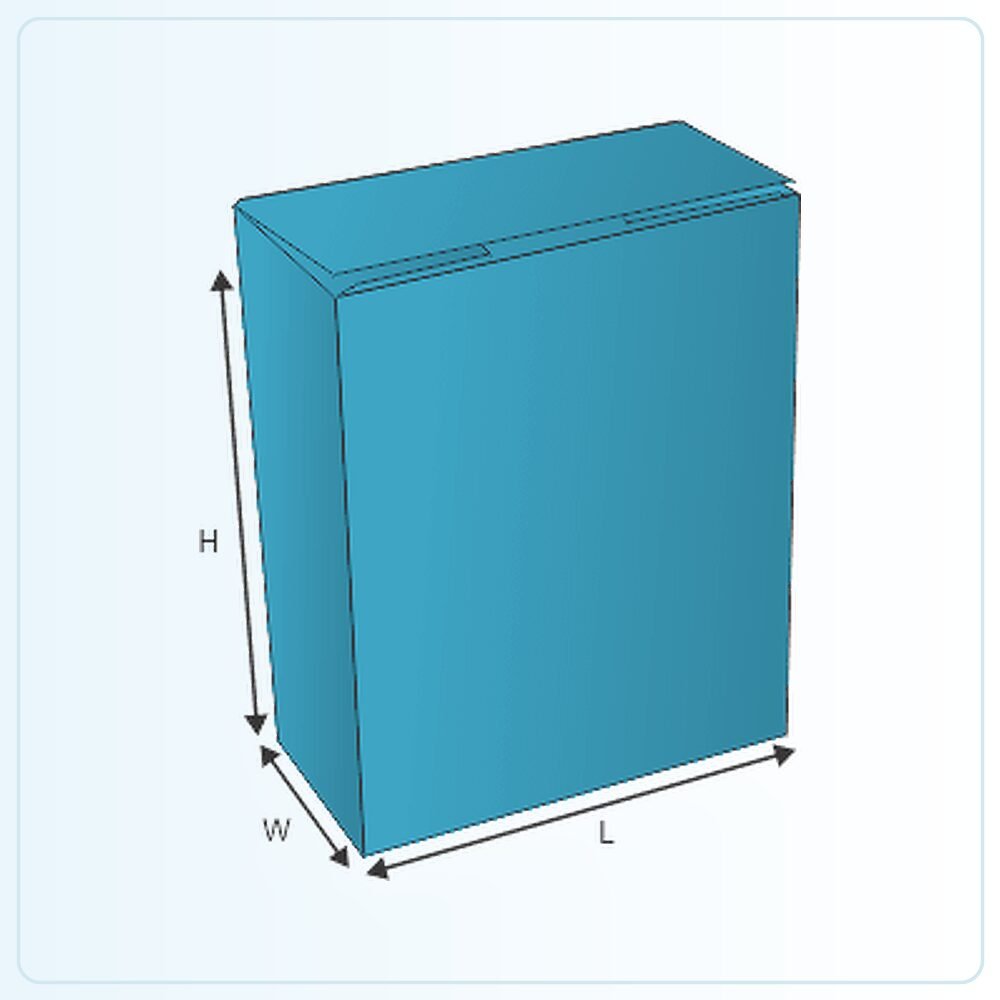
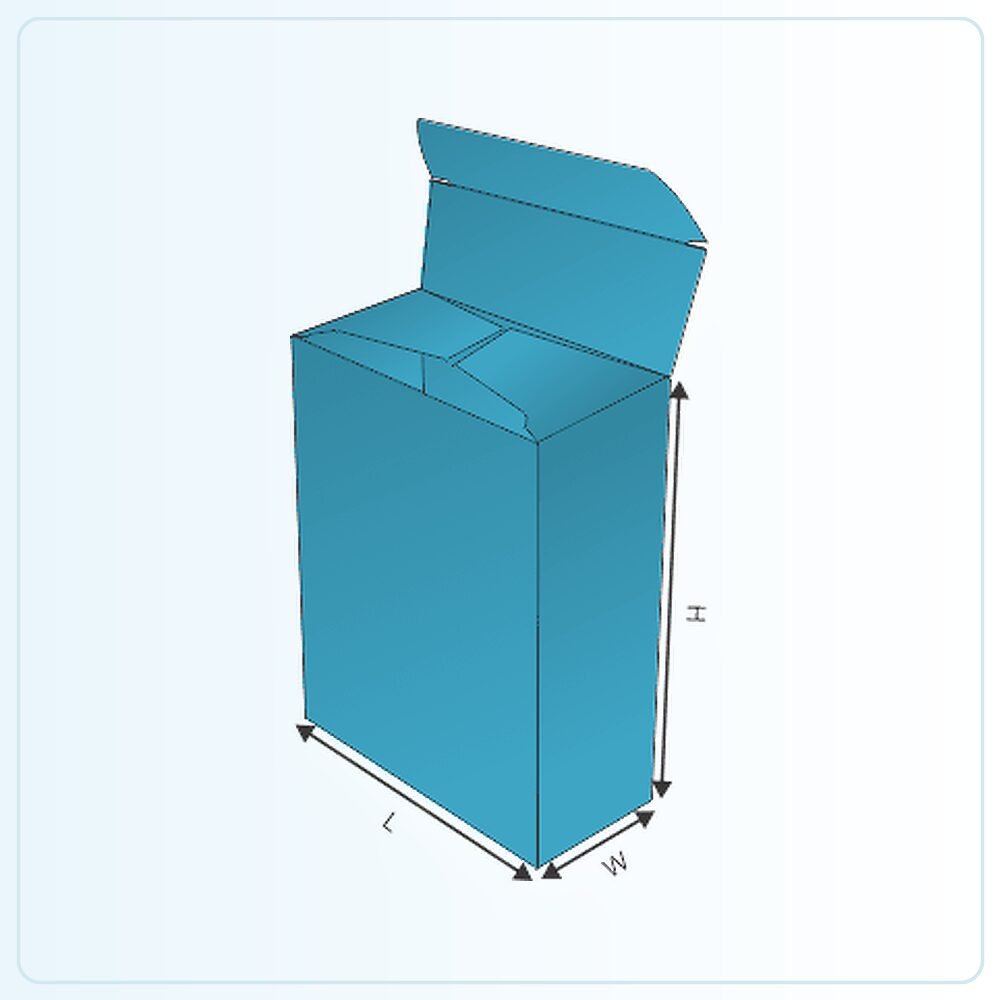
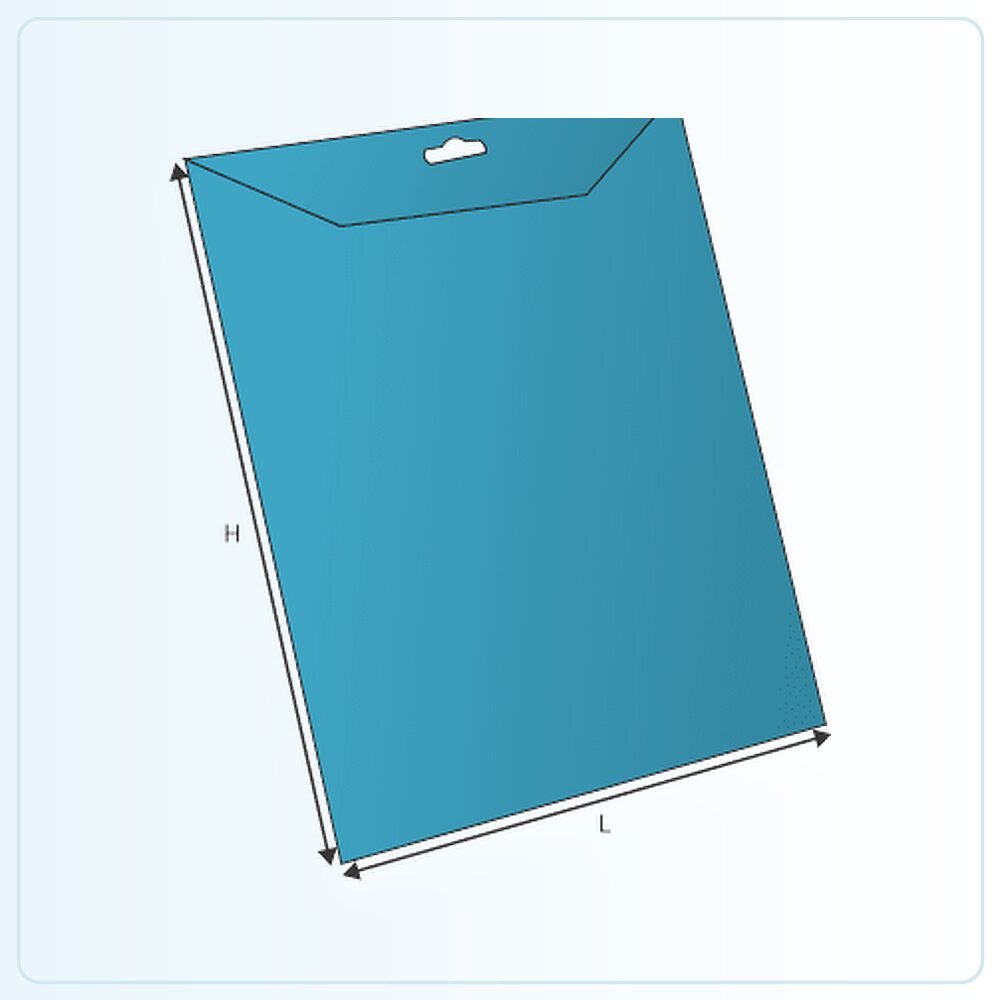
The illustration is a starting point for a made-to-order pack. It is not a production drawing that should simply be enlarged until your product appears to fit. Share the finished product measurements, packed weight and any inner components so the structure can be assessed at the size you actually need. Mark whether your measurements describe the product, the space inside the box or the outside of an existing pack.
Check the sample, not just the screen
A physical sample is available for £25 delivered. Agree what that sample will represent: the construction, material, printed appearance or a particular combination. A plain structural sample answers different questions from a finished printed example. Fill it with the actual product and include every insert, leaflet, wrapper or accessory that belongs in the final pack.
Ask the person who normally packs your orders to try it. Check the sequence of assembly, how comfortably the item goes in and how the customer removes it. Write down the changes you need before approving the next stage. If the pack will travel through a delivery network, assess the complete parcel rather than judging protection from an empty retail carton.
Get a clear price for the complete job
Orders start from 100 units. Our quoted prices include VAT and doorstep delivery. Usual production and delivery is 6–9 days; confirm the actual schedule for your agreed specification and target date. Tell us your delivery postcode, artwork status and any deadline when requesting a quote.
The useful comparison is the same structure, size, board, printing, finish and quantity. Ask for alternatives if you need to work towards a budget, and have any setup or additional components identified in the written quotation. Send your brief and we can help you settle the practical details before committing to the run.
Compare protective outer mailer boxes, book-style presentation packaging, or request a packaging quote for this style.