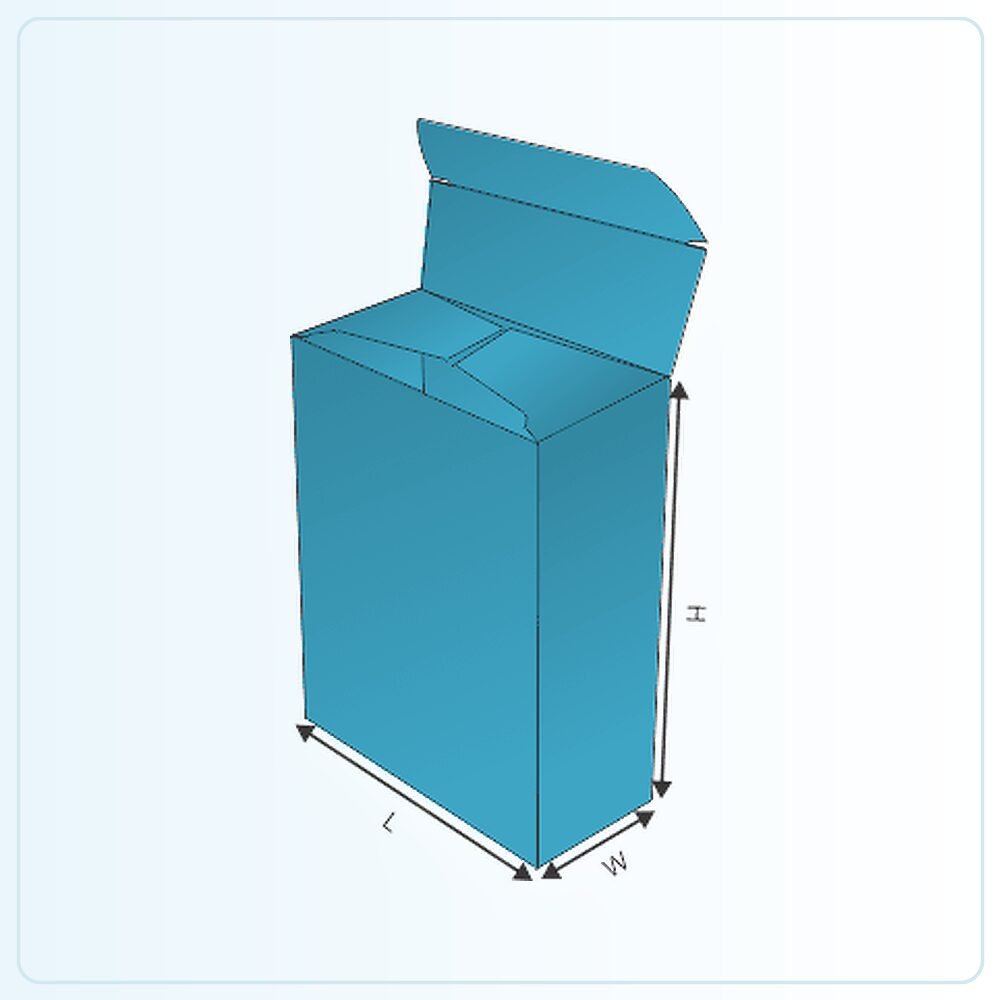
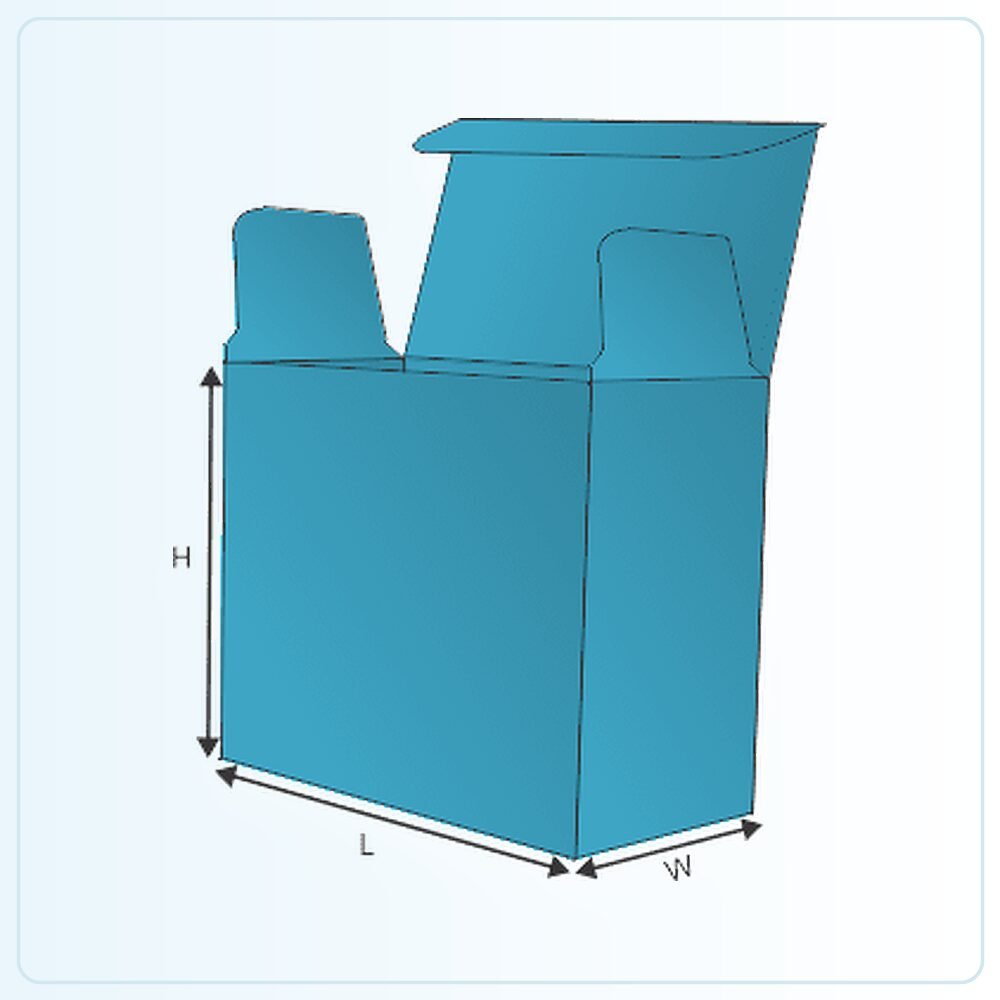
A straightforward carton with opposite-facing tucks
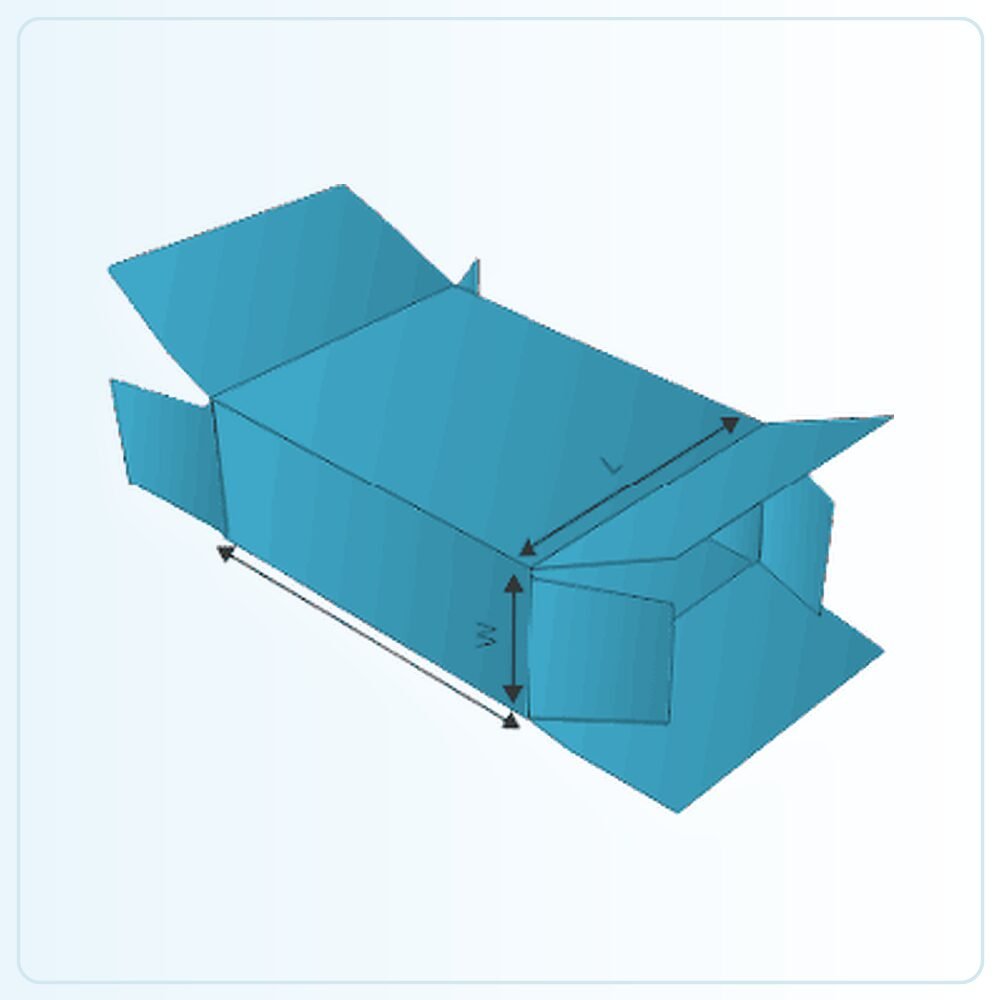
Reverse tuck boxes are folding cartons whose top and bottom tuck closures open from opposite sides of the body. The structure is useful to consider for boxed accessories, personal-care products and other retail items where a rectangular printed pack suits the product. The name describes the closure arrangement; it does not establish a particular board grade or load capacity.
Start by deciding how the customer will encounter the pack. A carton standing on a shelf needs a clear front and a stable footprint. A product placed inside another parcel needs an arrangement that keeps the item from moving into the end flaps. Tell us which use matters most, and we can discuss the size and construction around it.
Make the end closures work with the contents
A tuck flap needs room to seat properly. If a bottle cap, projecting accessory or tightly folded leaflet occupies the closing area, the carton may look full but never close neatly. Check the complete contents, including any wrapper or protective insert, instead of sizing only around the main item.
The way the box is opened also matters. Decide which end is intended for customer access and where the product should be first seen. If an insert must come out before the product can be removed, make that sequence obvious. A simple opening is often more useful than an impressive-looking arrangement that needs several awkward movements.
Choose the size around a realistic packing routine
Measure several examples when your product varies. Handmade items, folded textiles and assembled kits may not have one perfectly repeatable outline. Describe that variation, including any parts that must not be compressed. The packaging can then be discussed with suitable clearance rather than an exact fit that only works for the smallest example.
Try filling the sample in the way your team will work each day. Place the product, add the leaflet, close the intended end and check the finished front panel. If a packer needs to push hard or bend an accessory aside, revisit the specification. Those small difficulties become much more noticeable across a full batch.
Keep printed panels easy to recognise
Use the broad front for the brand and product name, then organise supporting information on the remaining panels. Reverse-facing closures make it especially useful to check which end is uppermost on the finished pack. A design that reads correctly on a flat artwork sheet can still have a logo facing the wrong way once assembled.
Leave essential wording clear of the working folds and closure areas. If the pack needs a retail barcode, reserve a suitable area before adding decorative elements. For a multi-product range, keep the layout recognisable while making each variant easy to identify through wording as well as colour. This helps both shoppers and the people selecting stock.
Compare board and finish without overcomplicating the job
The right material depends on product weight, panel size and the amount of handling expected. A thicker board is not automatically the best answer to every problem; the construction and fit also need to be considered. Explain whether the carton will stand alone in a shop or sit within a larger protective package.
Discuss a plain printed version first if budget is important. A carefully positioned logo and a clear product name can do a great deal without adding several finishes. If you want foil, embossing or another detail, agree its position and suitability for the chosen material. Ask for a sample that answers the question you are actually trying to resolve.
Know when another closure deserves a look
If your product places a demanding load on the base, compare a different bottom construction rather than assuming a tuck flap will suit it. If the final pack needs a sealed end, discuss that requirement explicitly. A tuck closure is not automatically tamper-evident, leakproof or ready to travel unprotected through a parcel network.
Reverse tuck boxes and reverse tuck end boxes are often names for the same general closure family. The approved drawing is the reliable way to compare two quotations. Look at the dimensions, flap arrangement and board specification instead of expecting a different name alone to indicate a stronger or more elaborate carton.
Turn the template into your own specification
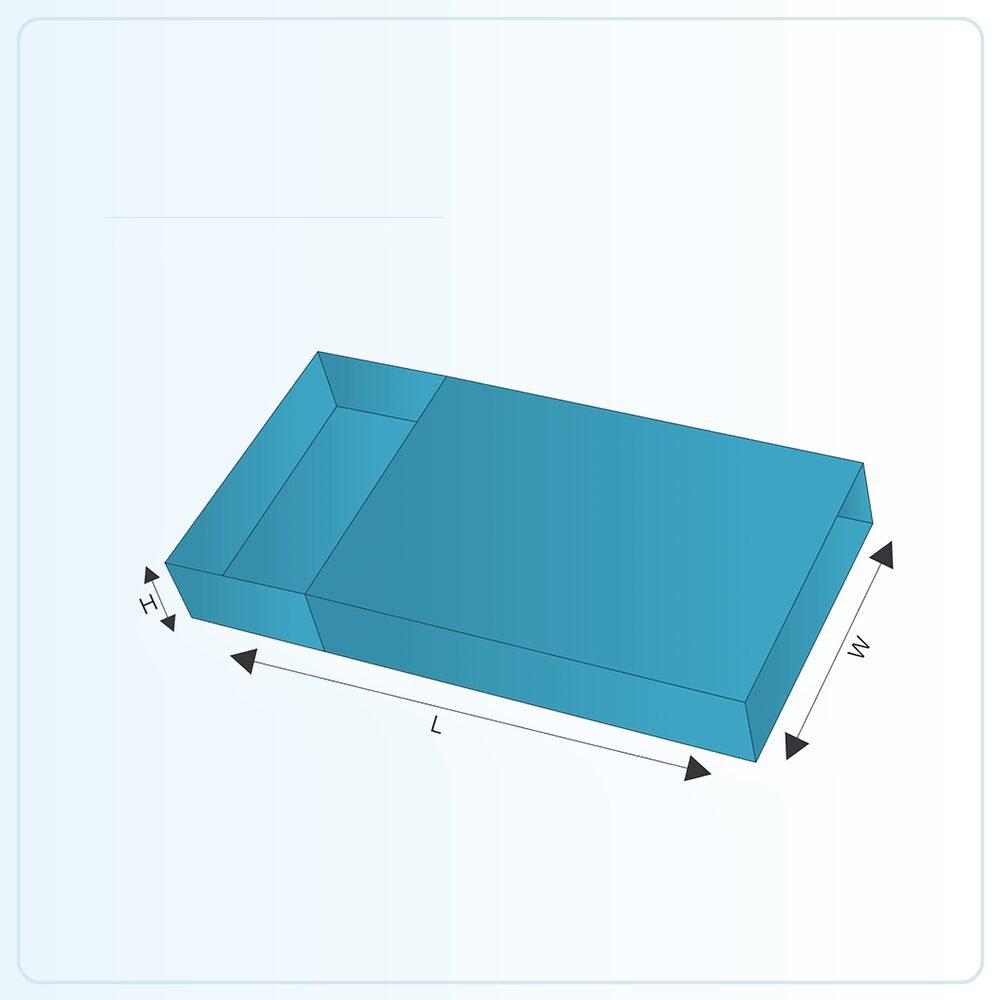
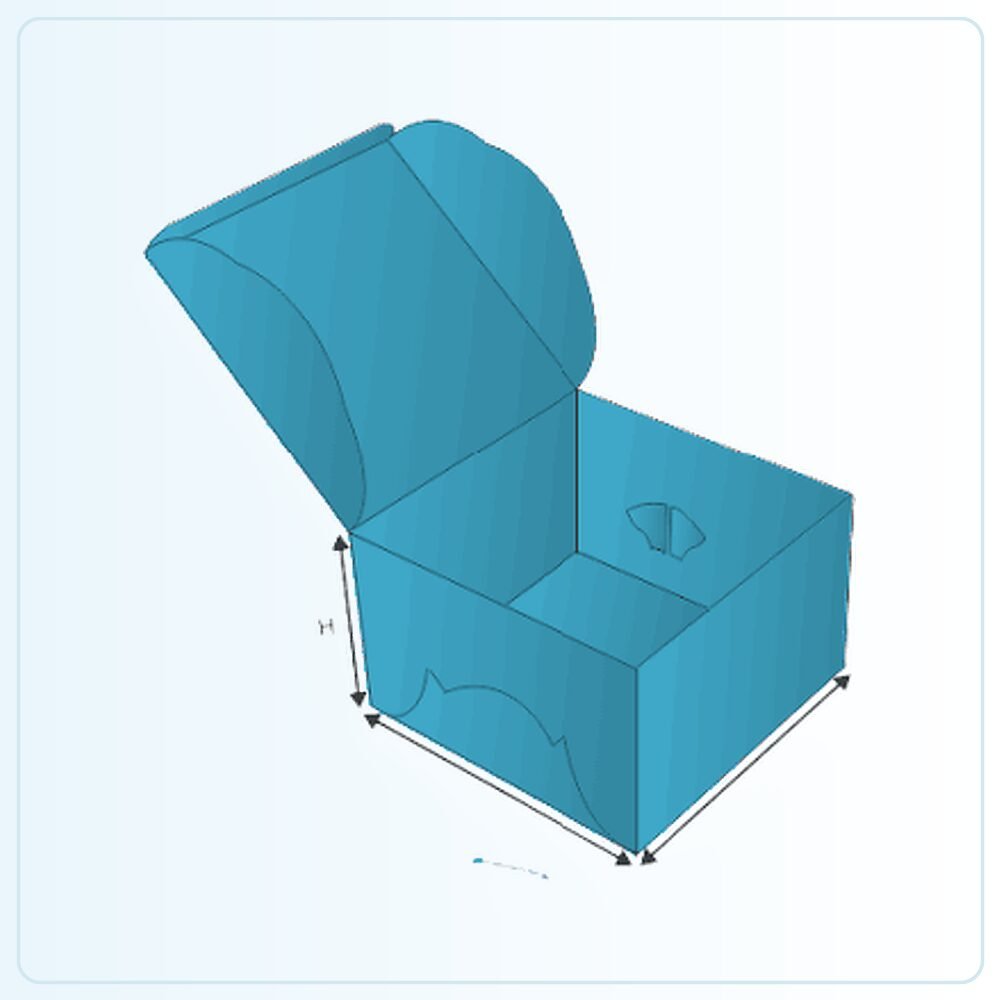
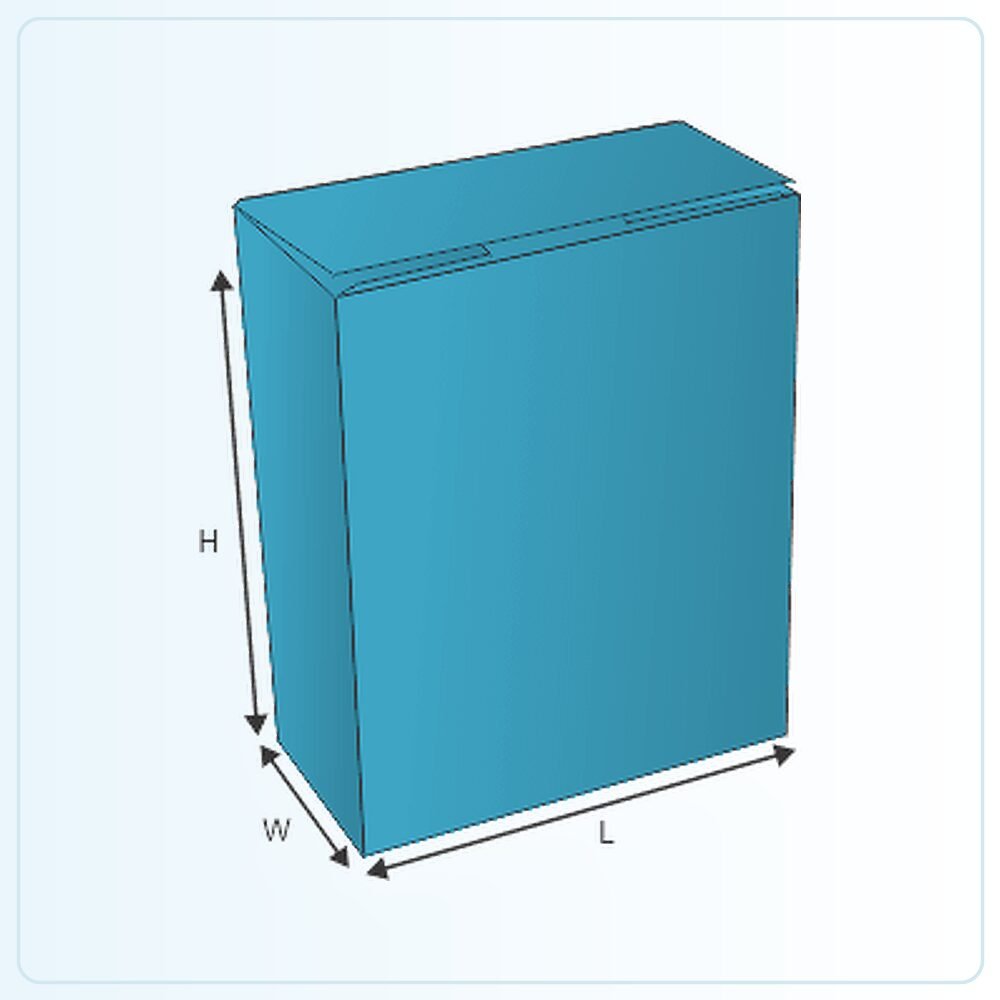
The illustration is a starting point for a made-to-order pack. It is not a production drawing that should simply be enlarged until your product appears to fit. Share the finished product measurements, packed weight and any inner components so the structure can be assessed at the size you actually need. Mark whether your measurements describe the product, the space inside the box or the outside of an existing pack.
Check the sample, not just the screen
A physical sample is available for £25 delivered. Agree what that sample will represent: the construction, material, printed appearance or a particular combination. A plain structural sample answers different questions from a finished printed example. Fill it with the actual product and include every insert, leaflet, wrapper or accessory that belongs in the final pack.
Ask the person who normally packs your orders to try it. Check the sequence of assembly, how comfortably the item goes in and how the customer removes it. Write down the changes you need before approving the next stage. If the pack will travel through a delivery network, assess the complete parcel rather than judging protection from an empty retail carton.
Get a clear price for the complete job
Orders start from 100 units. Our quoted prices include VAT and doorstep delivery. Usual production and delivery is 6–9 days; confirm the actual schedule for your agreed specification and target date. Tell us your delivery postcode, artwork status and any deadline when requesting a quote.
The useful comparison is the same structure, size, board, printing, finish and quantity. Ask for alternatives if you need to work towards a budget, and have any setup or additional components identified in the written quotation. Send your brief and we can help you settle the practical details before committing to the run.
Compare reverse tuck end cartons, 1-2-3 bottom tuck top boxes, or request a packaging quote for this style.