Length is only the first measurement
A long product can have a simple outline but still create an awkward packing problem. The widest section, projecting parts and fragile ends matter alongside overall length. Provide the product in its finished condition, including wrappers, caps and accessories, so the box is designed around what will actually be packed.
Examples worth discussing include elongated retail items, components, rolled products and gift articles with a narrow footprint. The right construction depends on how the item is loaded and supported. A long box is a dimensional description, not a single closure type or a guarantee that one material will suit every slender product.
Choose the loading direction deliberately
Decide whether the item enters through an end or is placed into a wider opening. End loading may suit some products, while another arrangement may be easier for items with delicate projections or a fitted support. Explain your preferred packing method and any difficulty with the current box.
Trial the full insertion path. A product can fit inside the finished cavity yet catch while passing through the opening. Include any bag or protective layer, because loose edges can change how easily the item slides into place. If a packer has to bend the carton or force the product through, review the construction before approving the dimensions.
Prevent movement towards the ends
An elongated item may travel along the length of a box if it is not appropriately located. Describe which parts can bear against a support and which must remain clear. A fragile tip, decorative cap or precision component may need a different arrangement from a robust blunt-ended product.
Consider support along the length as well as at the ends. The product's shape, weight and stiffness determine whether it needs intermediate positioning or another protective component. Test the complete sample with the real item and avoid assuming that a close external fit automatically prevents all internal movement.
Match the board and closure to handling
Long panels and a narrow cross-section can behave differently from a short, compact carton. Share how the pack is stored, lifted and delivered, including whether it is grouped with other items. Ask for the proposed material and closure to be identified in the quotation rather than relying on a broad cardboard description.
If a performance requirement matters, explain it and agree how the complete pack will be assessed. Do not transfer a result from another product or shorter box without review. The outer construction, supports and contents form one arrangement, and changes to any of those parts can affect the practical result.
Use the long print area without losing hierarchy
A long panel provides room for a strong brand line, but it can also tempt a design to spread information too thinly. Decide where the shopper's eye should land first and keep the product name easy to recognise. Use supporting panels for details rather than making the main message stretch across every face.
Check how the box is stored and displayed. If only an end is visible in a stock bin, a clear identifier there may help staff select the right product. If the carton is presented lengthways, consider the reading direction and the position of any closure. Review the assembled pack in its real orientation before approving the artwork.
Check the outside dimensions for the next stage
The finished external length and cross-section may affect shelving, outer cartons or the delivery service you use. Confirm those practical constraints before the design is settled. Do not assume that a box fitting the product internally automatically fits your existing dispatch or display arrangement.
For repeat orders, record the complete product and support specification, not just the outer length. A changed cap, accessory or wrapper can affect loading and end clearance. If several products share the same long box, test each configuration so standardisation does not leave shorter items unsupported or make the largest version difficult to pack.
Turn the template into your own specification
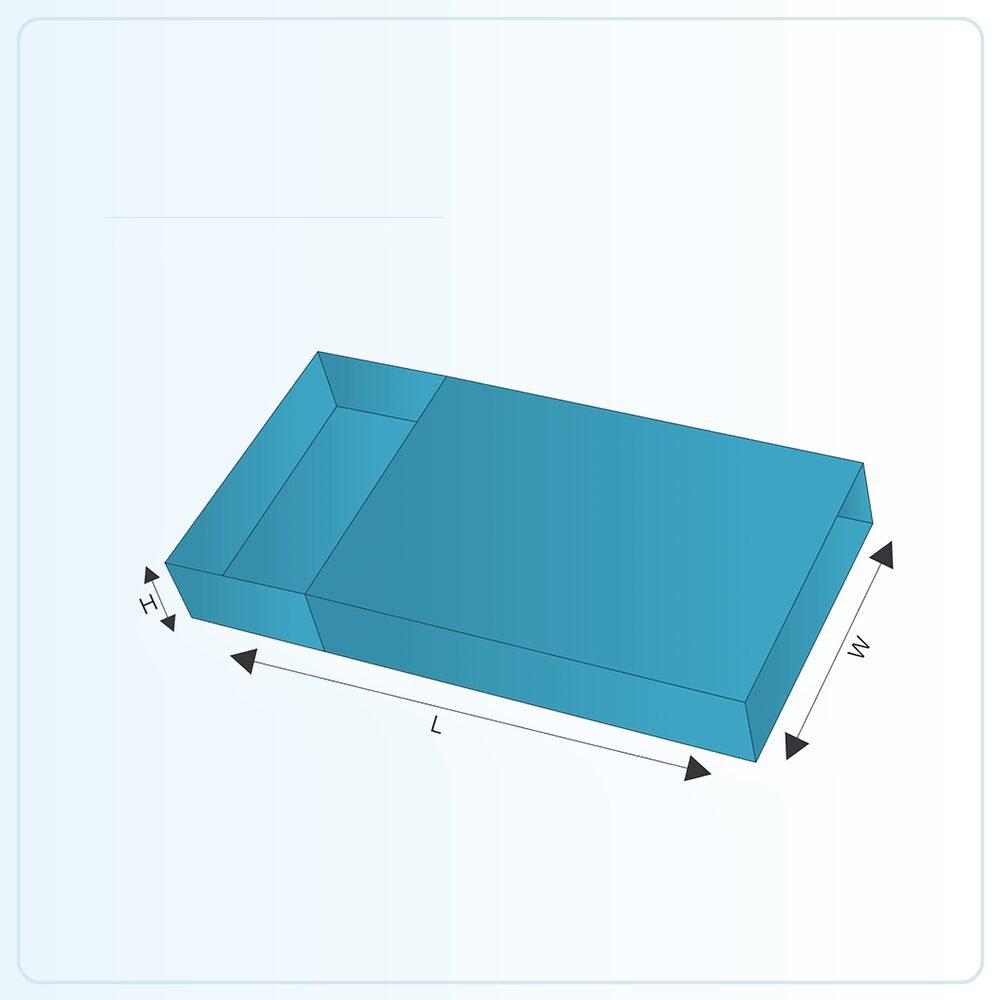
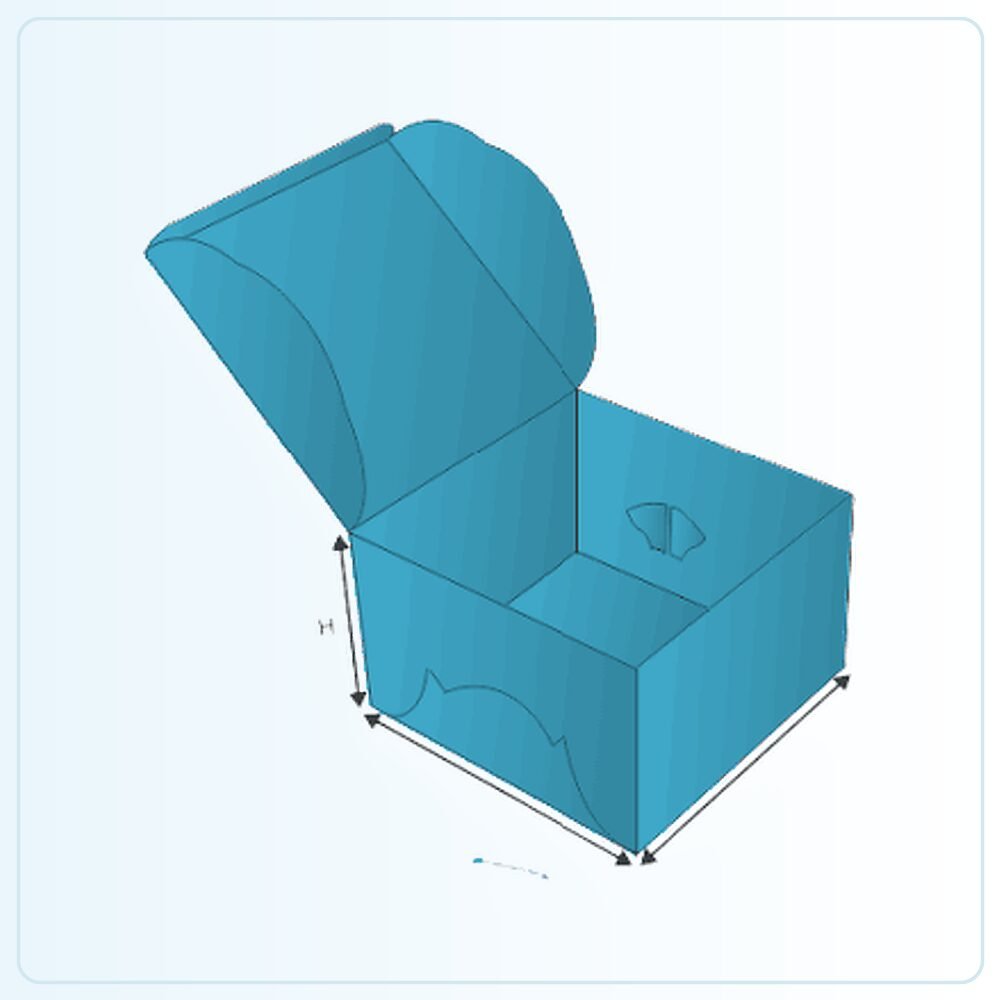
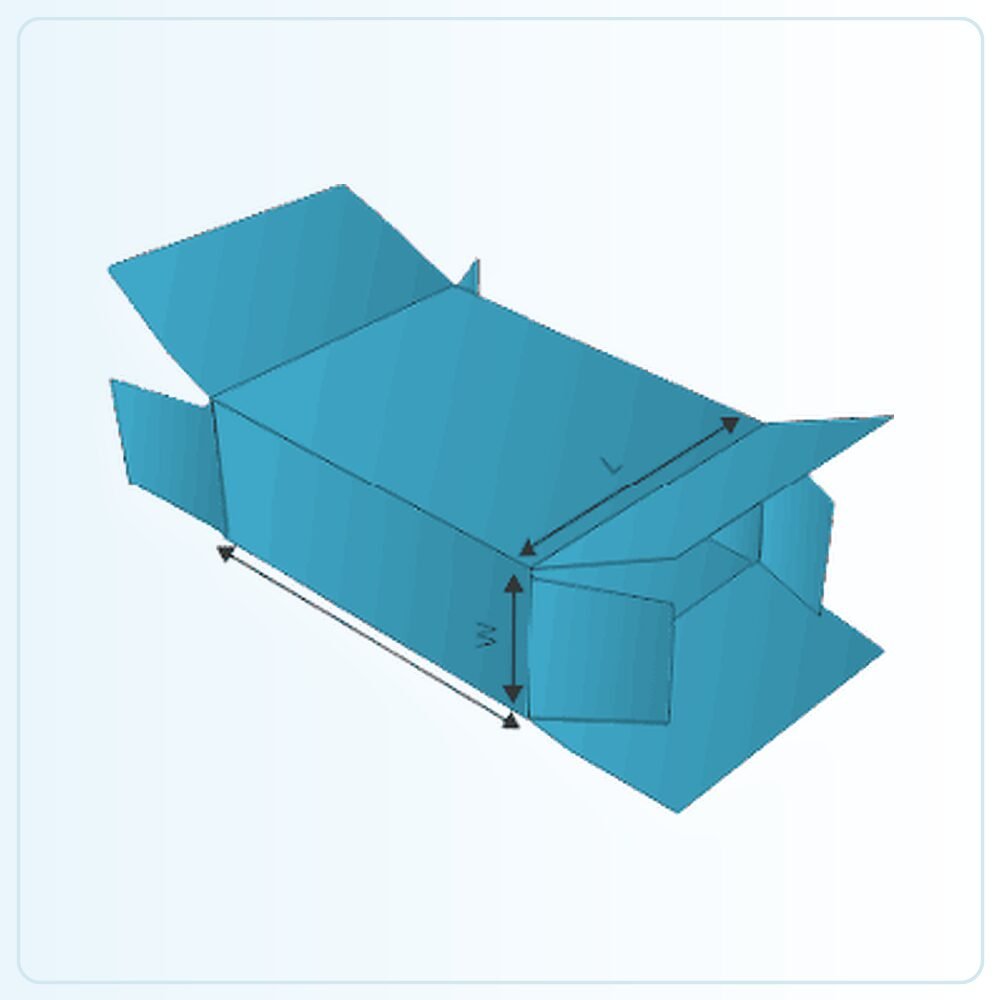
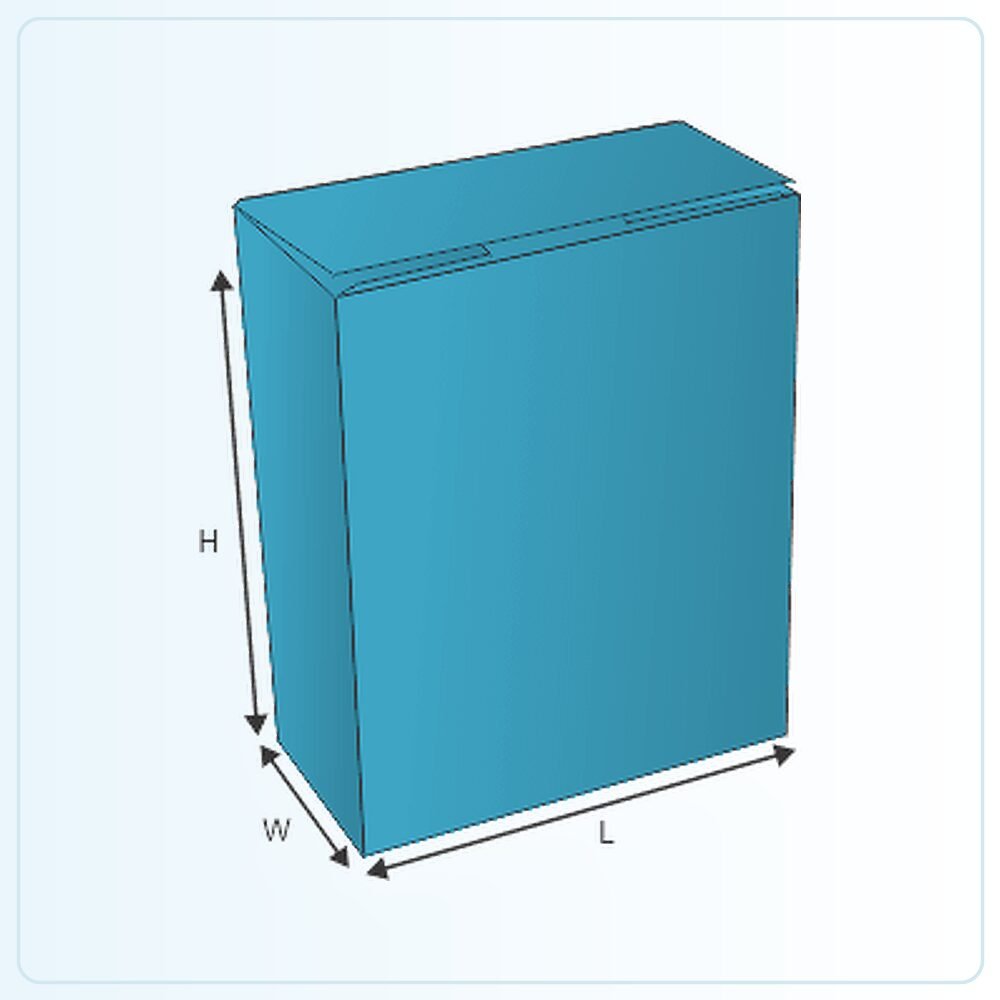
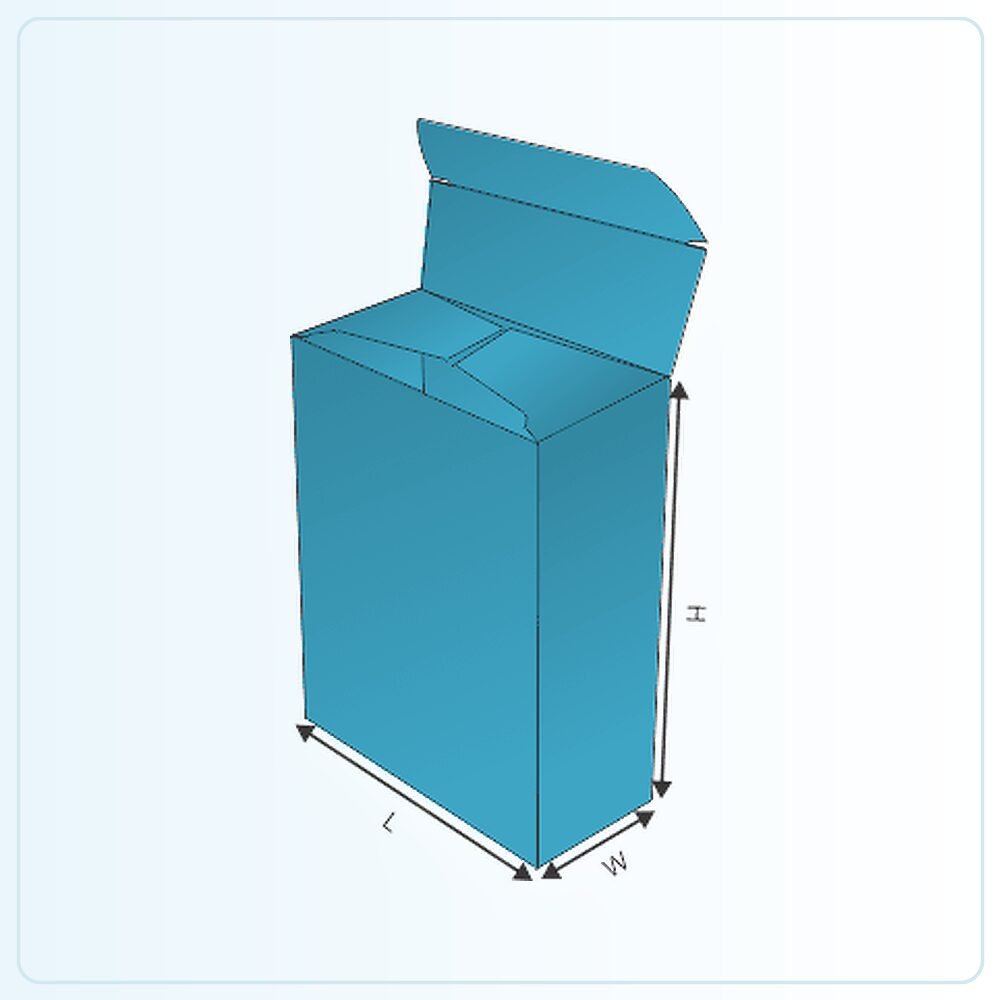
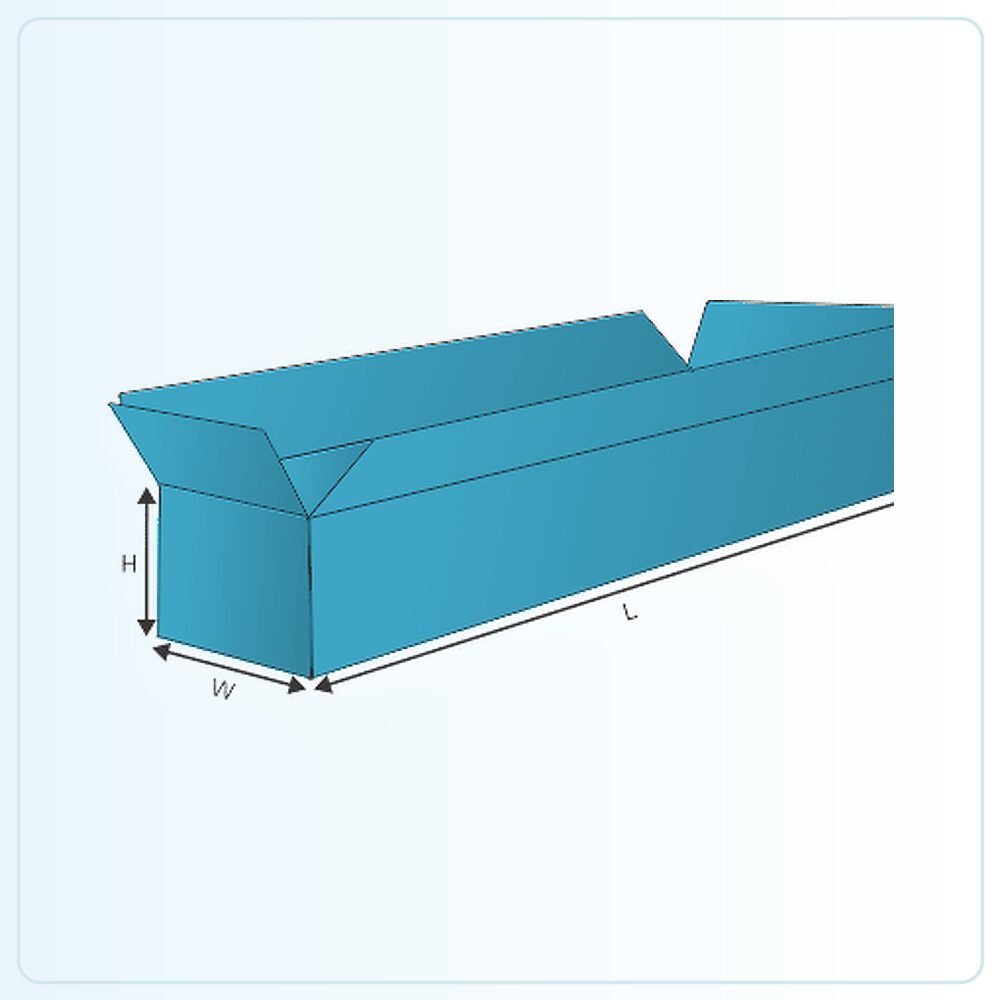
The illustration is a starting point for a made-to-order pack. It is not a production drawing that should simply be enlarged until your product appears to fit. Share the finished product measurements, packed weight and any inner components so the structure can be assessed at the size you actually need. Mark whether your measurements describe the product, the space inside the box or the outside of an existing pack.
Check the sample, not just the screen
A physical sample is available for £25 delivered. Agree what that sample will represent: the construction, material, printed appearance or a particular combination. A plain structural sample answers different questions from a finished printed example. Fill it with the actual product and include every insert, leaflet, wrapper or accessory that belongs in the final pack.
Ask the person who normally packs your orders to try it. Check the sequence of assembly, how comfortably the item goes in and how the customer removes it. Write down the changes you need before approving the next stage. If the pack will travel through a delivery network, assess the complete parcel rather than judging protection from an empty retail carton.
Get a clear price for the complete job
Orders start from 100 units. Our quoted prices include VAT and doorstep delivery. Usual production and delivery is 6–9 days; confirm the actual schedule for your agreed specification and target date. Tell us your delivery postcode, artwork status and any deadline when requesting a quote.
The useful comparison is the same structure, size, board, printing, finish and quantity. Ask for alternatives if you need to work towards a budget, and have any setup or additional components identified in the written quotation. Send your brief and we can help you settle the practical details before committing to the run.
Compare corrugated shipping cartons, internal partition arrangements, or request a packaging quote for this style.