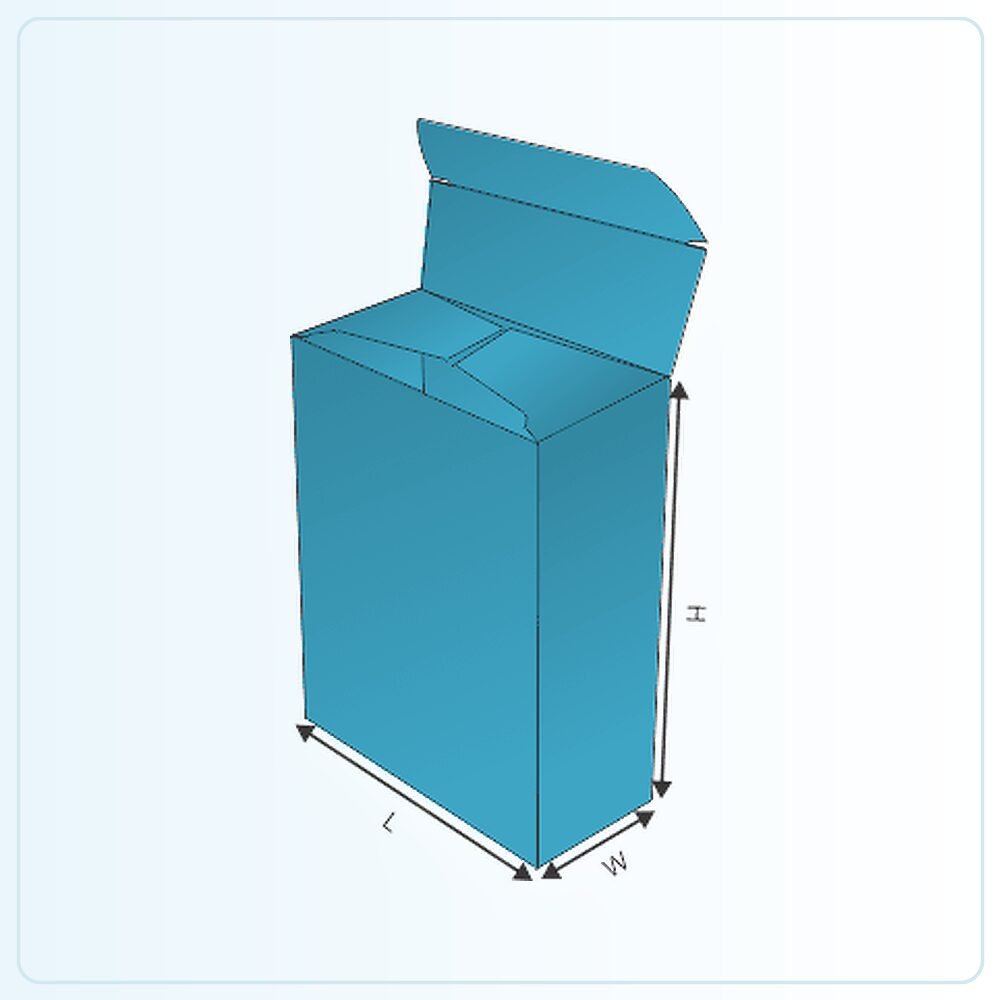
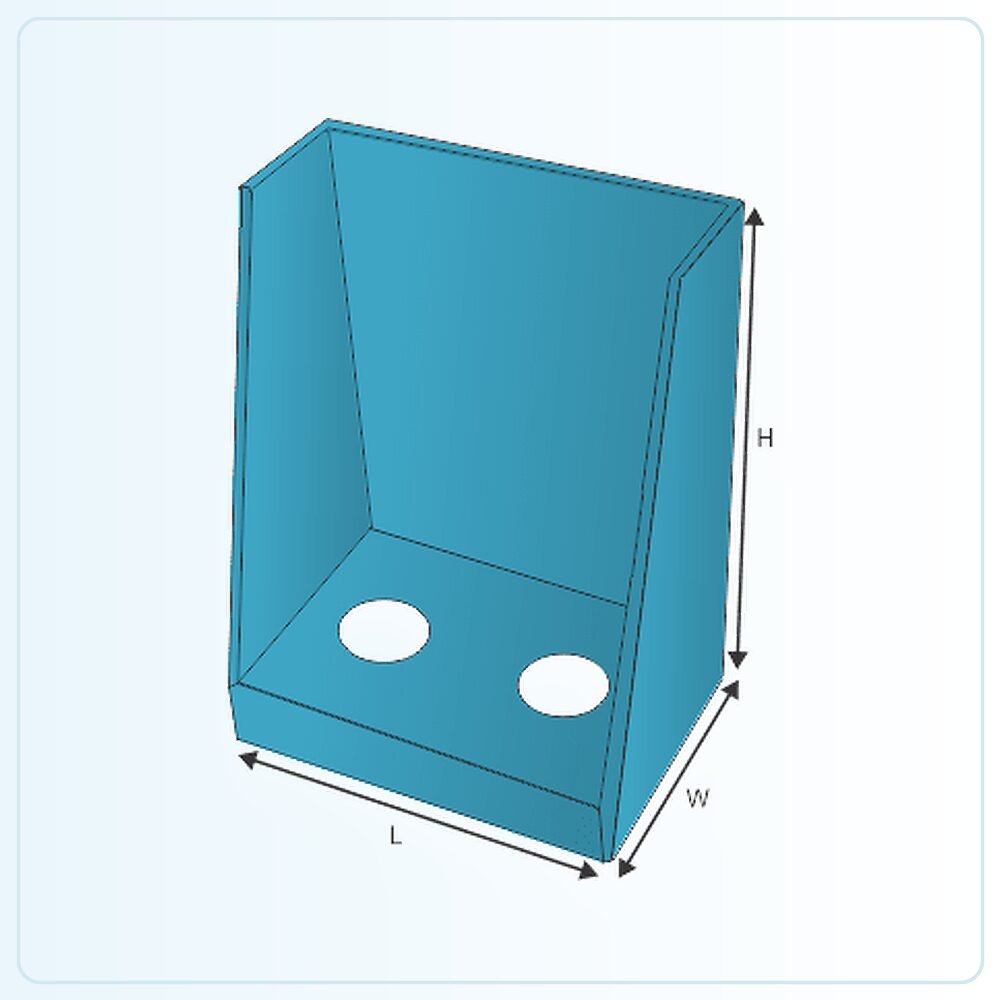
Give each product a purposeful position
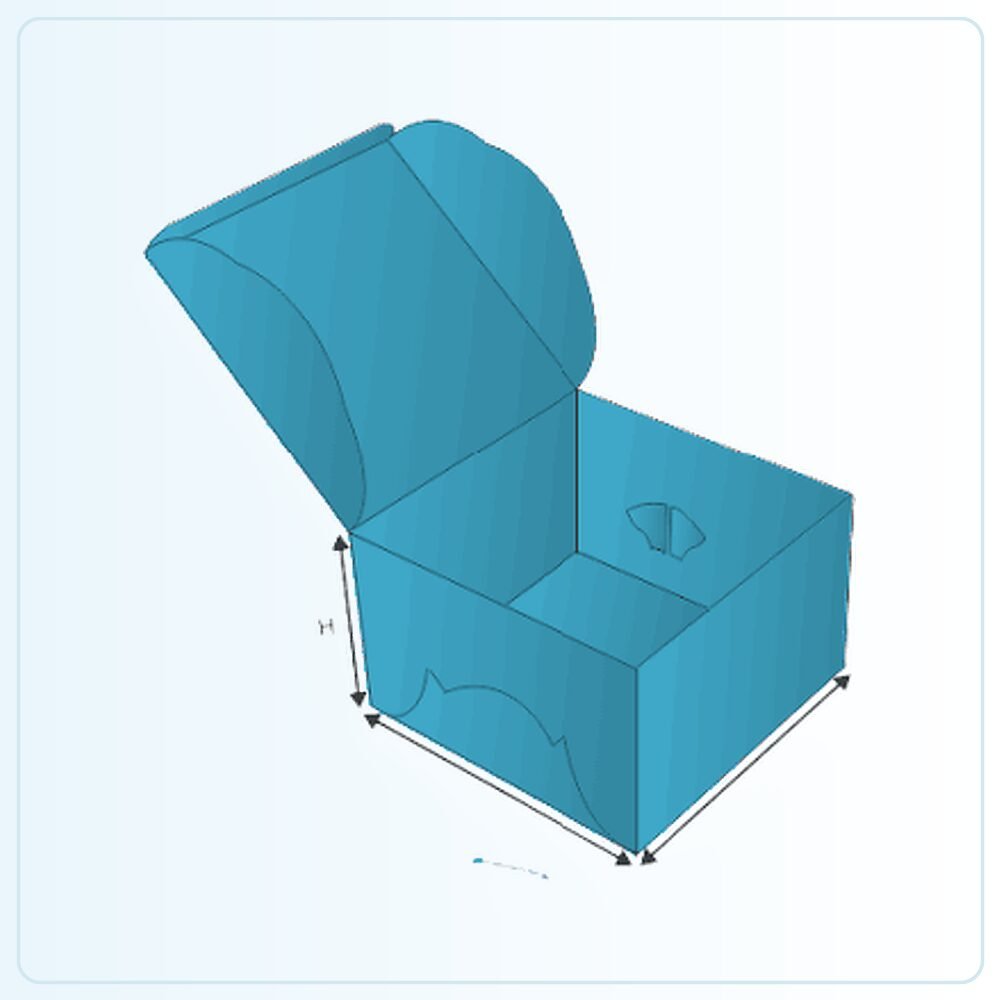
A display box with a punch partition uses a shaped internal arrangement to locate or separate the contents. The exact partition detail should be confirmed on the drawing: an aperture, divider or locating panel can perform a different job. Describe what the product needs to do in the display rather than requesting a generic insert without a layout.
Start with the number of units, their dimensions and the face that should be visible. A bottle, small carton and irregular accessory may need different locating points even when they occupy similar space. The partition should support the presentation without covering the information customers need to choose a product.
Measure the part that passes through or sits in the partition
Where an opening locates the product, its position matters as much as its outline. Measure the relevant section of the item and include labels, seams or caps that could affect insertion. A container may be wider at the shoulder than at the base, so one simple width does not describe every part of the fit.
Check several examples if there is normal variation. The partition should not grip so tightly that packing damages a label or makes removal awkward. It should also avoid leaving the product free to lean away from the intended presentation. Use a sample to establish the useful balance instead of assuming an exact-size aperture will automatically work.
Design for removal and replenishment
Customers need a comfortable way to take one item without disturbing its neighbours. Leave enough access around the intended grip point and check whether the product must be lifted vertically or tilted during removal. A display that looks perfectly ordered can still be frustrating if the first purchase is difficult to extract.
Ask someone to remove and replace units without instructions. Their first attempt can reveal where the layout is unclear. If staff replenish loose stock, trial that process as well. A locating feature that works during careful initial packing may become inconvenient when the retailer is refilling the display quickly during a busy period.
Check the display as stock levels fall
Review the arrangement with every position filled, with gaps in the middle and with only a few units remaining. The partition may need to support items independently rather than relying on neighbouring products to keep them upright. The appearance should remain understandable as the range sells through.
If several variants share one display, decide whether positions are fixed or interchangeable. Clear compartment or front-panel identifiers can help staff place stock correctly. Avoid a layout that makes different variants indistinguishable once one row is partly empty. The display should help customers choose and help the retailer maintain the intended presentation.
Put branding where the products do not hide it
The front wall and any header should work with the visible units, not compete with them. Use the display to identify the brand or explain the range, while leaving detailed information on each retail pack where appropriate. Check the message from the distance at which shoppers first notice the display.
If the partition itself is printed, decide which areas remain visible after filling. Functional locating surfaces may need a quieter treatment than the outward-facing panels. Review the assembled artwork with the real products, including their colours and labels, so the complete display feels coherent rather than designed as separate pieces.
Distinguish display location from transit protection
A partition that holds products upright on a counter is not automatically cushioning for a delivery journey. If the display is shipped filled, describe fragility, filled weight and the outer packaging. The contents may need support at more than one point or additional protection around the complete display.
Confirm how the display and partition are supplied and assembled. A separate insert, an integrated feature and a pre-assembled pack create different packing tasks. Have the component list and sequence reflected in the quote so your team can compare both the material cost and the work required before the display reaches the retailer.
Turn the template into your own specification
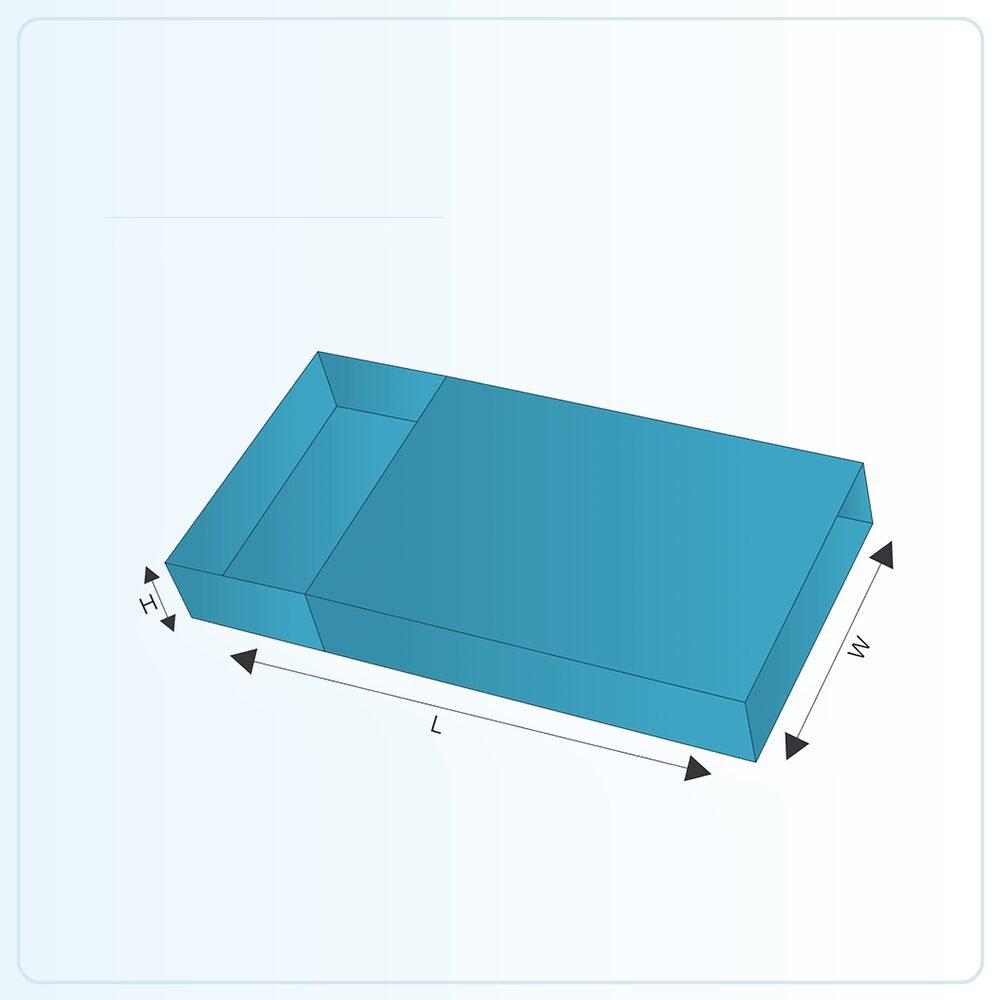
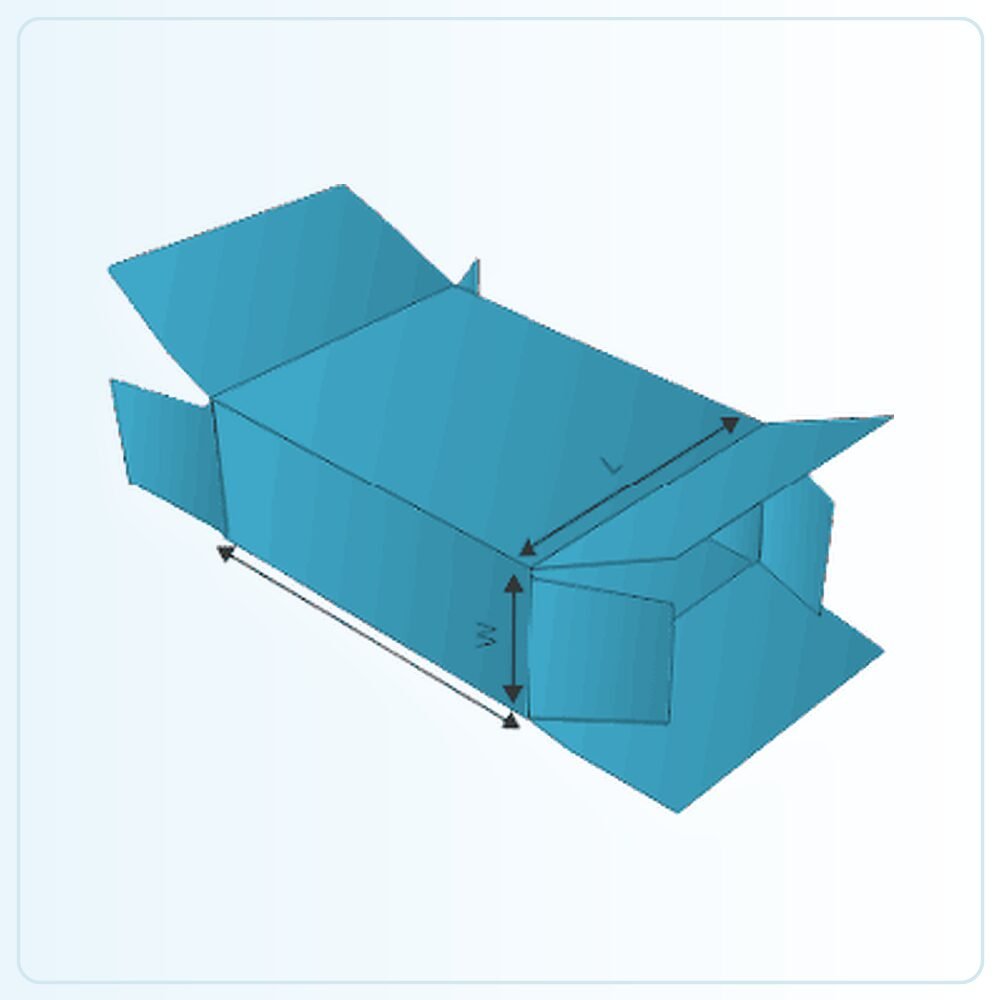
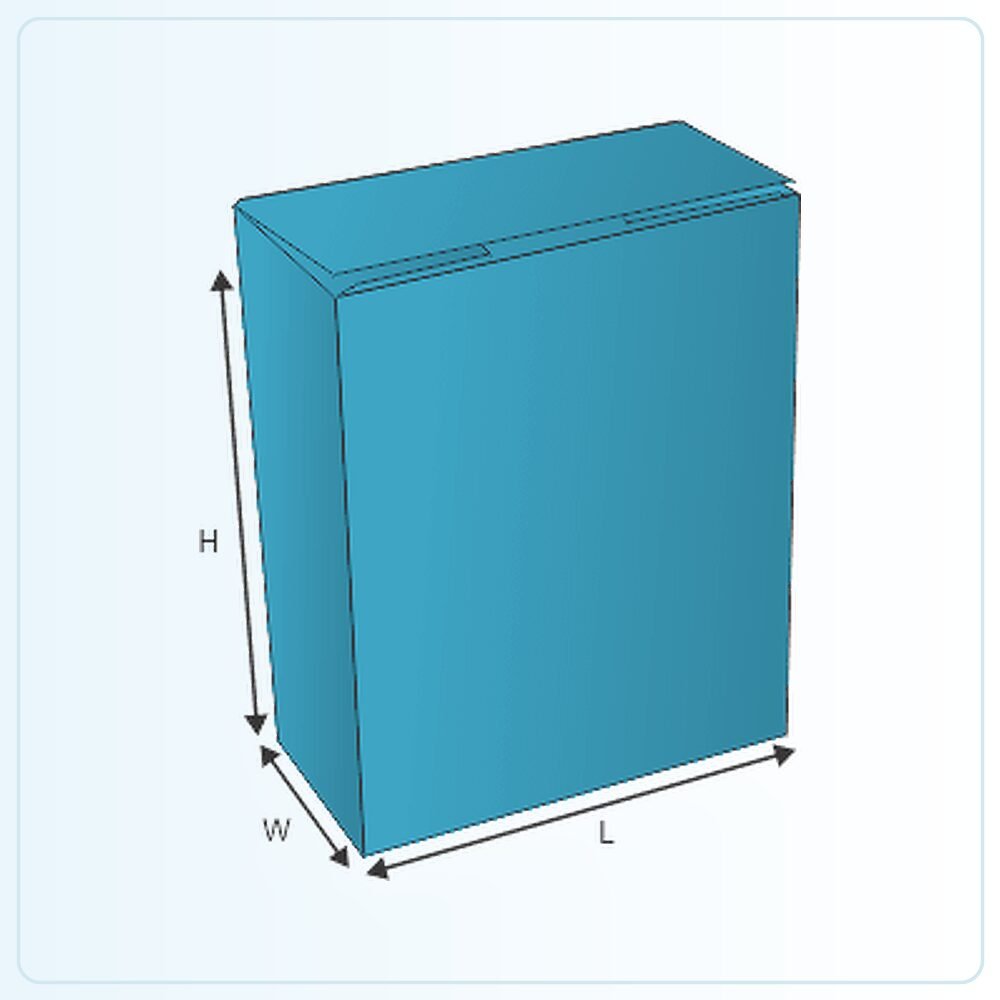
The illustration is a starting point for a made-to-order pack. It is not a production drawing that should simply be enlarged until your product appears to fit. Share the finished product measurements, packed weight and any inner components so the structure can be assessed at the size you actually need. Mark whether your measurements describe the product, the space inside the box or the outside of an existing pack.
Check the sample, not just the screen
A physical sample is available for £25 delivered. Agree what that sample will represent: the construction, material, printed appearance or a particular combination. A plain structural sample answers different questions from a finished printed example. Fill it with the actual product and include every insert, leaflet, wrapper or accessory that belongs in the final pack.
Ask the person who normally packs your orders to try it. Check the sequence of assembly, how comfortably the item goes in and how the customer removes it. Write down the changes you need before approving the next stage. If the pack will travel through a delivery network, assess the complete parcel rather than judging protection from an empty retail carton.
Get a clear price for the complete job
Orders start from 100 units. Our quoted prices include VAT and doorstep delivery. Usual production and delivery is 6–9 days; confirm the actual schedule for your agreed specification and target date. Tell us your delivery postcode, artwork status and any deadline when requesting a quote.
The useful comparison is the same structure, size, board, printing, finish and quantity. Ask for alternatives if you need to work towards a budget, and have any setup or additional components identified in the written quotation. Send your brief and we can help you settle the practical details before committing to the run.
Compare partition boxes for grouped products, display lid cartons, or request a packaging quote for this style.