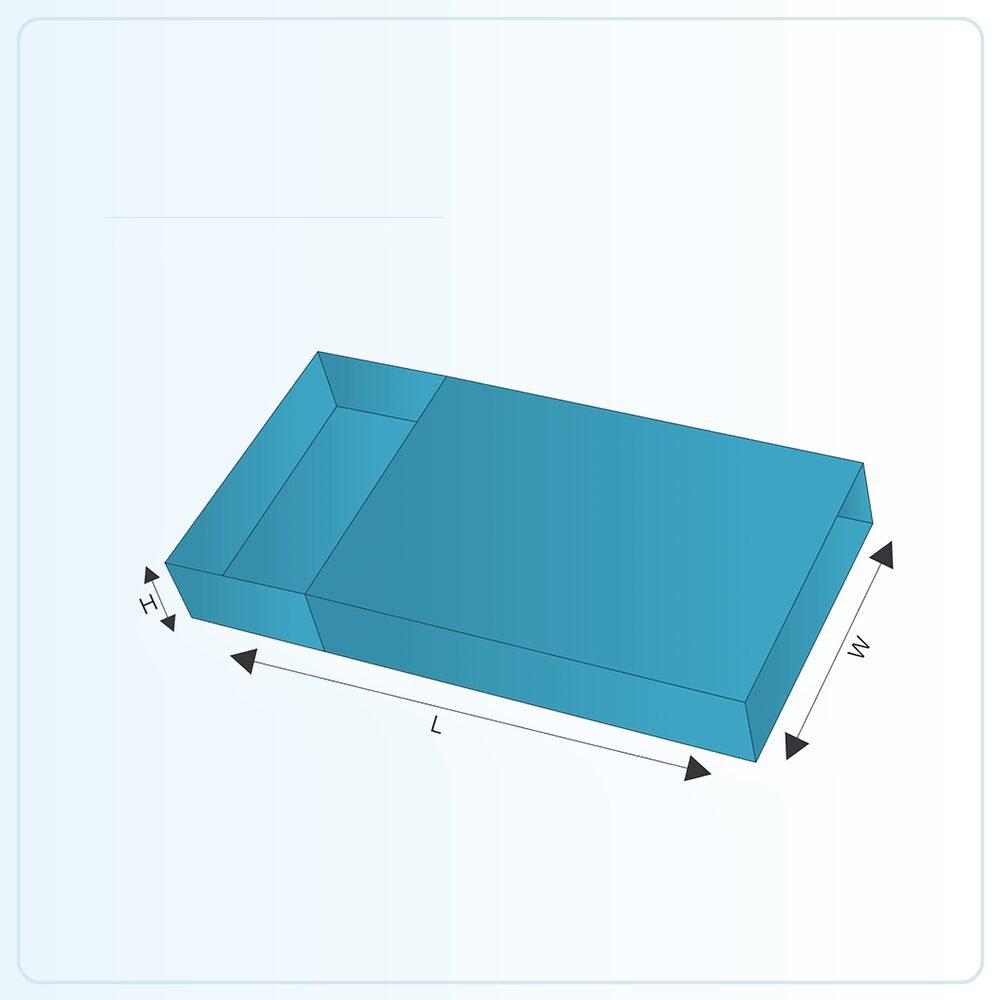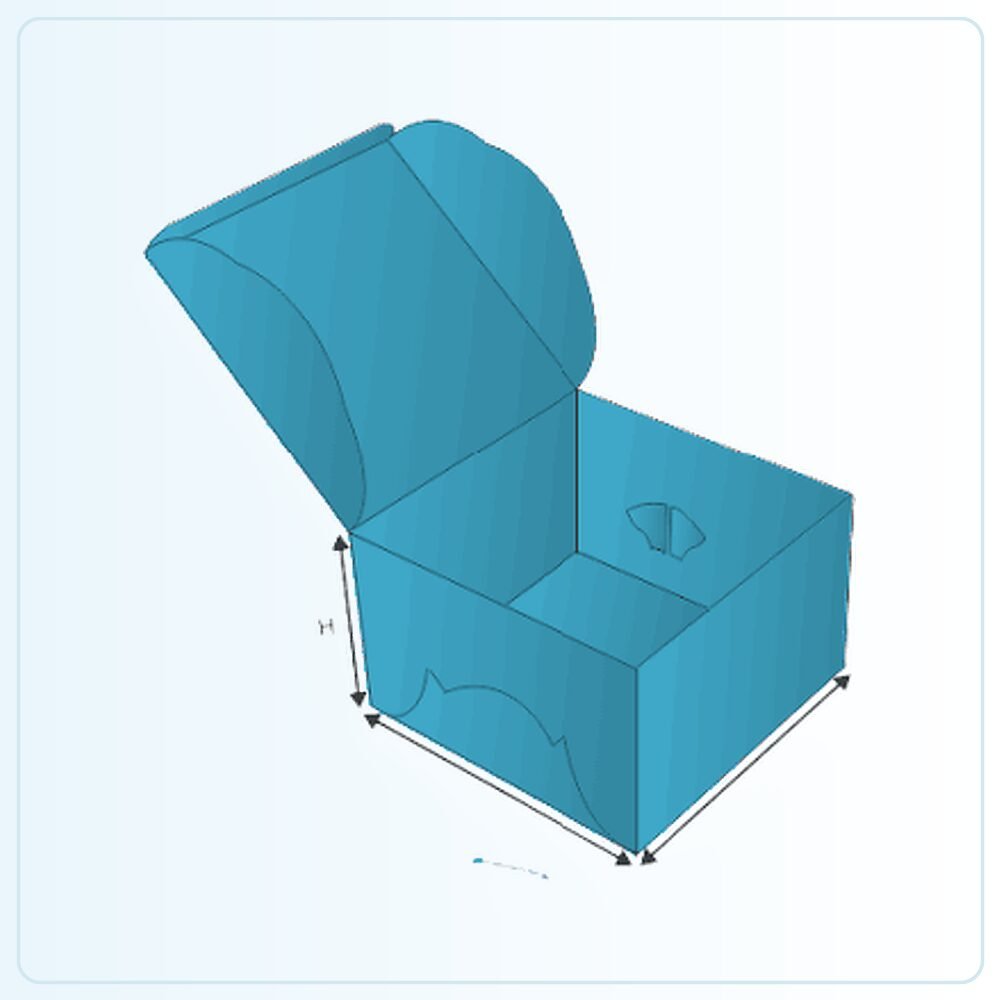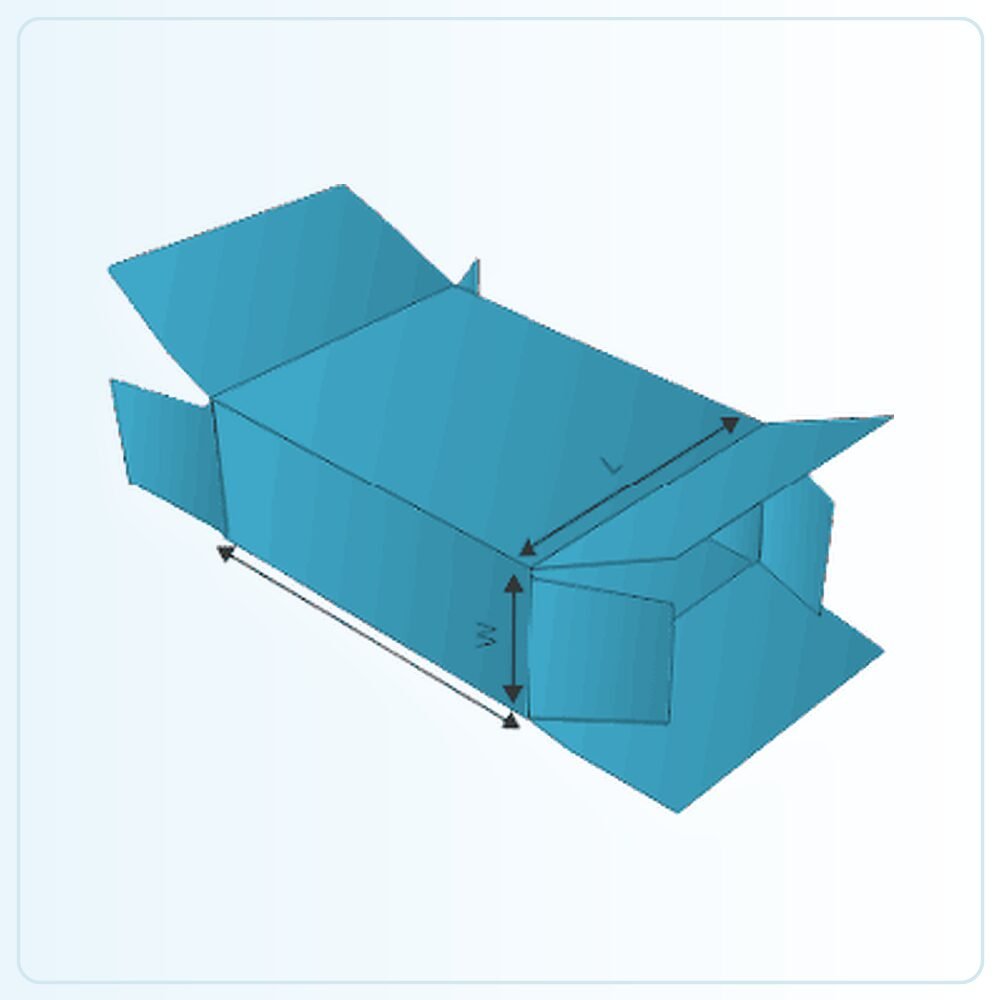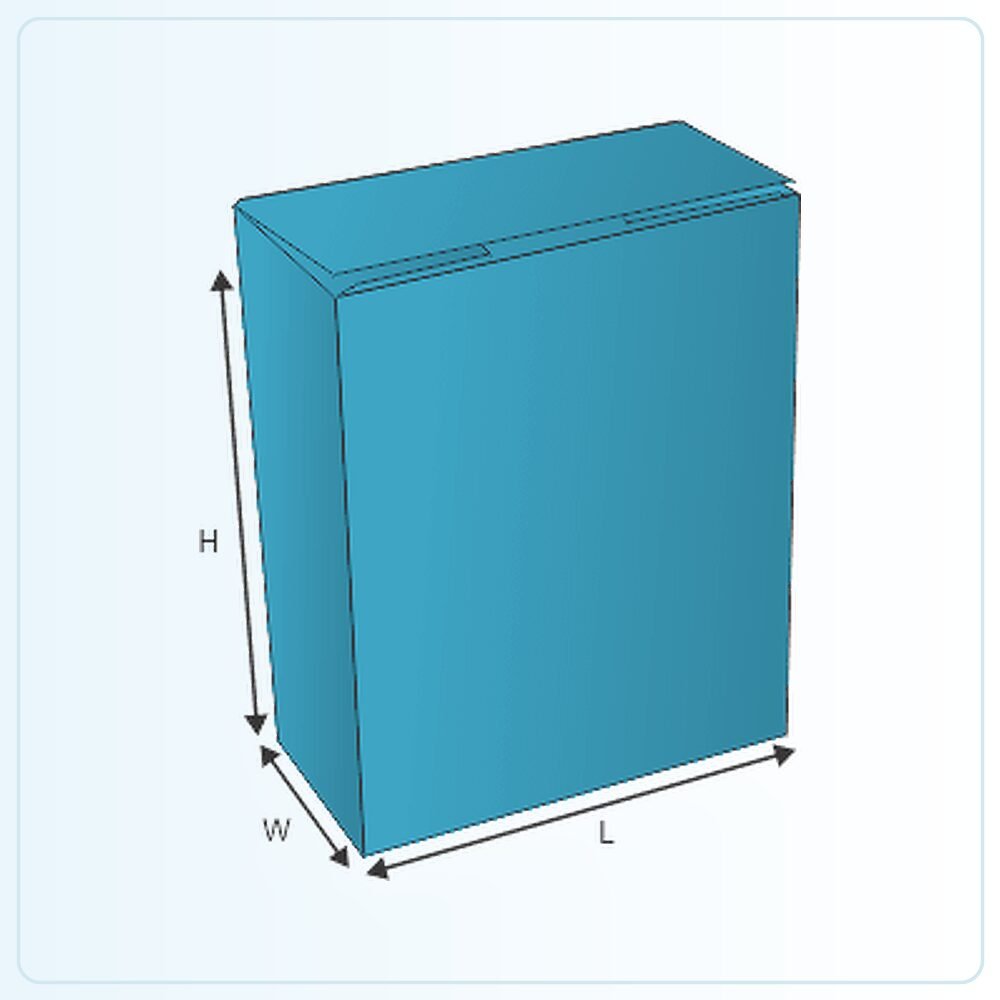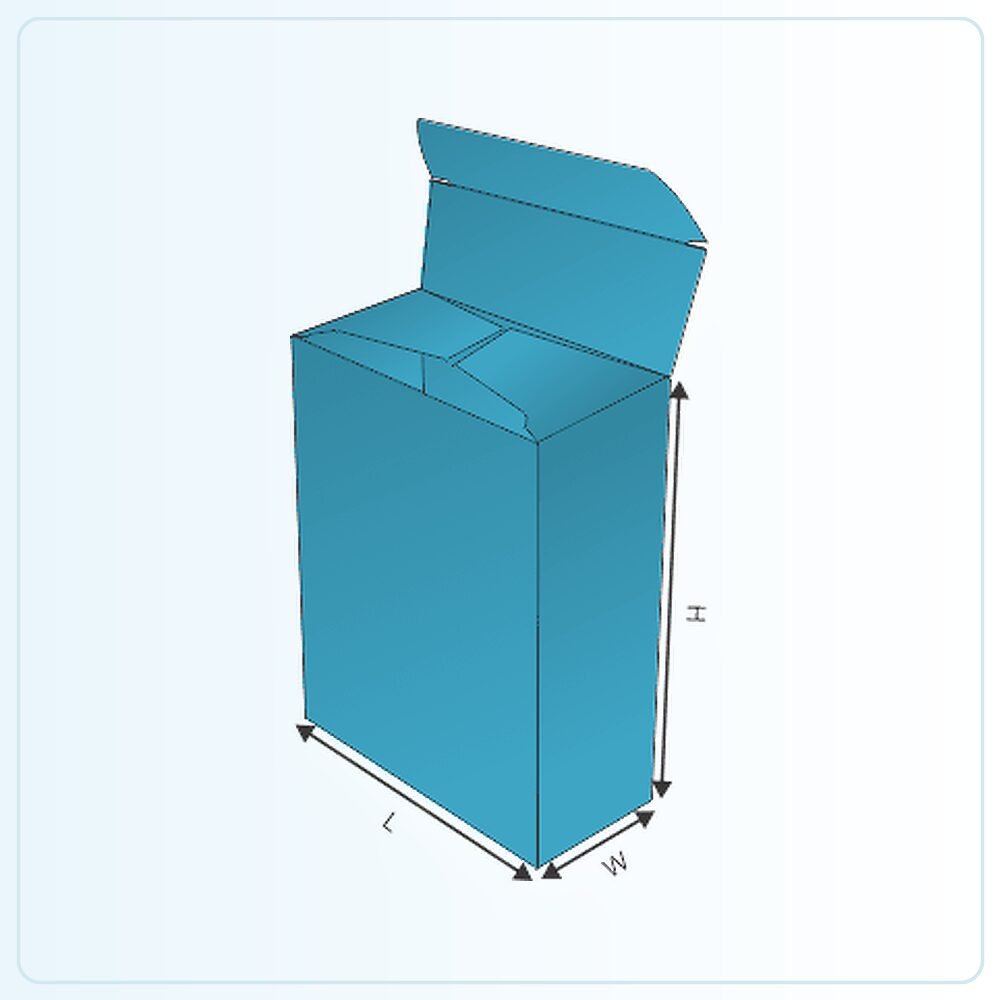
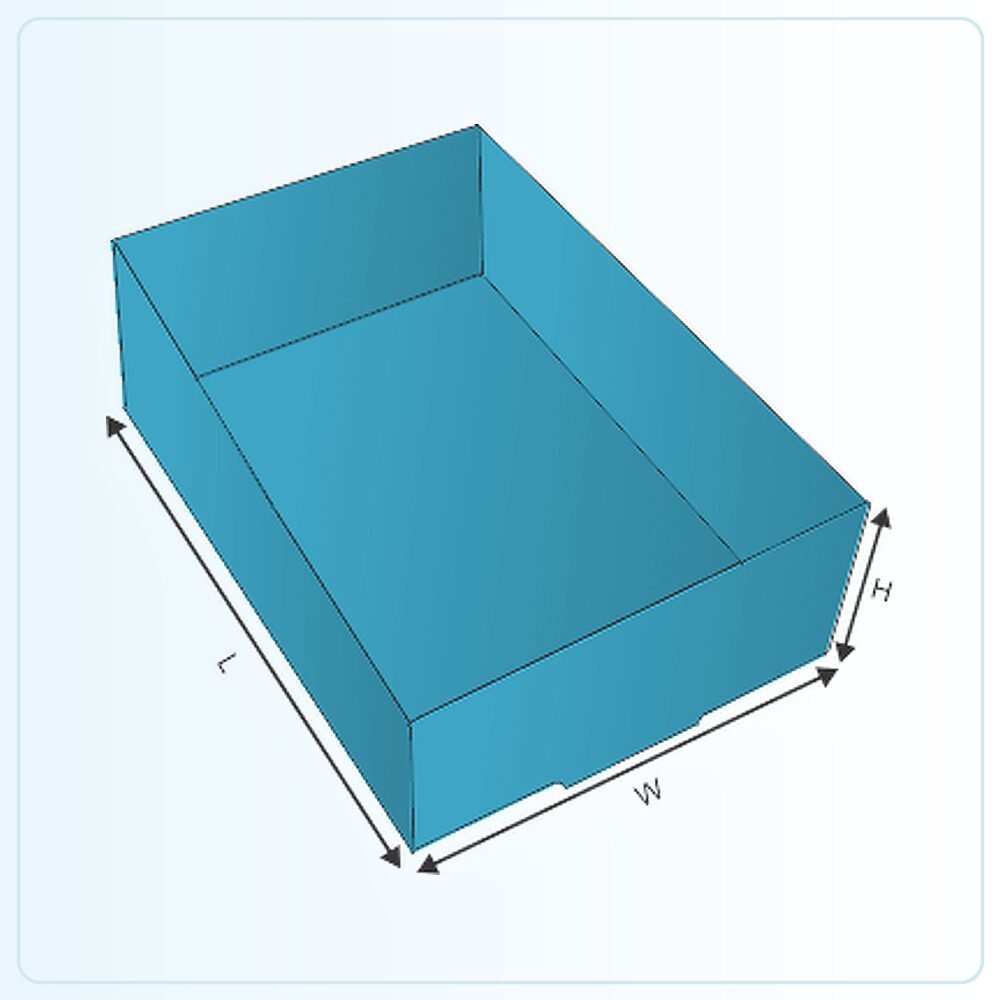
Confirm the exact double-tray arrangement
Full flat double tray is a style name that needs a drawing alongside it. The relationship between the tray sections, their depths and the way they close or nest should be confirmed before you settle the specification. Do not assume that every product using this name opens or assembles in exactly the same way.
Start with the reference illustration and explain the action you want. You may be looking for a coordinated covered presentation, a particular reveal or two sections that hold a set neatly. A sketch showing the intended closed and open positions can prevent misunderstandings before material and artwork decisions are made.
Size each section around its own function
The two sections may need different clearances or depths depending on how they relate to each other. Identify which part holds the product and which part provides coverage or another function. Measure the complete contents, including inserts, wrapping and any raised features that must not be compressed when the pack closes.
If the product is a set, lay out every piece in the intended arrangement. A symmetrical outside shape does not mean the contents need equal space on all sides. Give the structural discussion enough information to create usable room while preserving the presentation you want, rather than forcing the product into a shape chosen only from a photograph.
Check the transition from flat to assembled
One attraction of a folding structure is the possibility of storing it before setup without the volume of fully erected packs. Confirm the actual supply condition and assembly method for your specification. Ask what your team needs to do with each section and whether any joints arrive prepared.
Trial the whole sequence on the packing bench. Form the sections, check the corners and walls, place the contents and bring the parts together. Notice where access is needed for tabs or folds. If the assembly is unfamiliar, make sure the sample clearly demonstrates the intended method before your team is asked to repeat it across a large batch.
Make closing and opening comfortable
The relationship between the tray sections should be assessed with the product inside. A fit that seems neat while empty may change when a wall is pressed by the contents or an insert adds thickness. Check that the pack closes without force and opens without pulling the product arrangement apart.
Decide where the customer grips the pack. If the design creates closely fitted surfaces, there still needs to be a practical way to separate or open them. Review the first opening with someone who has not seen the construction before. Their response can reveal an unclear opening point that is easy to overlook when you already know how the sample works.
Coordinate the artwork across the assembled form
Identify the surfaces visible when the pack is closed, opened and being filled. A double-tray structure can reveal internal walls and folded edges that are not obvious from the flat layout. Use a mock-up to check text direction and the position of any continuous graphic.
For several product variants, keep the component references clear. If parts are stored separately, your team needs to pair them correctly. A consistent brand appearance can be combined with simple size or variant identifiers that remain useful behind the counter. The print should support a reliable packing routine as well as a considered customer-facing presentation.
Choose the finish after the structural fit is settled
Material and finishing can affect the feel and appearance of the fitted sections. Confirm the proposed board and ask what the sample will demonstrate before judging the final result. A plain structural trial and a finished printed sample answer different questions, so use each for the decision it can actually support.
If the pack is intended for dispatch, plan the outer protection and any restraint needed between its components. A presentation structure should not be assumed to remain closed or protect fragile contents in every delivery situation. Describe the journey and agree the complete packaging arrangement alongside the double-tray design.
Turn the template into your own specification
The illustration is a starting point for a made-to-order pack. It is not a production drawing that should simply be enlarged until your product appears to fit. Share the finished product measurements, packed weight and any inner components so the structure can be assessed at the size you actually need. Mark whether your measurements describe the product, the space inside the box or the outside of an existing pack.
Check the sample, not just the screen
A physical sample is available for £25 delivered. Agree what that sample will represent: the construction, material, printed appearance or a particular combination. A plain structural sample answers different questions from a finished printed example. Fill it with the actual product and include every insert, leaflet, wrapper or accessory that belongs in the final pack.
Ask the person who normally packs your orders to try it. Check the sequence of assembly, how comfortably the item goes in and how the customer removes it. Write down the changes you need before approving the next stage. If the pack will travel through a delivery network, assess the complete parcel rather than judging protection from an empty retail carton.
Get a clear price for the complete job
Orders start from 100 units. Our quoted prices include VAT and doorstep delivery. Usual production and delivery is 6–9 days; confirm the actual schedule for your agreed specification and target date. Tell us your delivery postcode, artwork status and any deadline when requesting a quote.
The useful comparison is the same structure, size, board, printing, finish and quantity. Ask for alternatives if you need to work towards a budget, and have any setup or additional components identified in the written quotation. Send your brief and we can help you settle the practical details before committing to the run.
Compare top and bottom lid packaging, tray and sleeve packs, or request a packaging quote for this style.