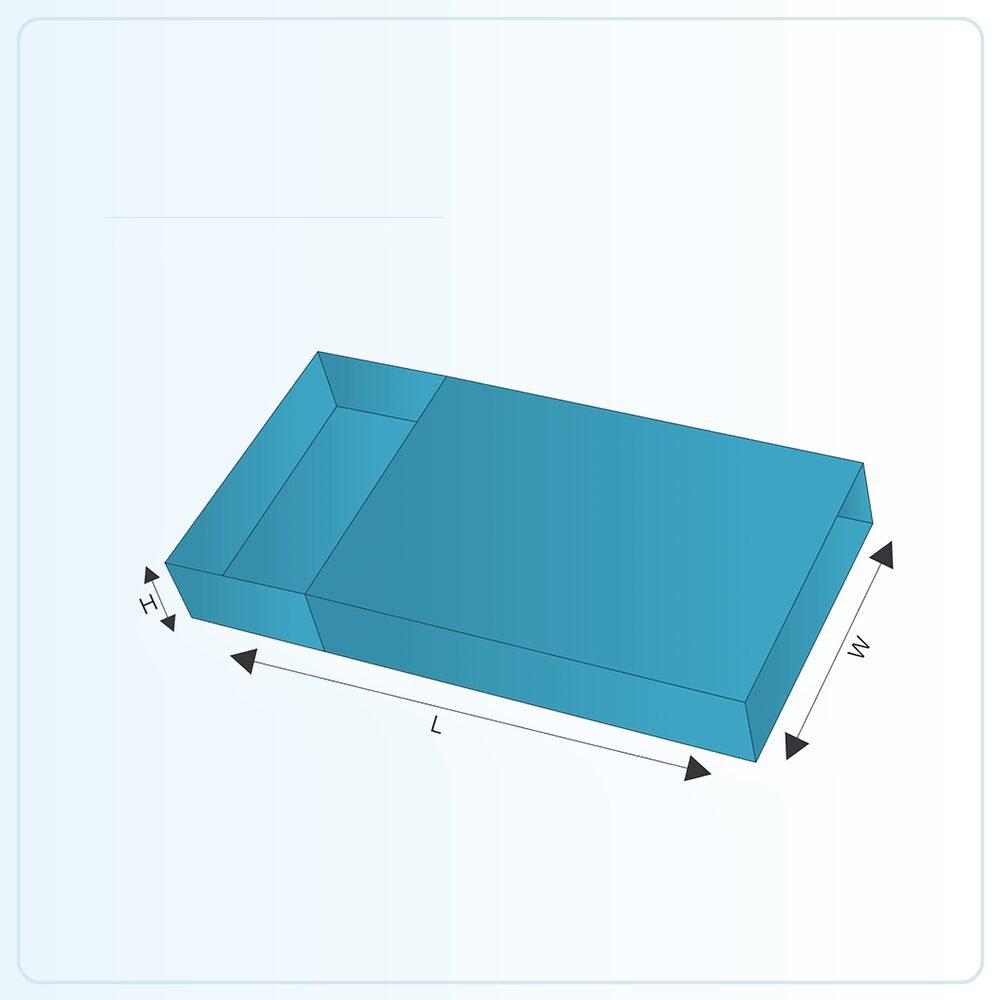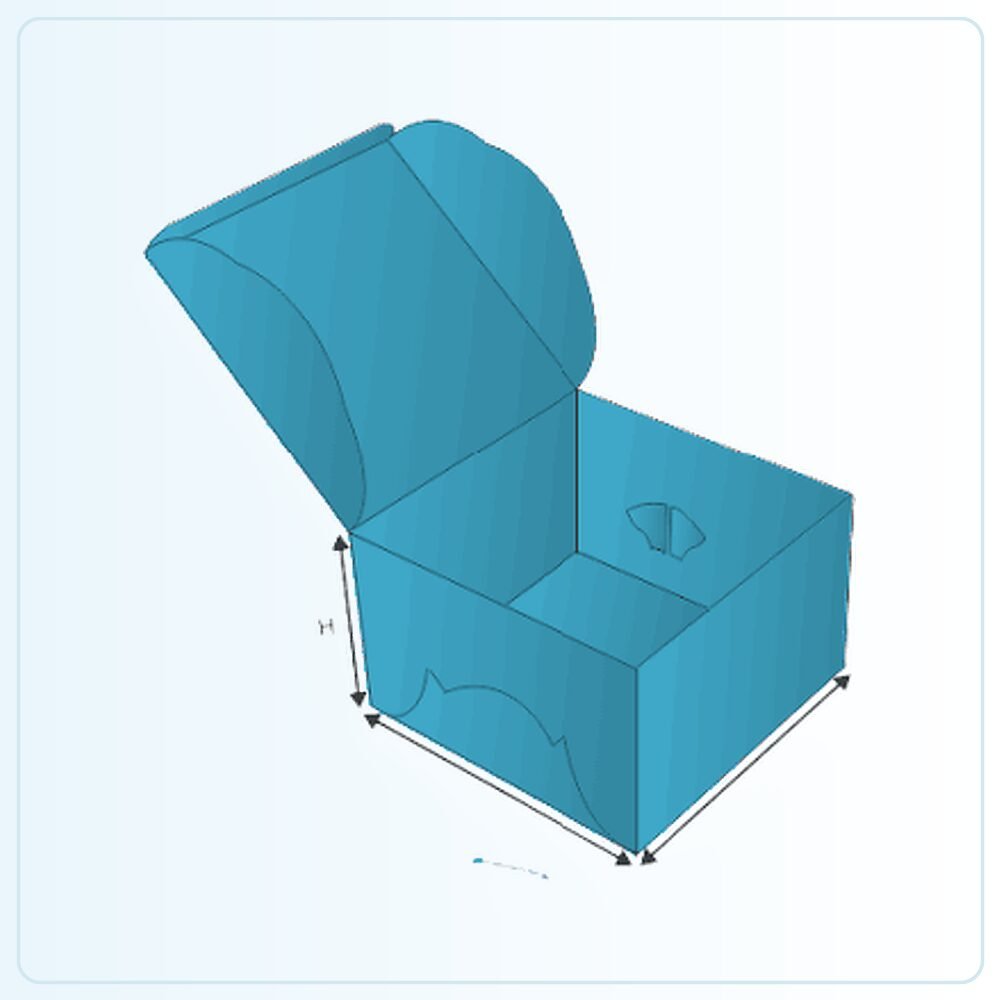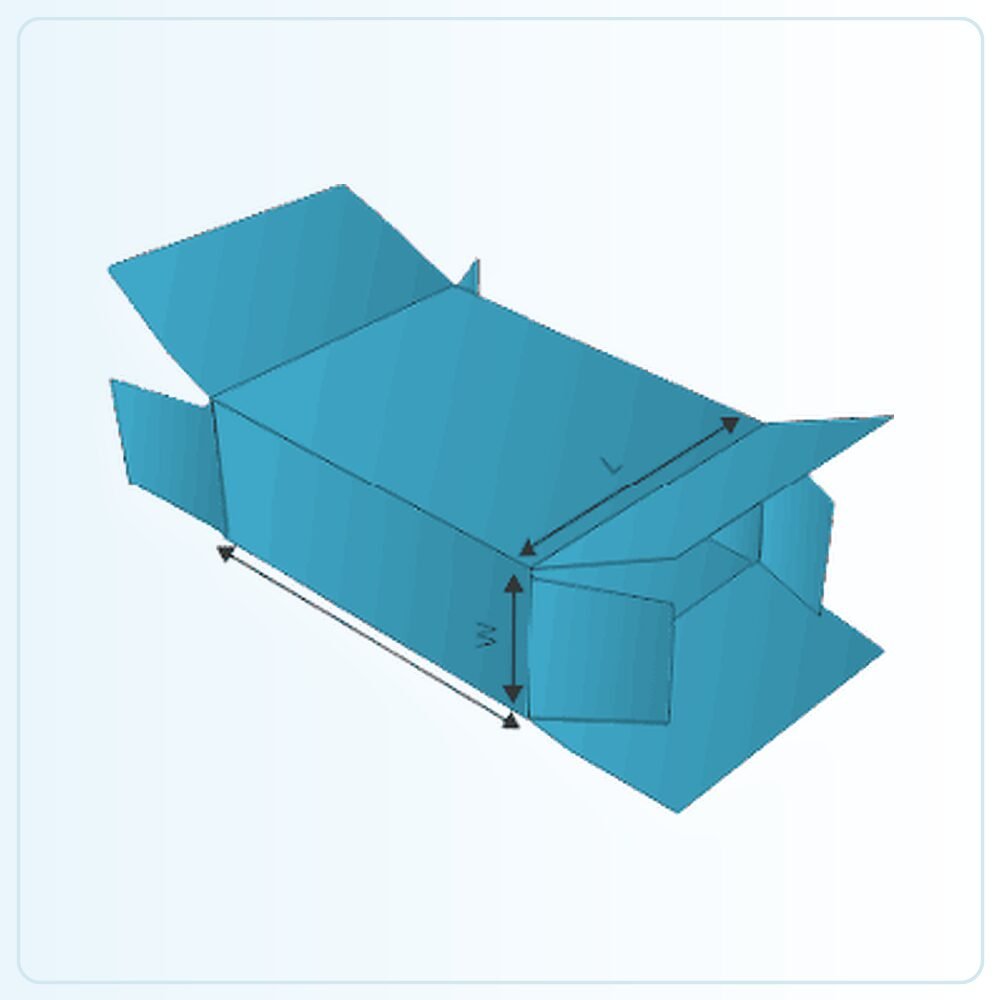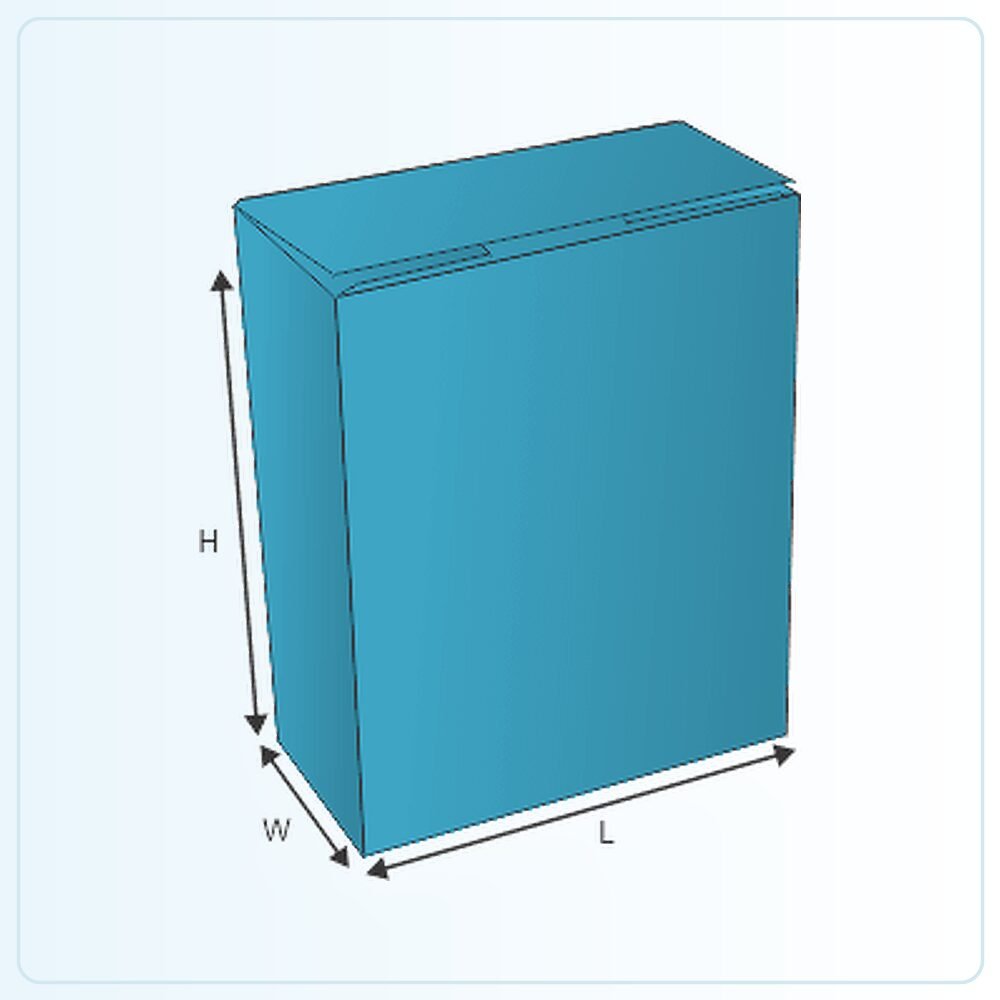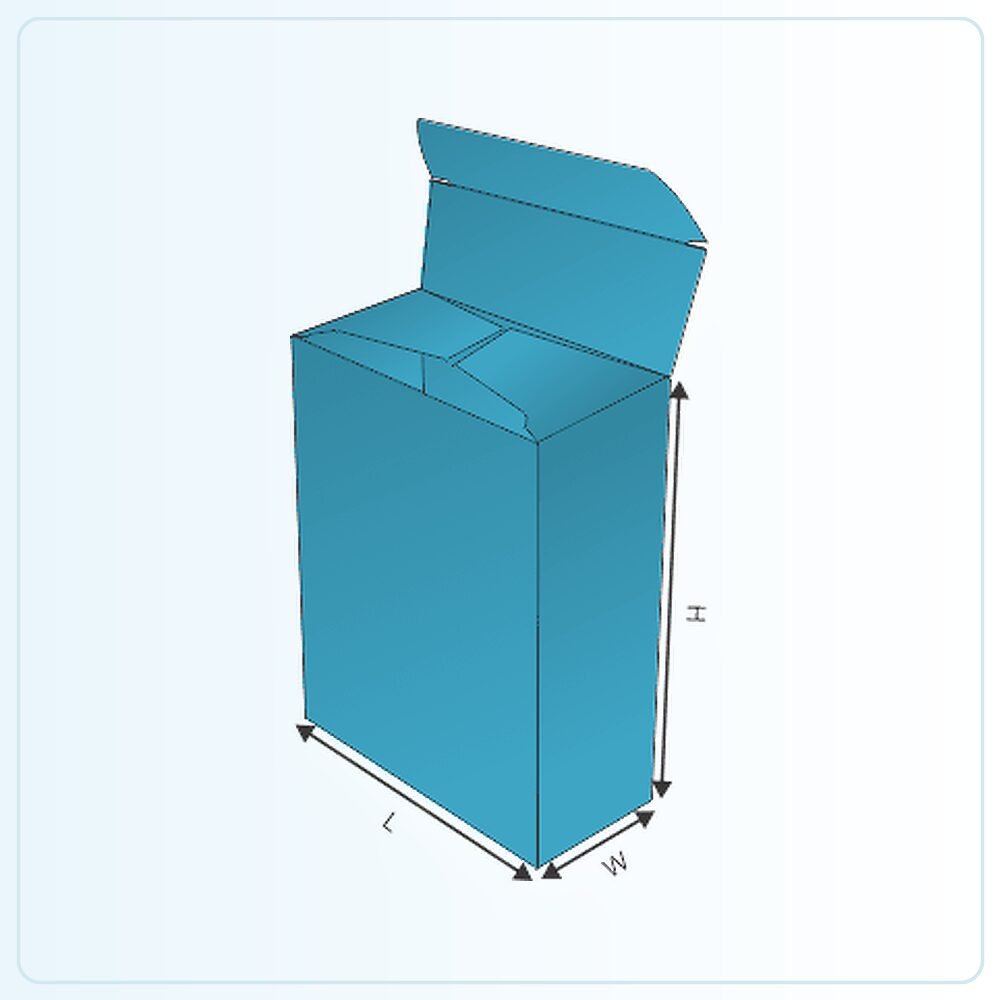
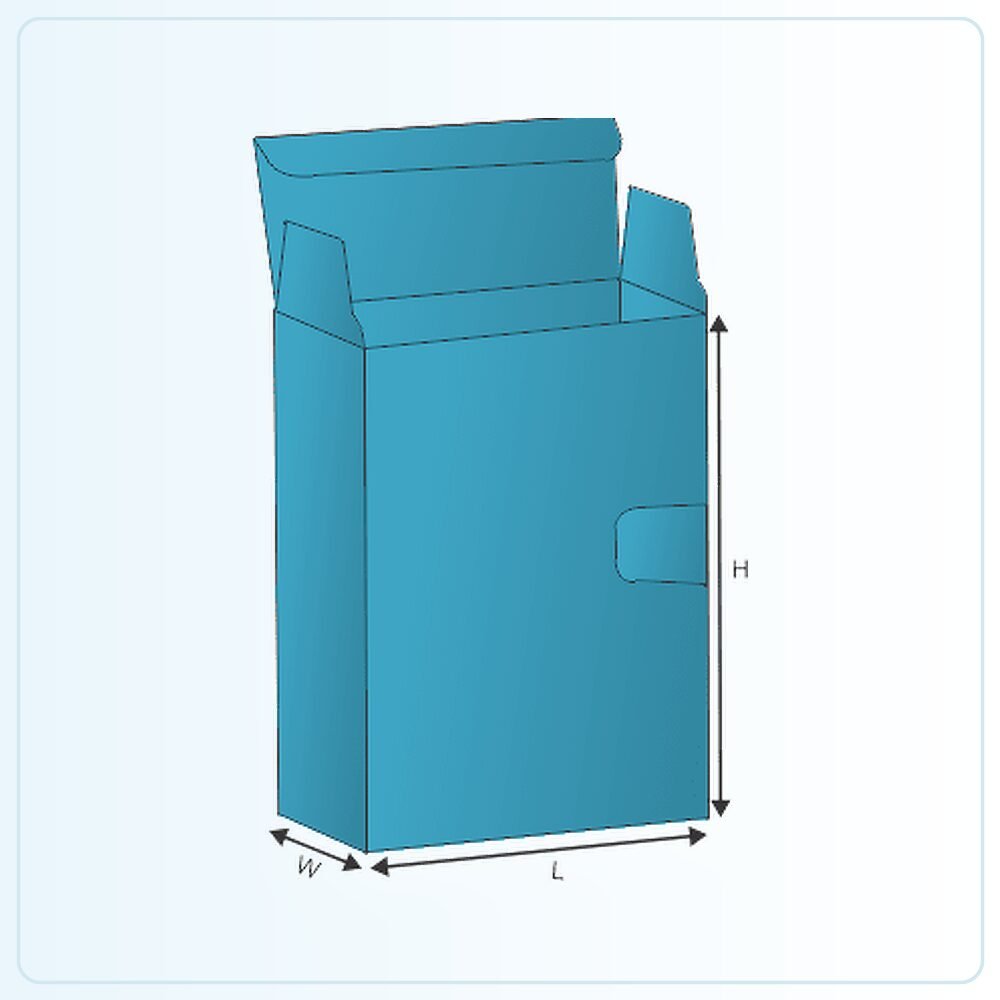
Understand what makes this a bookend carton
This template uses a book-like outer opening panel alongside the product carton. In a typical bookend arrangement, an additional panel wraps across a face of the carton while the body has its own end closures. Confirm the exact construction on your proposed dieline, because similar presentation names can describe different folding and closing arrangements.
Bookend packaging does not mean a decorative object for supporting books. It also does not automatically mean a rigid magnetic gift box. If you need magnets, a particular board construction or a separate closing device, make that requirement clear. The finished specification should identify how the outer panel and the product compartment each open and close.
Decide what the first opening should reveal
The additional panel gives you a useful moment to introduce the product, explain a range or show a short set of instructions. Decide whether the opened cover should reveal a printed message, a product compartment or another agreed feature. Keep that choice connected to how the customer will actually remove and use the item.
Avoid designing a reveal that makes access unnecessarily awkward. If the cover opens to the side but the product comes out through the top, check that the sequence feels clear. A physical sample helps you see whether the presentation panel stays out of the way and whether the customer needs to turn the pack to reach the contents.
Fit the body and any support to the product
Measure the complete item, including caps, projections and accessories. The carton needs appropriate clearance for insertion, its closing flaps and any internal component. A snug appearance on a visual is not enough to confirm a workable fit. Check the actual route into the compartment, especially where the product is wider at one end.
If the presentation depends on keeping the product in a particular position, discuss an insert. The support needs to locate the item while allowing it to be removed comfortably. Include its material and assembly in the quotation. Do not assume that a book-style outer panel itself provides the protection needed for a fragile or heavy product.
Use the cover, spine and inside panel deliberately
Treat each visible surface as part of the customer's reading sequence. The cover can carry the main product identity, the spine can help identify a standing pack, and the inside panel can explain what comes next. This gives you room for a coherent introduction without repeating the same sales paragraph across every face.
Work on the approved dieline and confirm which direction each panel reads after folding. Pay attention to the position of the spine and the inside of the opening panel. Keep important wording clear of folds and closure areas. For several variants, make the product name and version easy to distinguish when the cartons are stored or displayed together.
Match the finish to the opening experience
A considered print layout may provide the presentation you need without several additional finishes. If you want foil, embossing or another effect, identify its position and discuss suitability for the chosen board and fold arrangement. A finish crossing a working fold needs particular review; the appearance on a flat mock-up does not settle that question.
Check the sample with the cover both closed and open. Look at the alignment between printed panels and whether the carton sits as intended on a shelf or table. Agree what the sample represents so you are not judging final colour or surface effects from a plain structural sample. Confirm separate production details where they are not represented physically.
Plan storage, packing and repeat orders
Ask how the cartons will be supplied and what assembly your packing team will carry out. The additional panel introduces an extra part of the opening and closing sequence, so trial it with the person who will fill the packs. Check that the product can be loaded consistently without catching the cover or forcing the end closure.
For delivery, assess whether the presentation carton needs an outer pack and internal protection. For reorders, retain the approved dieline, artwork version and product measurements together. A revised product or new insert can change the required fit even when the cover design stays the same. Confirm those changes before repeating an earlier specification.
Turn the template into your own specification
The illustration is a starting point for a made-to-order pack. It is not a production drawing that should simply be enlarged until your product appears to fit. Share the finished product measurements, packed weight and any inner components so the structure can be assessed at the size you actually need. Mark whether your measurements describe the product, the space inside the box or the outside of an existing pack.
Check the sample, not just the screen
A physical sample is available for £25 delivered. Agree what that sample will represent: the construction, material, printed appearance or a particular combination. A plain structural sample answers different questions from a finished printed example. Fill it with the actual product and include every insert, leaflet, wrapper or accessory that belongs in the final pack.
Ask the person who normally packs your orders to try it. Check the sequence of assembly, how comfortably the item goes in and how the customer removes it. Write down the changes you need before approving the next stage. If the pack will travel through a delivery network, assess the complete parcel rather than judging protection from an empty retail carton.
Get a clear price for the complete job
Orders start from 100 units. Our quoted prices include VAT and doorstep delivery. Usual production and delivery is 6–9 days; confirm the actual schedule for your agreed specification and target date. Tell us your delivery postcode, artwork status and any deadline when requesting a quote.
The useful comparison is the same structure, size, board, printing, finish and quantity. Ask for alternatives if you need to work towards a budget, and have any setup or additional components identified in the written quotation. Send your brief and we can help you settle the practical details before committing to the run.
Compare presentation cases, separate lid and base boxes, or request a packaging quote for this style.