A separate lid changes the way a product is revealed
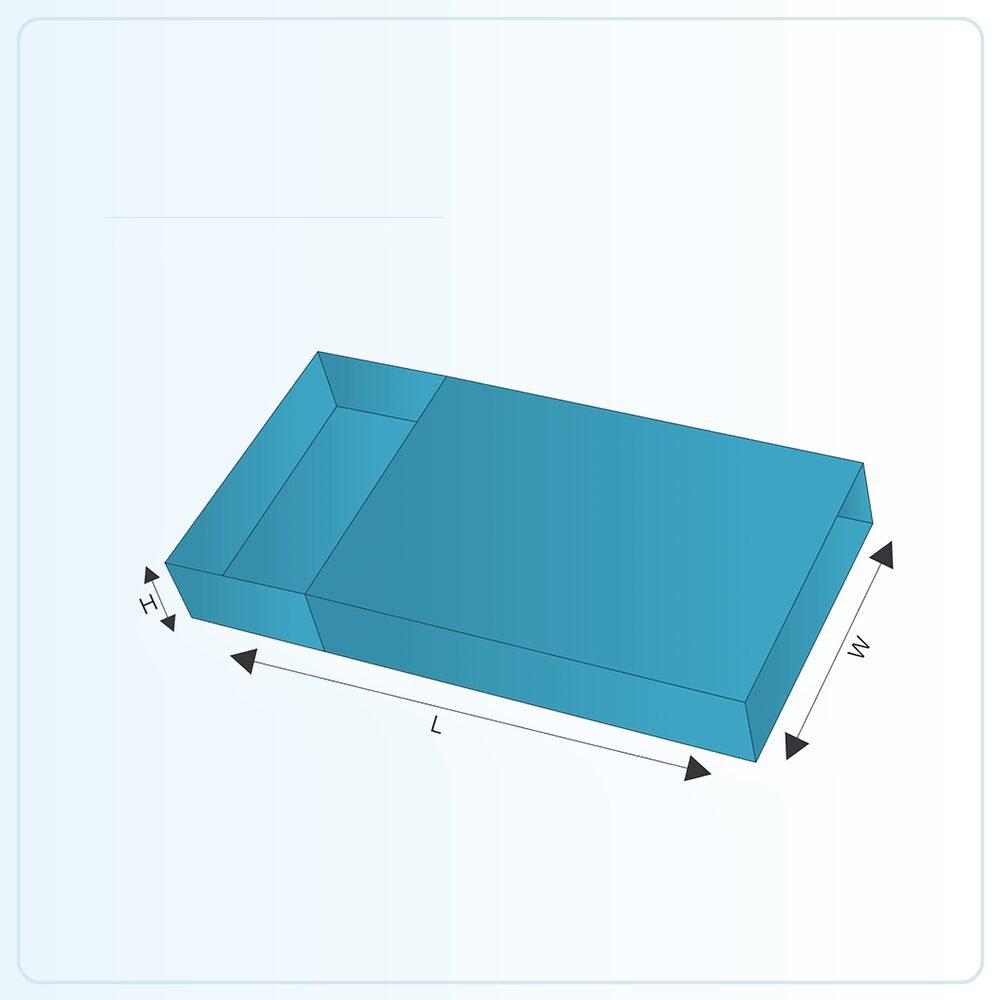
Two-piece packaging gives the lid and base distinct roles. The cover presents the brand while closed; the base supports the contents when the lid is removed. That arrangement can be useful for gift products, retail collections and items that benefit from an unobstructed view from above.
The style name does not specify whether the pack uses folding paperboard, wrapped board or another material. Confirm the construction rather than assuming every lid-and-base box is rigid. A straightforward folded version and a more substantial presentation box can look related in a photograph while differing in assembly, feel, storage and cost.
Decide what the base should reveal
Start with the contents arranged as the customer should see them. Decide how much of each item should sit above the base wall and where a hand needs access for removal. A deep base can hide small products, while a shallow base may need more internal support to keep a taller item in position.
If there are several pieces, consider the sequence in which they are removed. A leaflet should not obstruct a product that needs to be lifted first unless that is deliberate. A fitted insert should make the arrangement clear while leaving comfortable access. Build the layout around real products, including wrappers and accessories, rather than only a presentation drawing.
Give the lid the right overlap and grip
Lid depth affects the proportions of the closed pack and the amount of base visible below it. It also affects where the customer can grip the two parts. Decide whether you want a shallow cover, a deeper overlap or another arrangement, then trial the opening rather than choosing from appearance alone.
The fit should be assessed on a filled sample. An overly tight cover can pull at the base or make opening awkward; a loose one may need a separate restraint for handling. The intended fit is not a guaranteed seal. If the pack must remain closed in a bag or during delivery, agree that requirement and any additional closure explicitly.
Keep internal and external measurements distinct
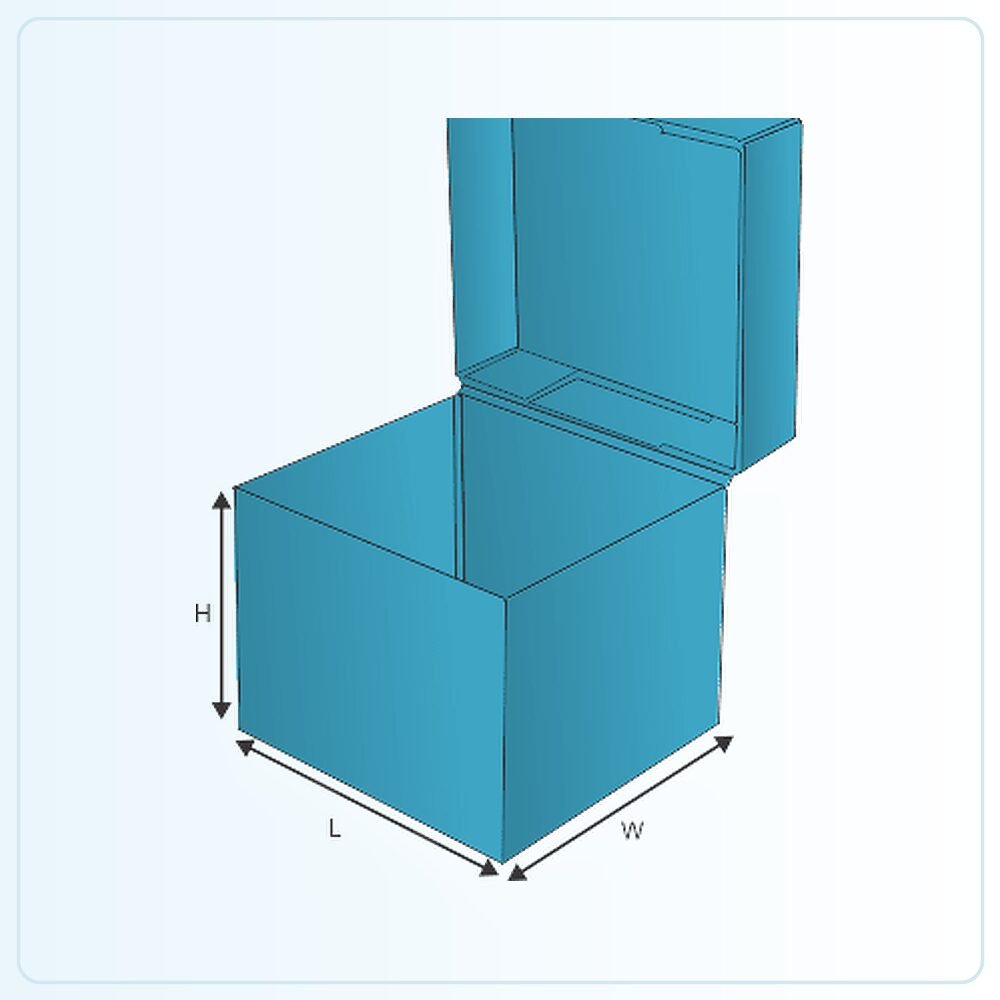
Give the space the contents need inside the base and identify any outside size constraint. A shelf, presentation bag or outer shipping box may impose a maximum footprint, but wall thickness and lid overlap still need allowing for. A sketch showing both requirements can help the design discussion.
If replacing a current pack, send its measurements and explain what needs improving. A lid that is awkward to remove, an insert that leaves too much empty space or a base that hides the product are different problems. The most useful redesign addresses the specific issue instead of simply making the overall box larger or adding another finish.
Design two components that belong together
The lid often carries the main logo, but the base should still look intentional after opening. Decide whether it needs a contrasting colour, restrained branding or simply a clean surface around the product. Check where any design crosses the lid-and-base join so the closed appearance does not rely on an unrealistic alignment.
For multiple versions, make it easy to pair the correct components at the packing bench. Similar lids and bases can be confused when stored separately. Clear size and artwork references help avoid a mismatch, while a discreet printed identifier may be useful where the appearance of different variants is deliberately close.
Plan storage and delivery around the chosen construction
Ask how the components will be supplied and how much assembly is required before filling. A folding version and an erected presentation box can have very different storage needs. Consider the number of packs you use between deliveries and whether keeping a larger quantity is practical for your workspace.
For online orders, assess the complete parcel. A lift-off lid does not automatically remain in place through a delivery network, and a presentable outer surface may need protection from scuffing. Explain the route, product fragility and preferred opening experience so the base, cover, internal support and outer packaging work together.
Turn the template into your own specification
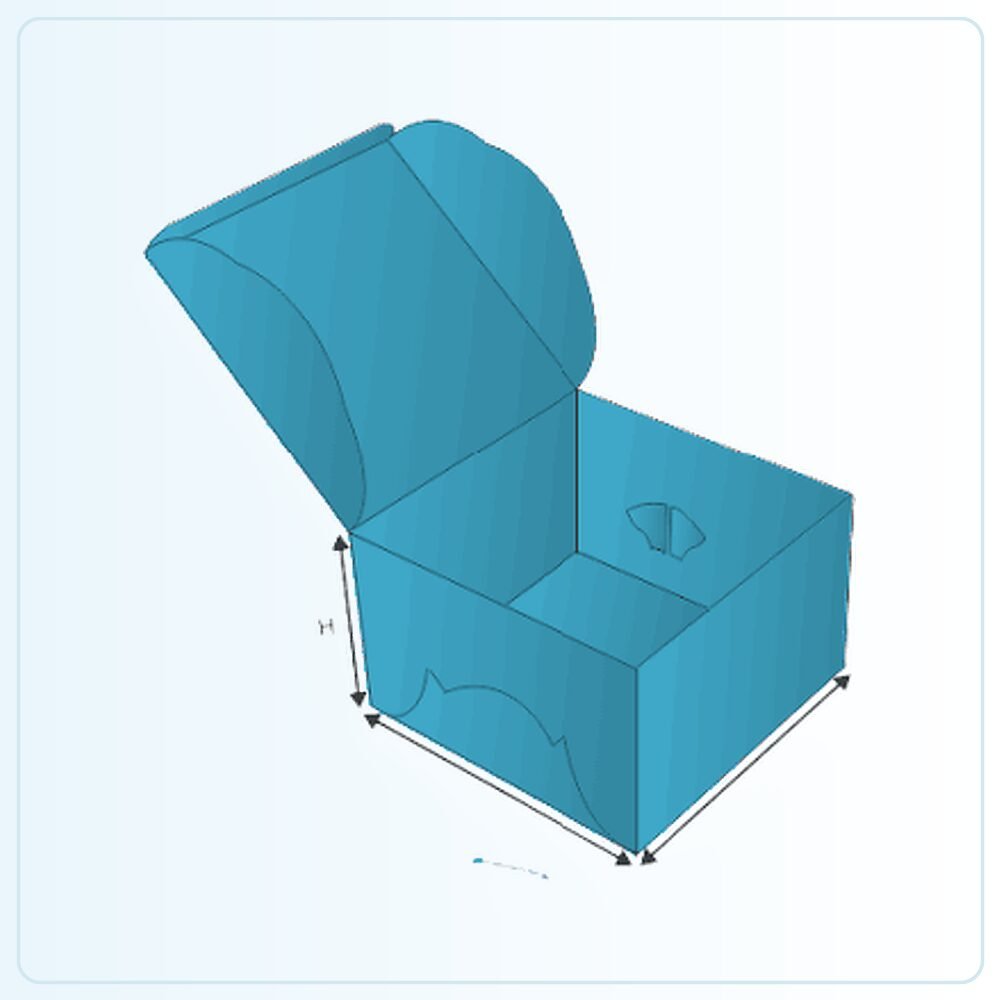
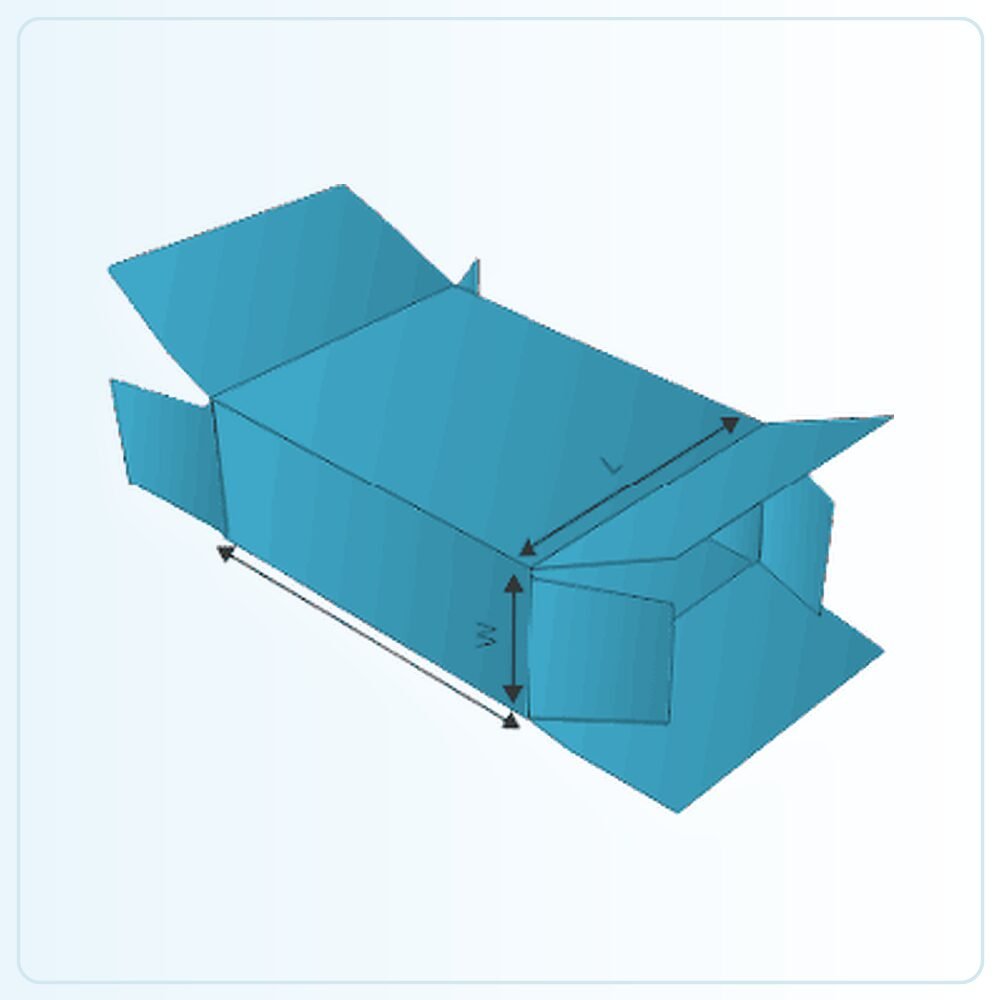
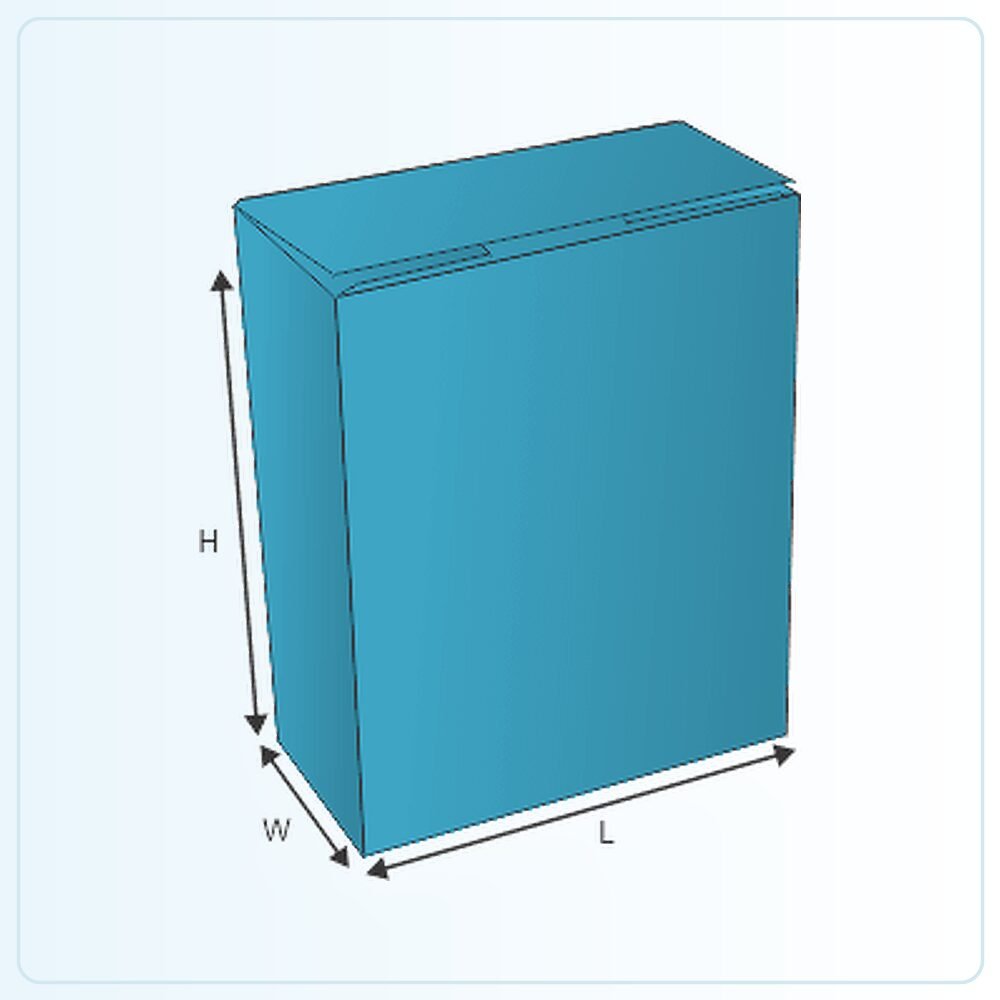
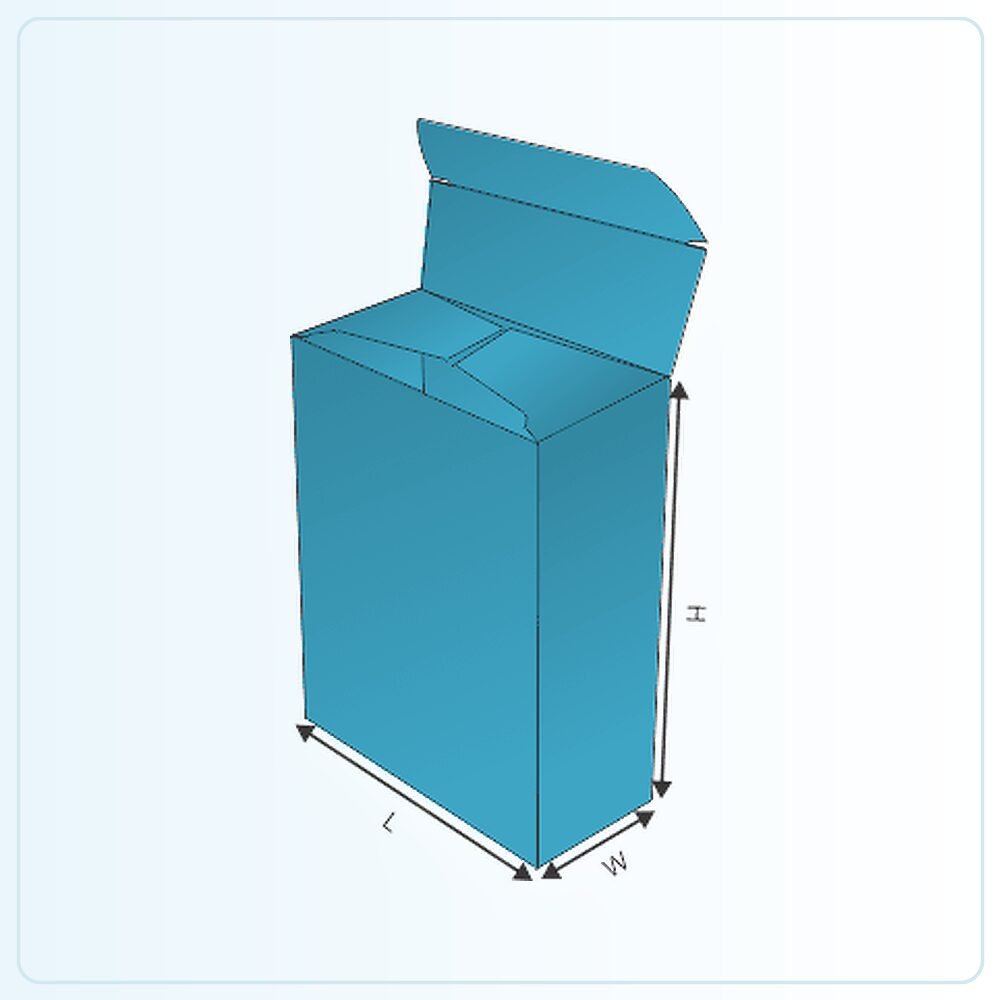
The illustration is a starting point for a made-to-order pack. It is not a production drawing that should simply be enlarged until your product appears to fit. Share the finished product measurements, packed weight and any inner components so the structure can be assessed at the size you actually need. Mark whether your measurements describe the product, the space inside the box or the outside of an existing pack.
Check the sample, not just the screen
A physical sample is available for £25 delivered. Agree what that sample will represent: the construction, material, printed appearance or a particular combination. A plain structural sample answers different questions from a finished printed example. Fill it with the actual product and include every insert, leaflet, wrapper or accessory that belongs in the final pack.
Ask the person who normally packs your orders to try it. Check the sequence of assembly, how comfortably the item goes in and how the customer removes it. Write down the changes you need before approving the next stage. If the pack will travel through a delivery network, assess the complete parcel rather than judging protection from an empty retail carton.
Get a clear price for the complete job
Orders start from 100 units. Our quoted prices include VAT and doorstep delivery. Usual production and delivery is 6–9 days; confirm the actual schedule for your agreed specification and target date. Tell us your delivery postcode, artwork status and any deadline when requesting a quote.
The useful comparison is the same structure, size, board, printing, finish and quantity. Ask for alternatives if you need to work towards a budget, and have any setup or additional components identified in the written quotation. Send your brief and we can help you settle the practical details before committing to the run.
Compare double wall tray lid boxes, sliding tray and sleeve packaging, or request a packaging quote for this style.