A useful starting point for a repeatable retail range
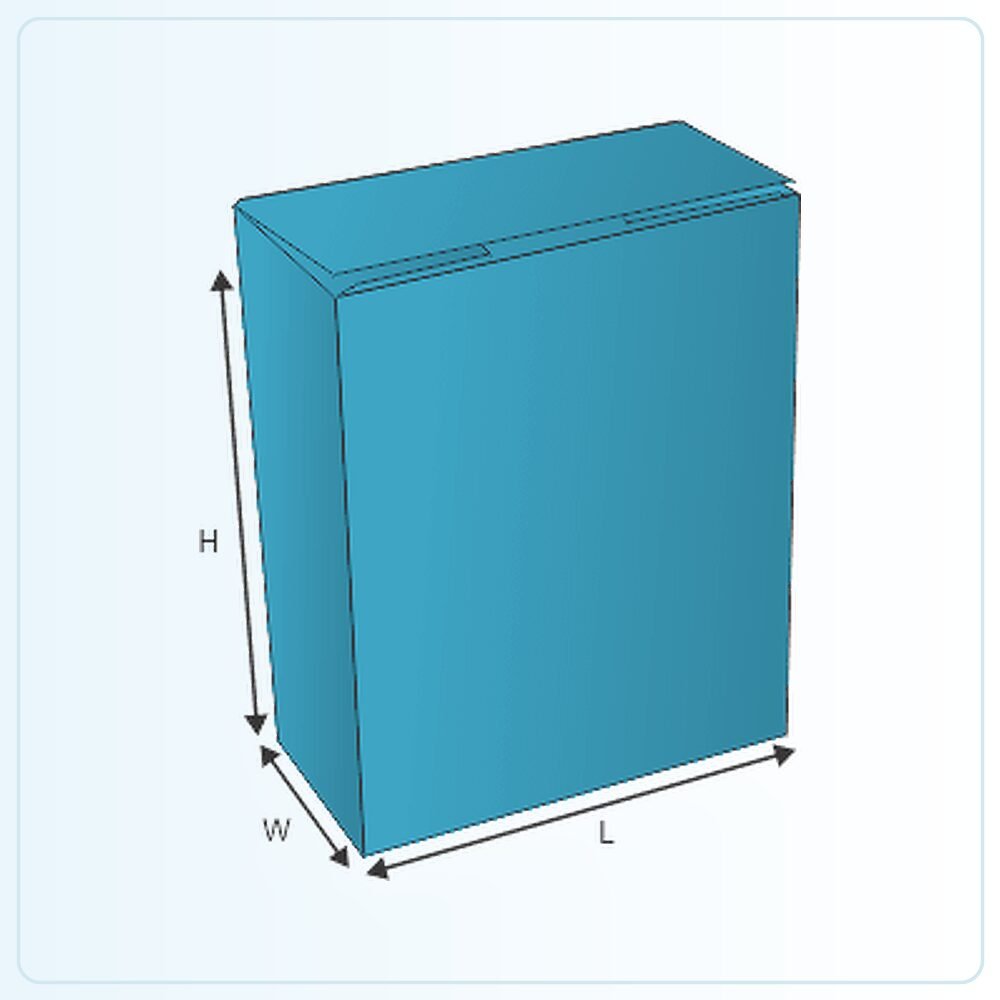
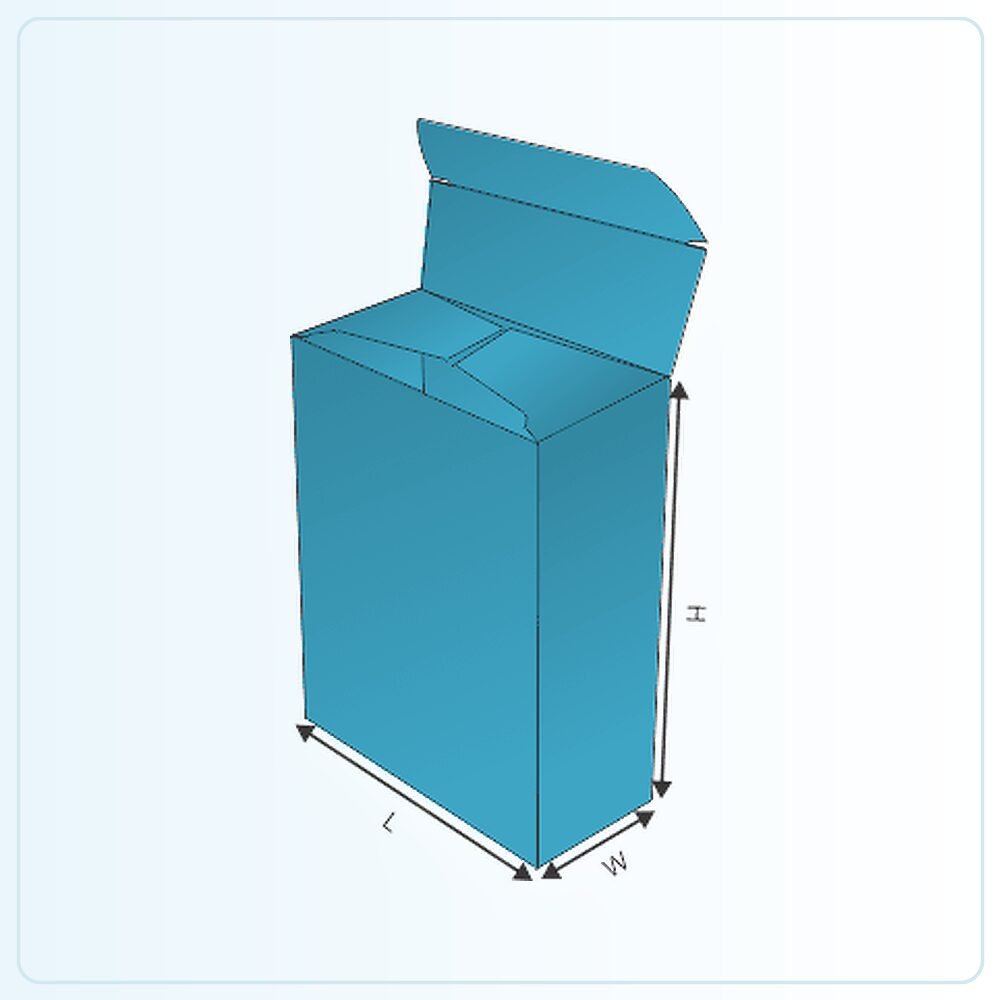
Reverse tuck end packaging uses opposing end closures on a folding carton body. It is worth considering when you need a recognisable rectangular pack with space for branded print and product information. The format can be discussed for individual retail products or coordinated lines, with the details agreed for each item rather than assumed from the style name.
For an established range, begin with the current pack. Tell us what works and what needs improving: a difficult closure, excessive empty space, confusing variants or a front panel that does not show the brand clearly. A useful redesign solves that particular problem instead of changing the appearance without understanding the packing process.
Separate product dimensions from carton dimensions
An existing box is a helpful reference, but its outside measurements are not the same as the space available inside. Tell us what you measured and include the product itself in the brief. A small difference in the internal space can matter when a rigid component, cap or fitted insert sits close to a closing flap.
Check the product in its finished state. A protective bag, folded instruction sheet or promotional card can add bulk in an unexpected place. Build the sample with the complete contents and confirm which end is filled first. This makes the specification more reliable than measuring an unpacked item and adding an arbitrary allowance afterwards.
Plan filling and customer opening separately
The end used at the packing bench need not be the end the customer opens first. Decide where the product enters, how an insert is positioned and which closure should face the shopper. Make that orientation part of the artwork brief so the front, back and end panels all support the same opening sequence.
For hand filling, let someone unfamiliar with the design try the sample. Their first attempt can reveal whether the intended sequence is obvious. If you use a packing machine or a contract packer, provide their requirements before the design is settled. Do not assume that a carton which works by hand will suit an existing automated line unchanged.
Make variants clear at the shelf and in the stockroom
Related products can share a visual system without becoming difficult to distinguish. Keep the brand position and general layout consistent, then give the variant name enough prominence. A small change of background colour may be attractive but can be easy to miss when several cartons are packed together or viewed from one end.
Think about how stock is stored. If the end panel is the only part visible in a shelf bin, it may need a recognisable identifier. If the retailer presents the broad face, that panel should explain the product quickly. Review the pack in both situations before committing the same artwork arrangement to every version in the range.
Specify the board around performance and appearance
A smooth printing surface, a kraft appearance and a particular folded feel are different design choices. Describe the look you want alongside the product weight and handling needs. Ask which material suits the proposed dimensions, and make sure the quoted board is recorded so repeat orders can be assessed consistently.
Keep finishing choices purposeful. A small decorative feature can draw attention to a brand mark, but it should not compete with the product information or obstruct the closing area. If you are comparing quotations, check that they describe the same printing and finishing coverage. A lower headline price may simply represent a different specification.
Compare like-for-like before changing the structure
The terms reverse tuck and reverse tuck end frequently describe the same carton family. Neither name alone promises better strength, a different printing method or a more secure base. Compare the actual drawing and completed sample, particularly when moving from an older supplier specification to a new one.
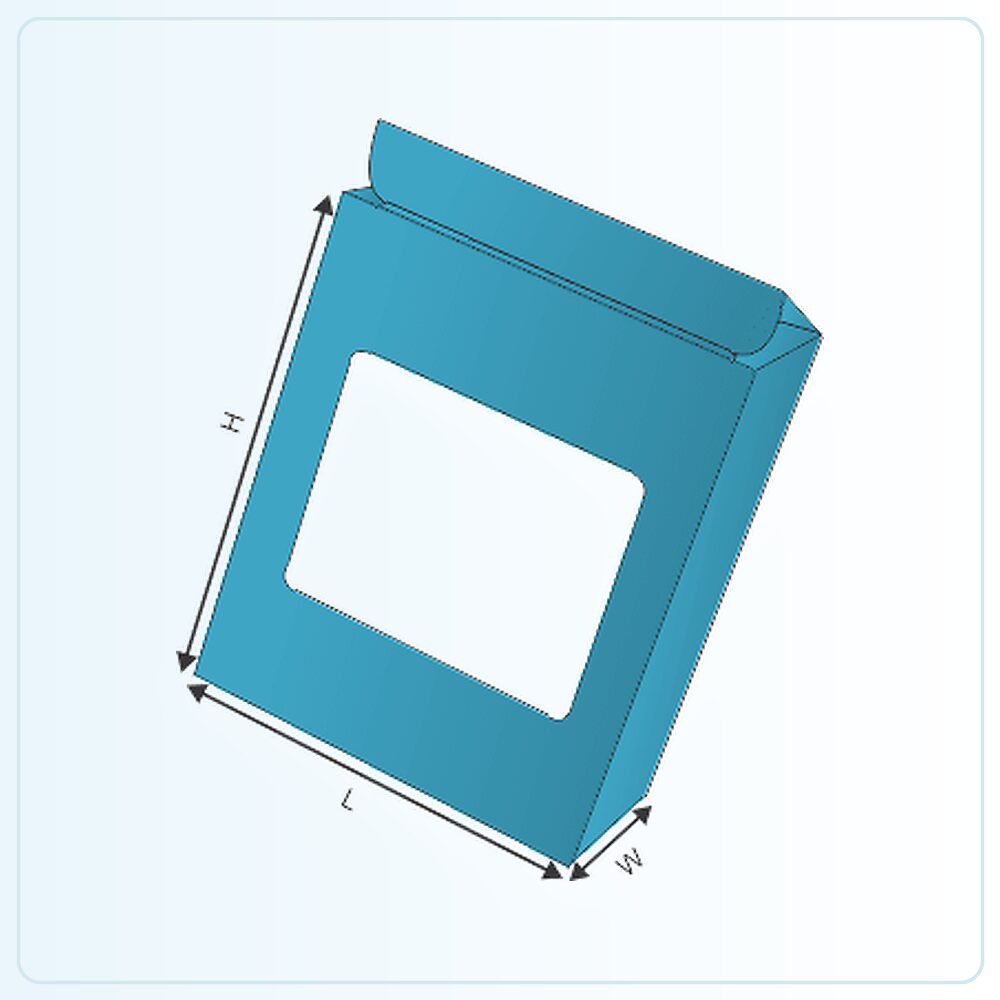
If the product needs a different base, a window or a sealed closure, describe that as a functional requirement. It may justify another construction. A retail carton should also be assessed separately from its outer transit packaging, especially for breakable products or multi-item orders. The right solution is the one that works through the whole journey you have described.
Turn the template into your own specification
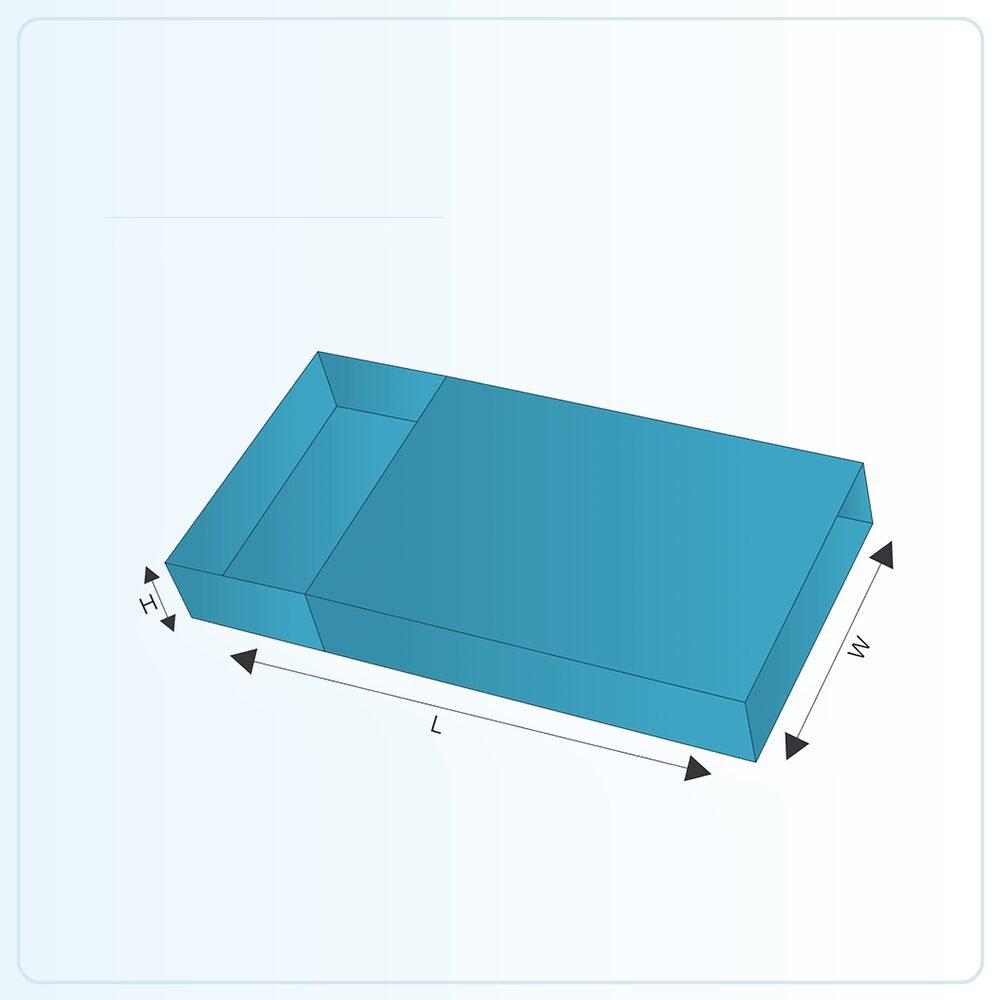
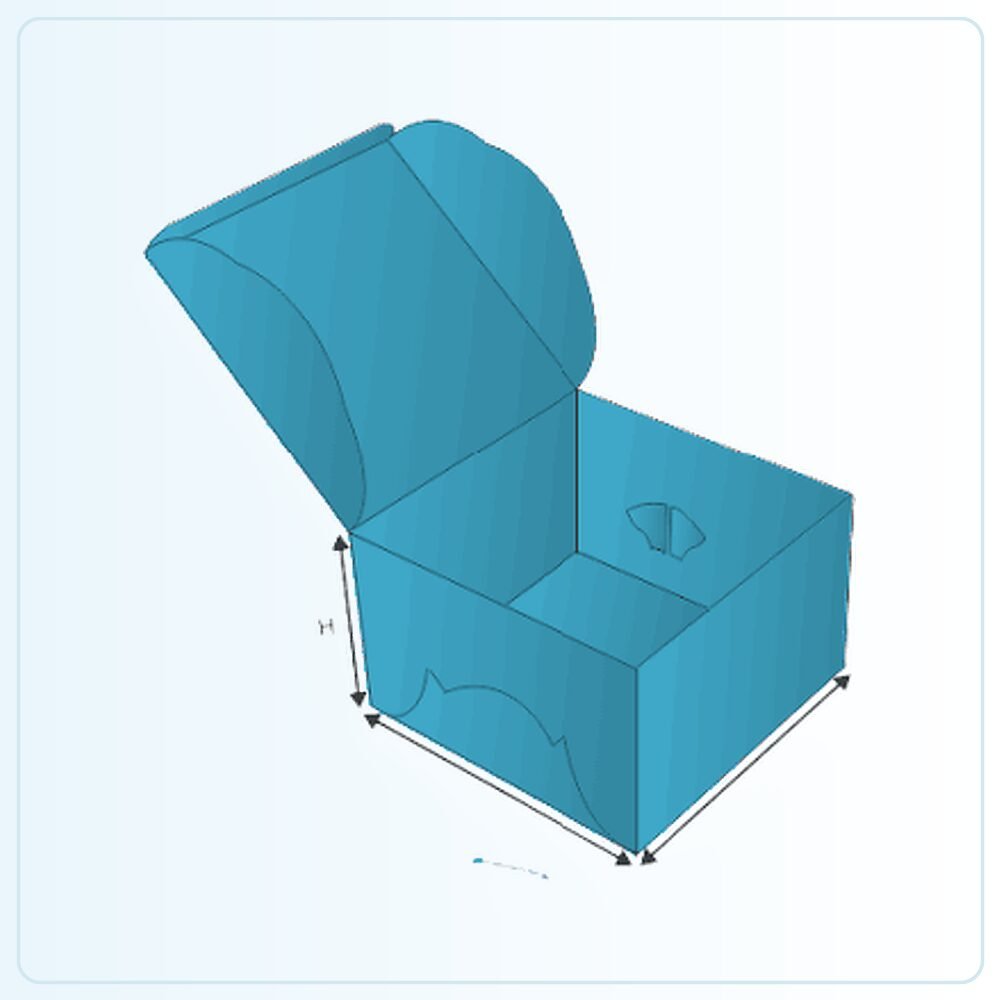
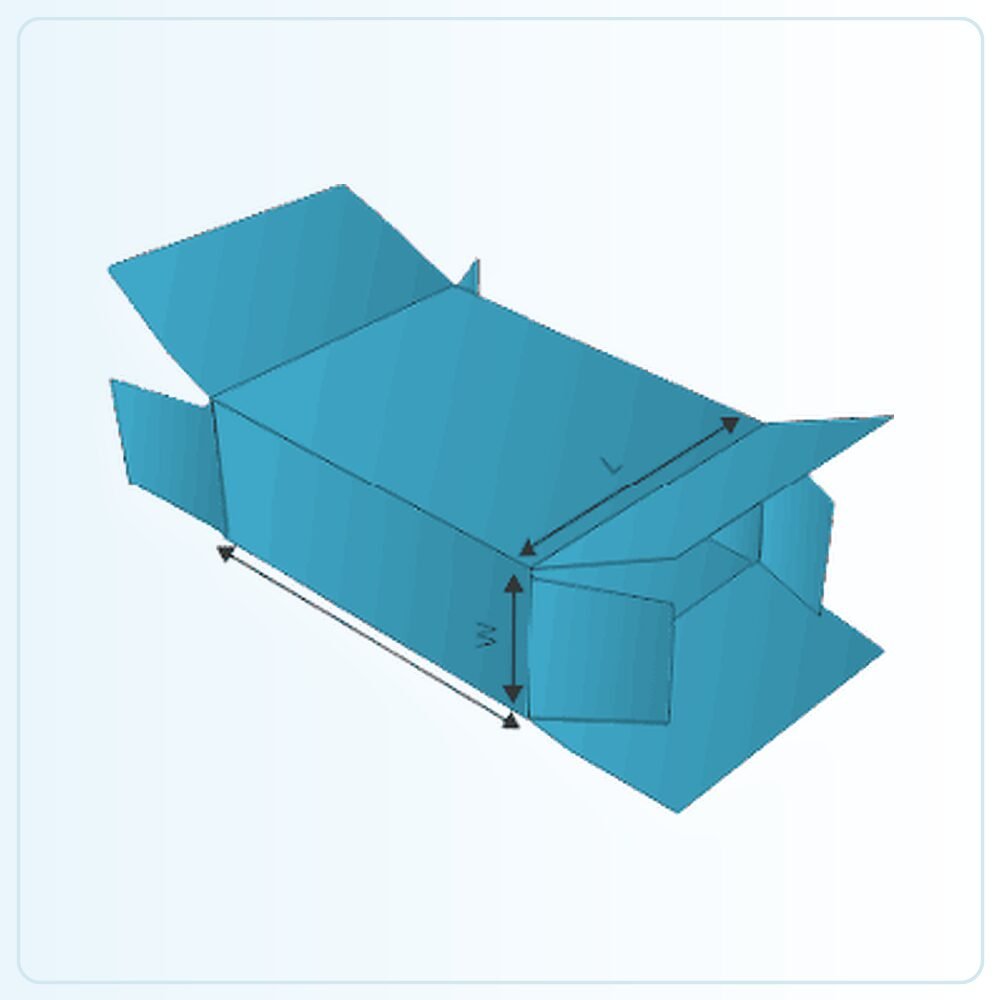
The illustration is a starting point for a made-to-order pack. It is not a production drawing that should simply be enlarged until your product appears to fit. Share the finished product measurements, packed weight and any inner components so the structure can be assessed at the size you actually need. Mark whether your measurements describe the product, the space inside the box or the outside of an existing pack.
Check the sample, not just the screen
A physical sample is available for £25 delivered. Agree what that sample will represent: the construction, material, printed appearance or a particular combination. A plain structural sample answers different questions from a finished printed example. Fill it with the actual product and include every insert, leaflet, wrapper or accessory that belongs in the final pack.
Ask the person who normally packs your orders to try it. Check the sequence of assembly, how comfortably the item goes in and how the customer removes it. Write down the changes you need before approving the next stage. If the pack will travel through a delivery network, assess the complete parcel rather than judging protection from an empty retail carton.
Get a clear price for the complete job
Orders start from 100 units. Our quoted prices include VAT and doorstep delivery. Usual production and delivery is 6–9 days; confirm the actual schedule for your agreed specification and target date. Tell us your delivery postcode, artwork status and any deadline when requesting a quote.
The useful comparison is the same structure, size, board, printing, finish and quantity. Ask for alternatives if you need to work towards a budget, and have any setup or additional components identified in the written quotation. Send your brief and we can help you settle the practical details before committing to the run.
Compare reverse tuck boxes, reverse tuck window boxes, or request a packaging quote for this style.