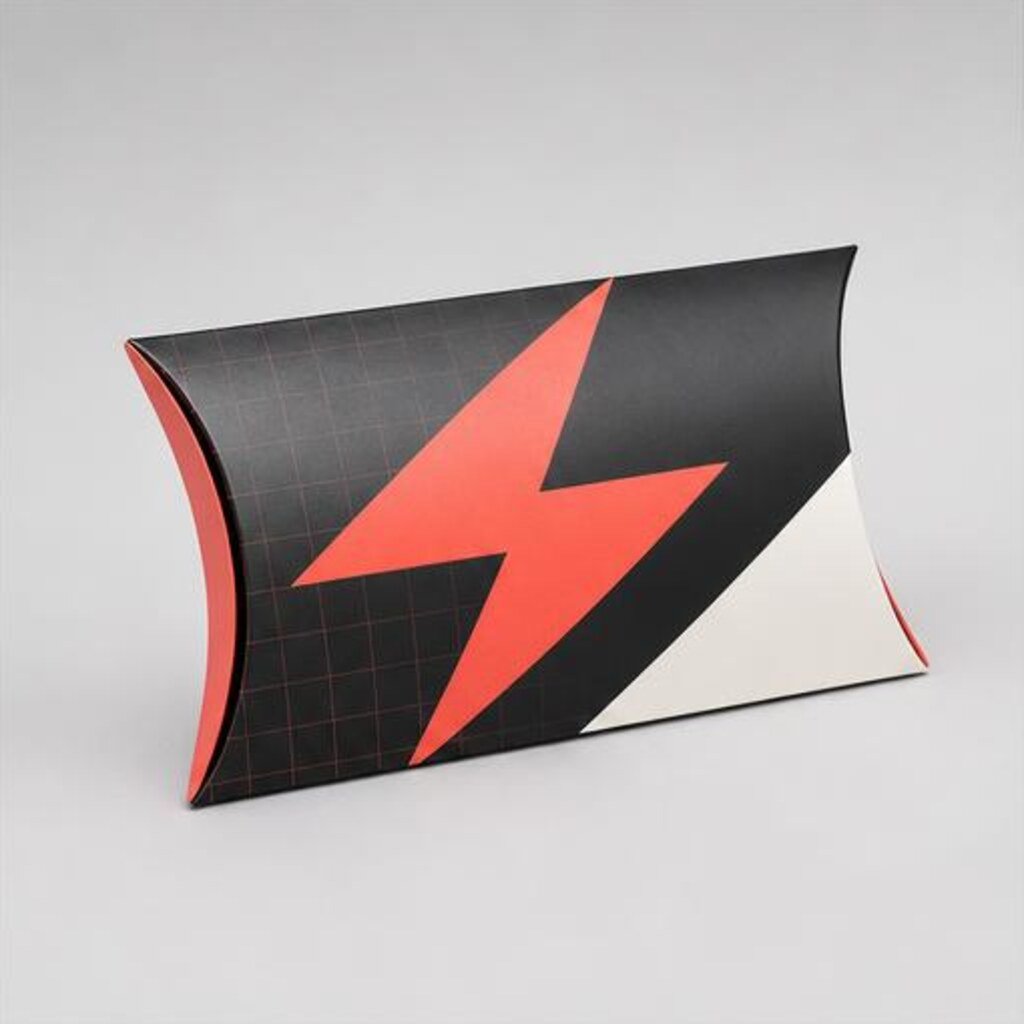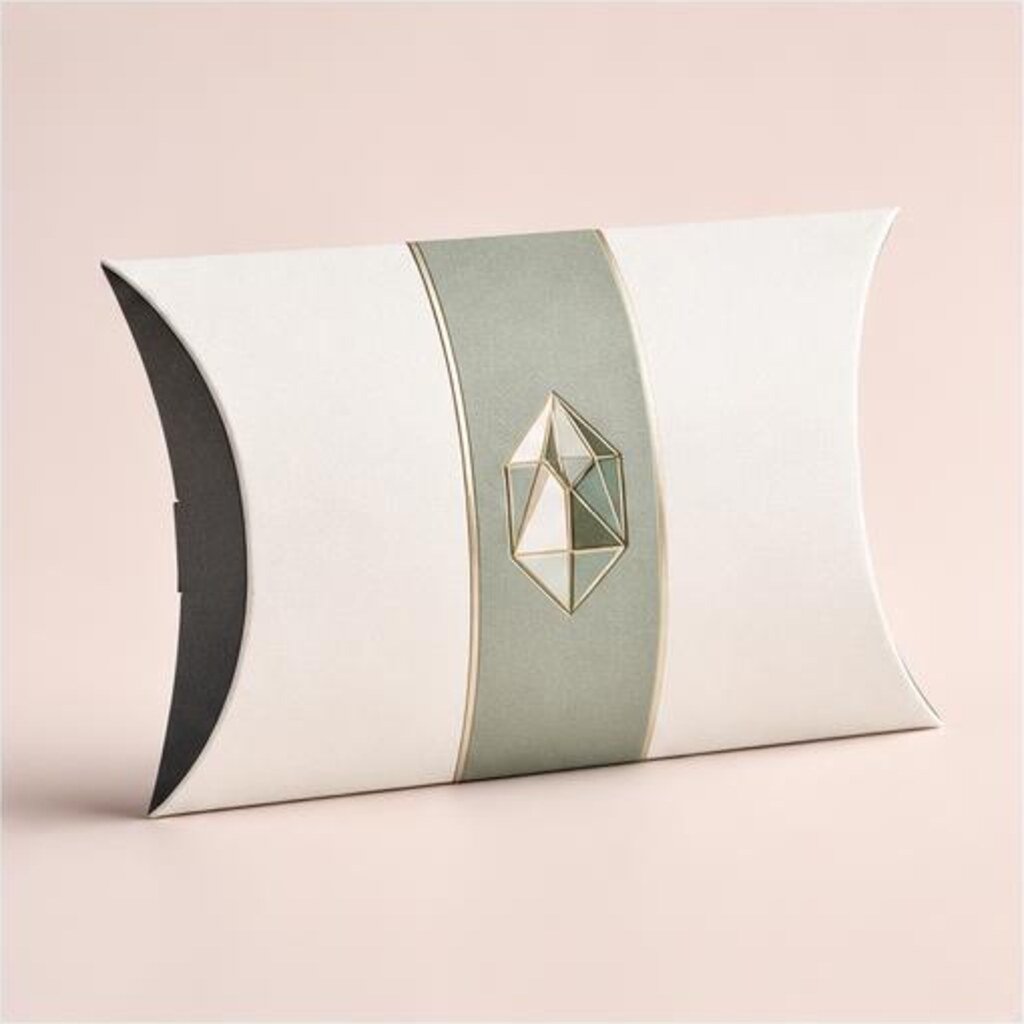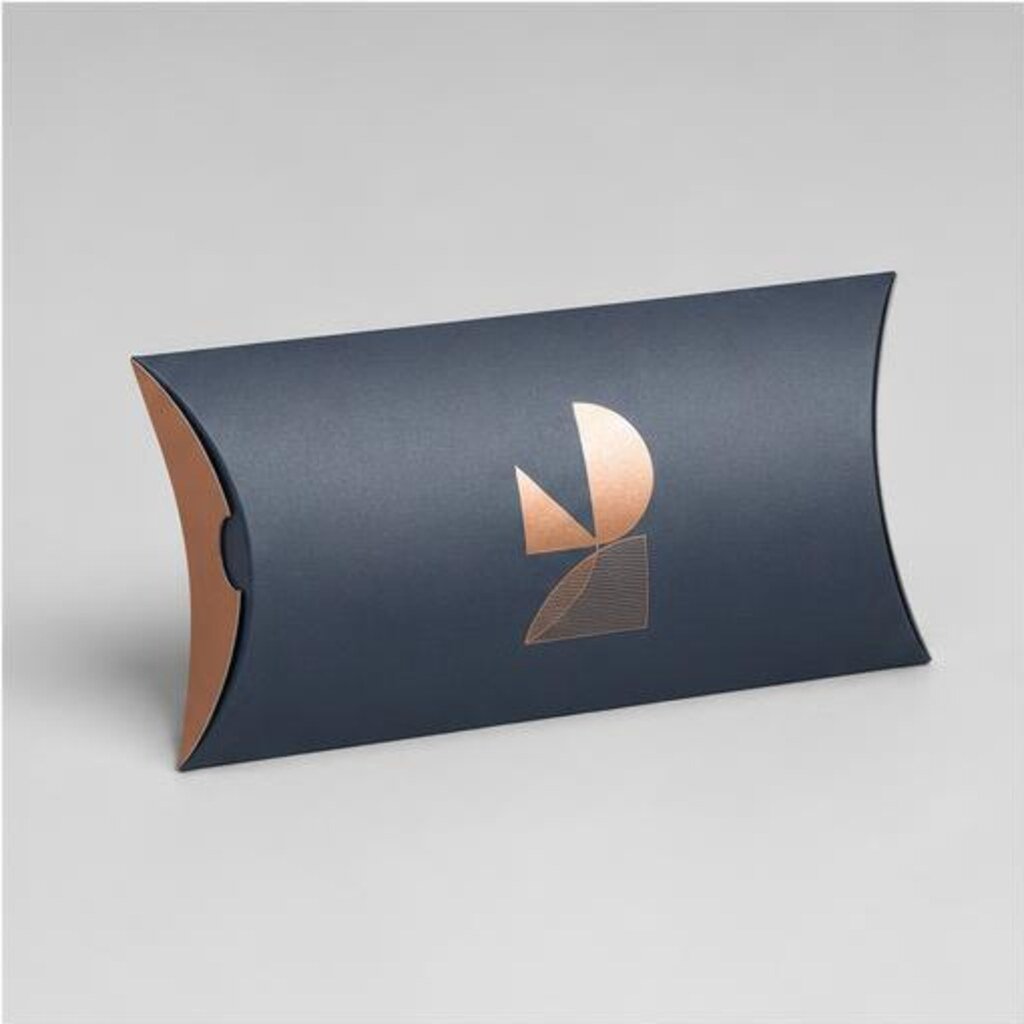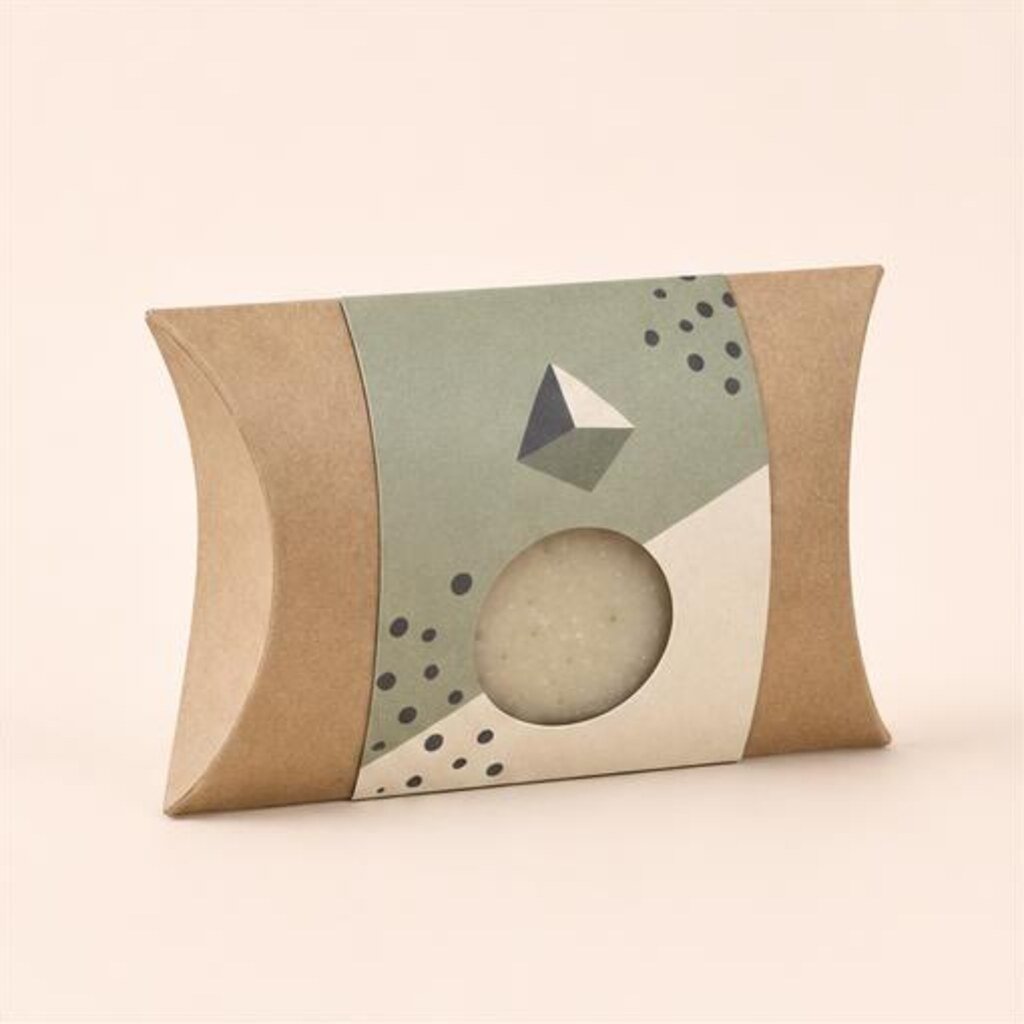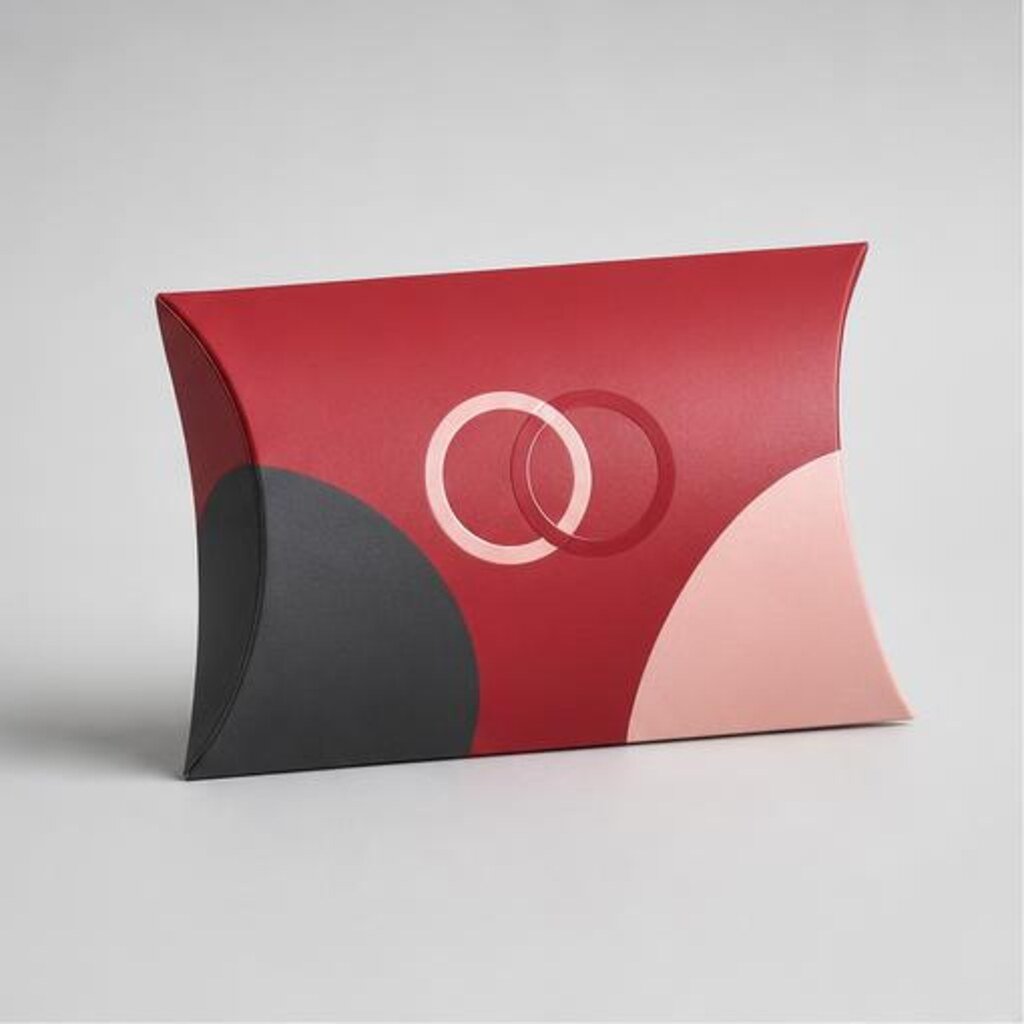
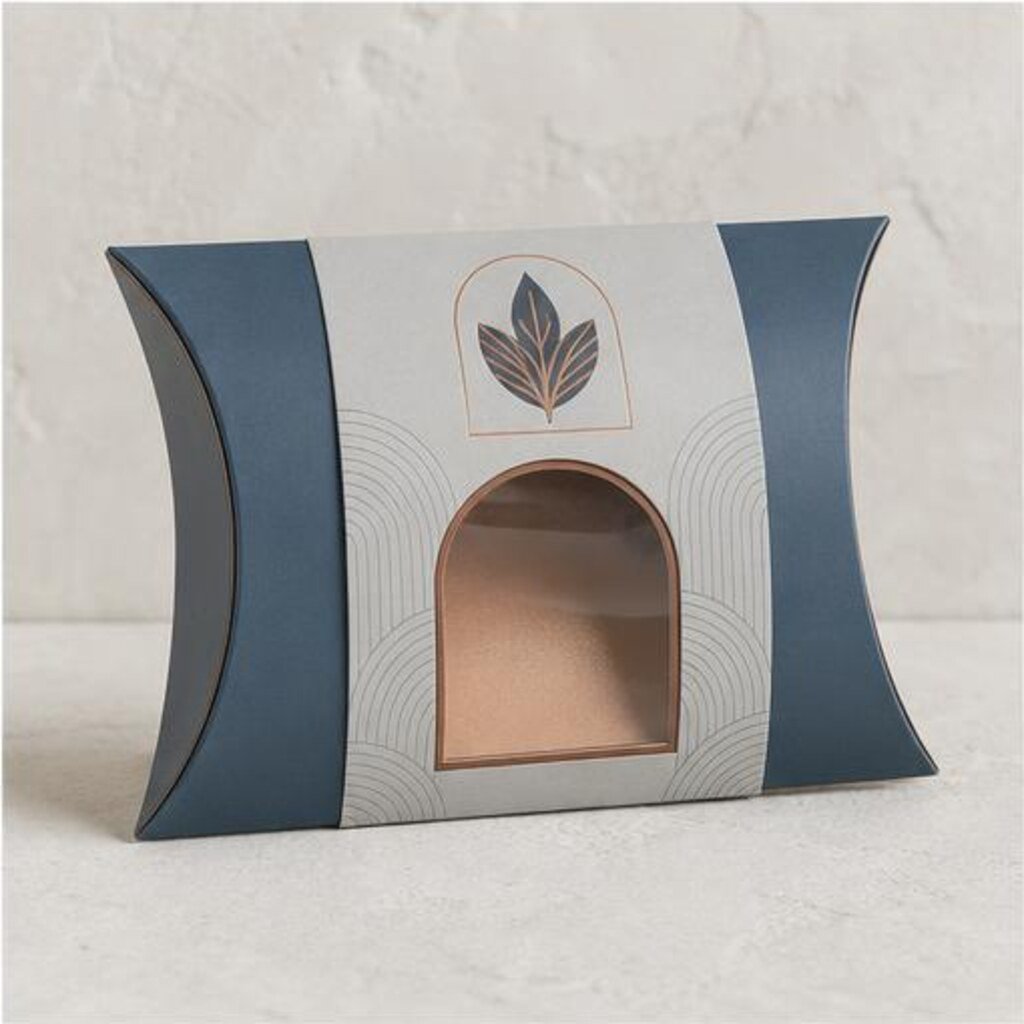
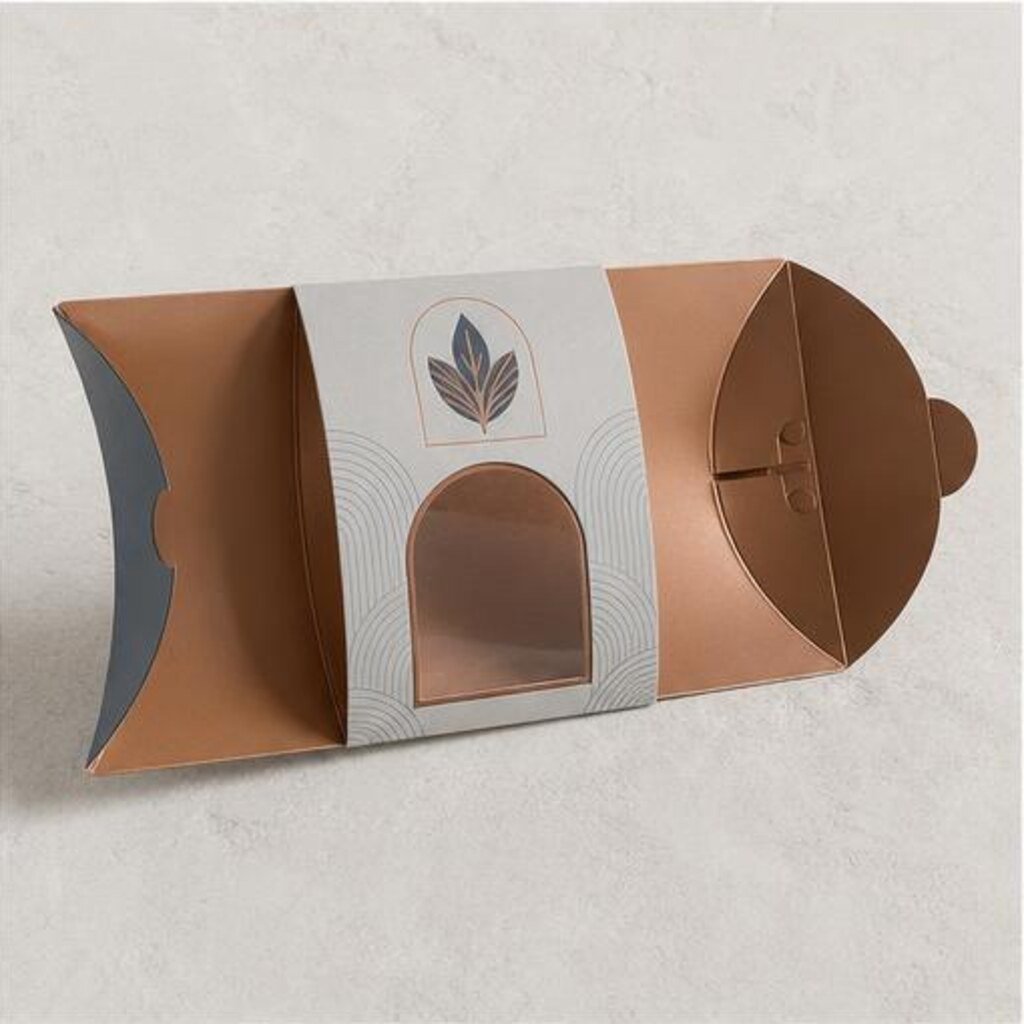
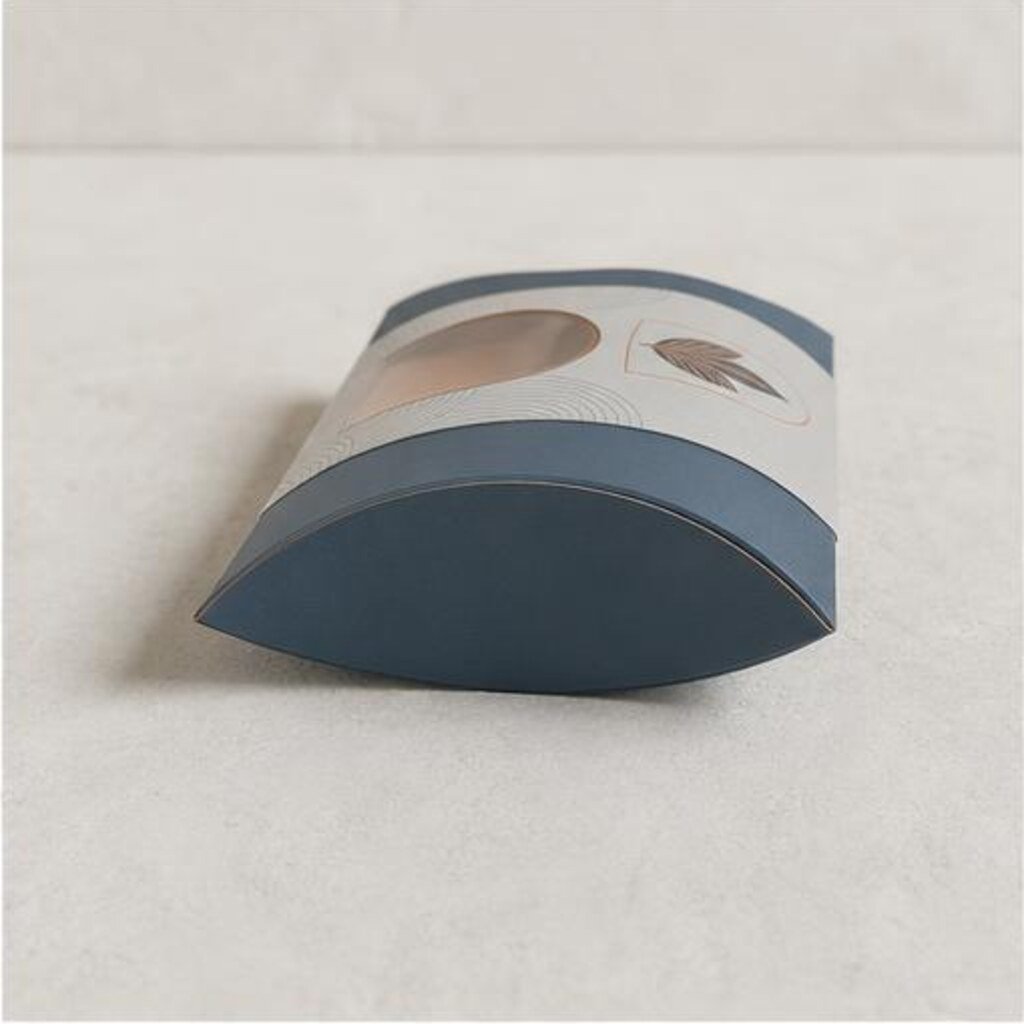
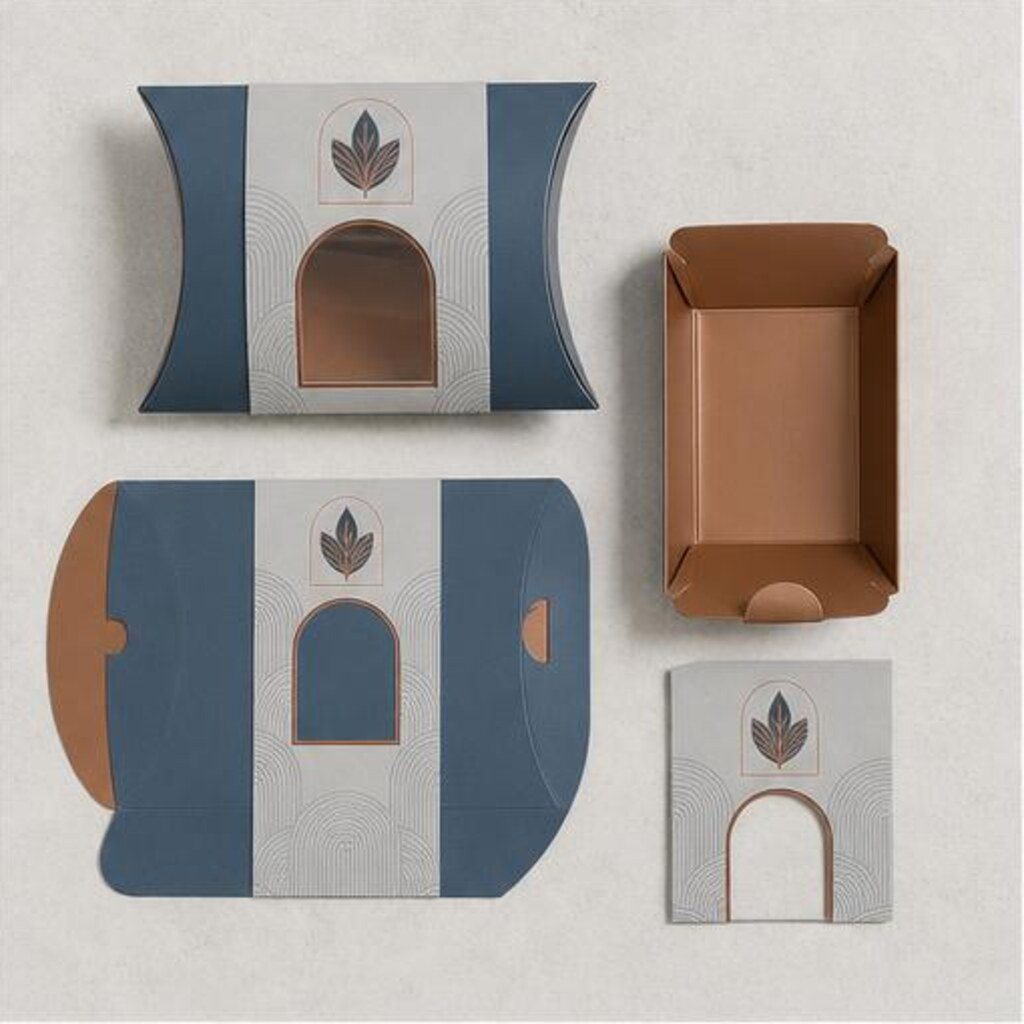
Pillow boxes take their name from their gently curved, pinched ends, and the window version adds a clear aperture across the face so shoppers can see what sits inside before the box is opened. That combination suits small retail items, accessories and gift lines that benefit from being visible on a shelf or peg.
Where the window earns its place
The size and placement of the aperture do most of the work here. A larger window shows more of the product but leaves less surface for print, while a smaller cut-out frames a single detail and keeps room for branding. Think about how the item sits inside, since a curved profile can leave gaps that make the contents look loose.
Deciding on size and print
These boxes are made to your custom size, so measure the product and allow a little tolerance for an easy fit. Print coverage is your call, from a light one-colour design to a fully printed exterior.
- Match window shape and size to the product on view
- Confirm curved-end depth suits the item's thickness
- Set print coverage around the window aperture
Ordering and artwork
When you supply artwork, keep in mind that the film covering the window reflects light, so avoid placing critical text directly across the aperture. It is also worth deciding early whether a single design serves your whole range or whether variants need their own print. Working these details out at the quoting stage keeps the finished boxes consistent.
If you are unsure how the finished box will hold your product, ask about a sample before committing to a full run.