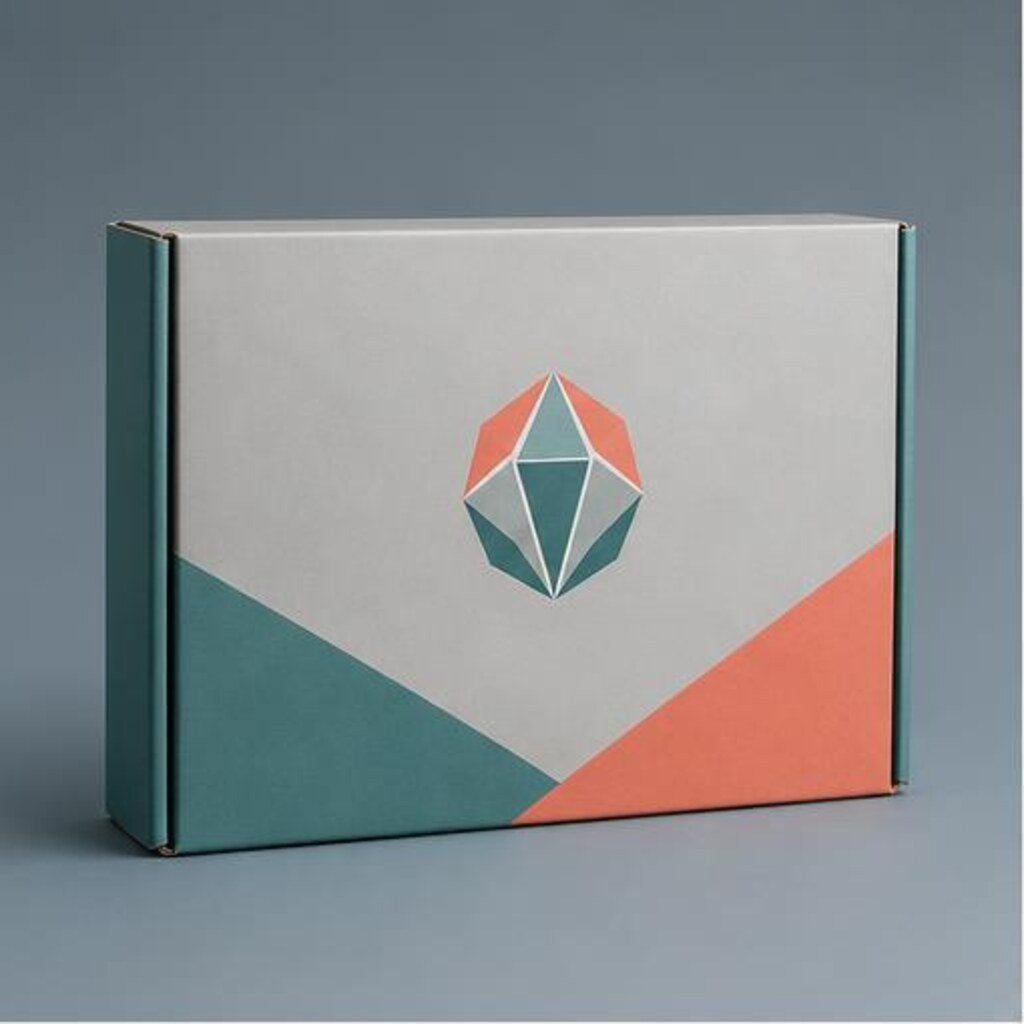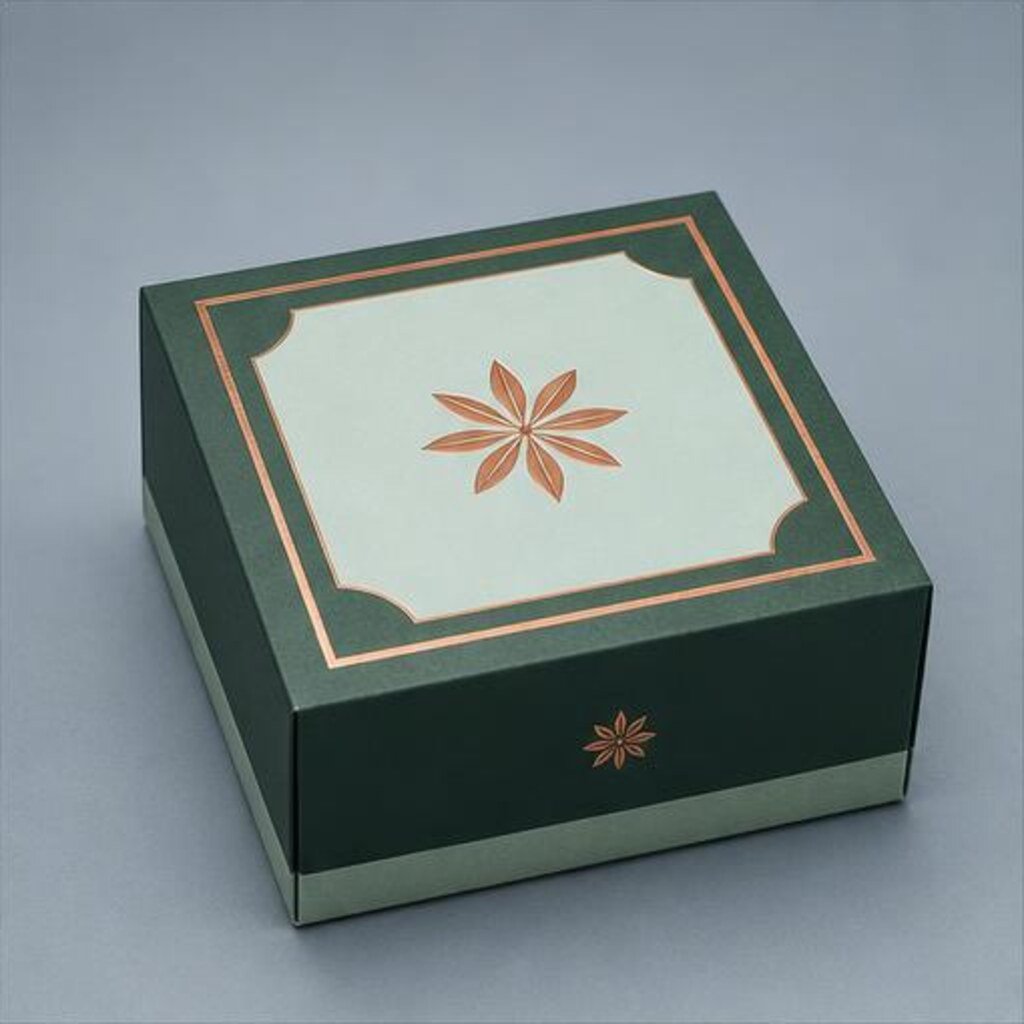
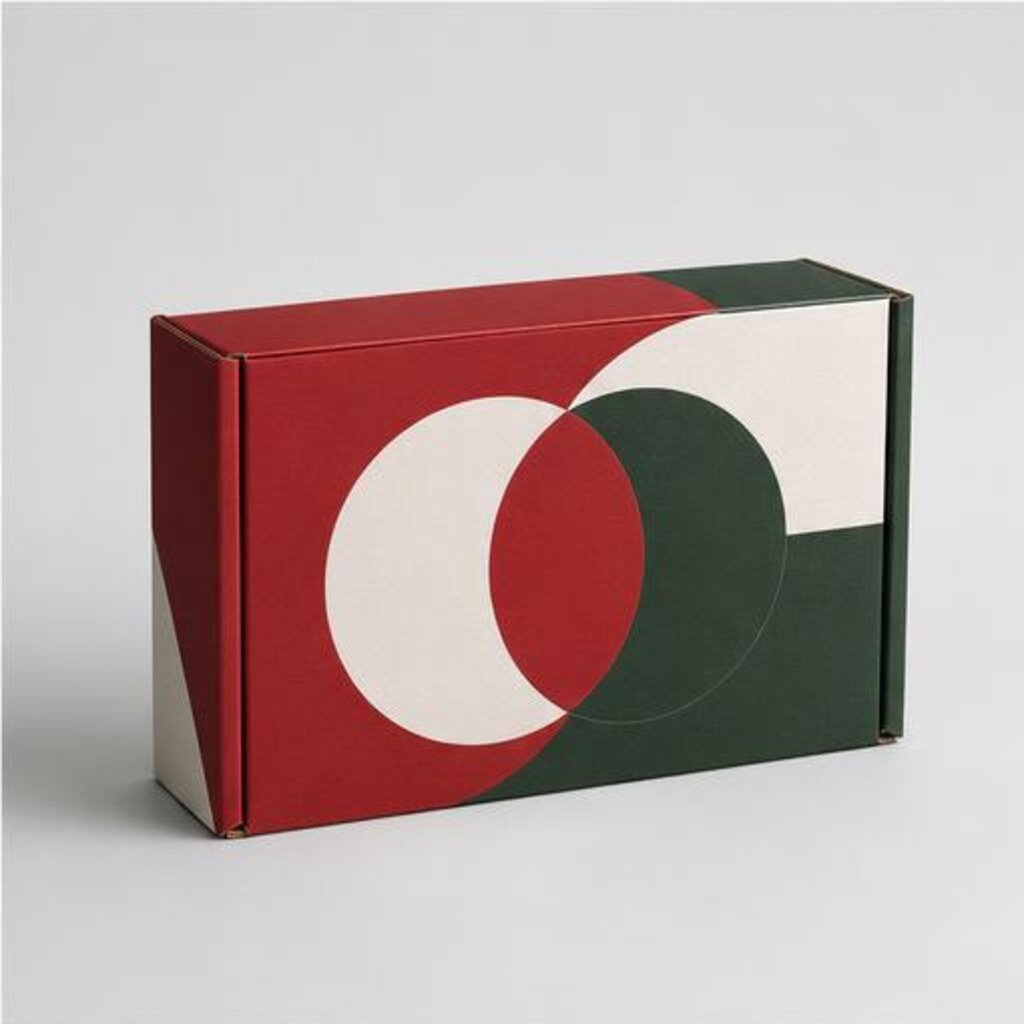
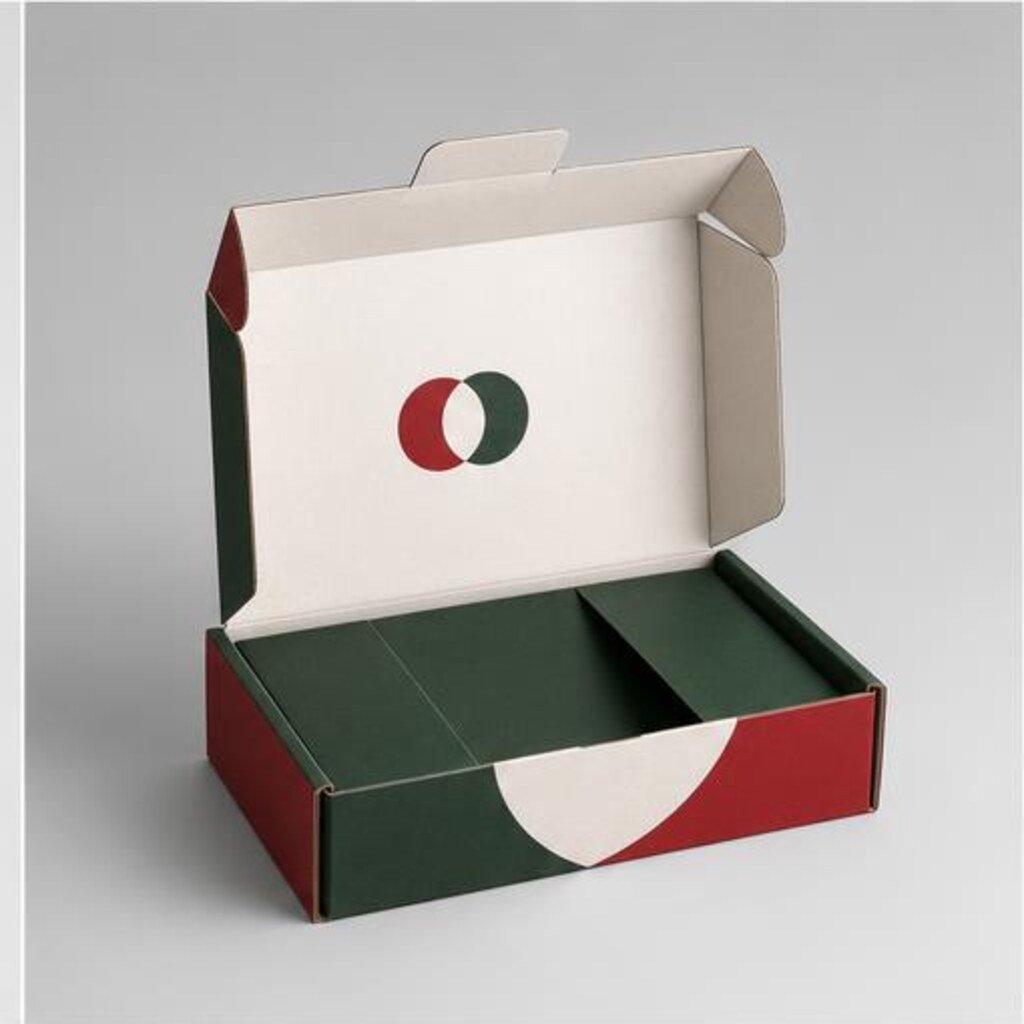
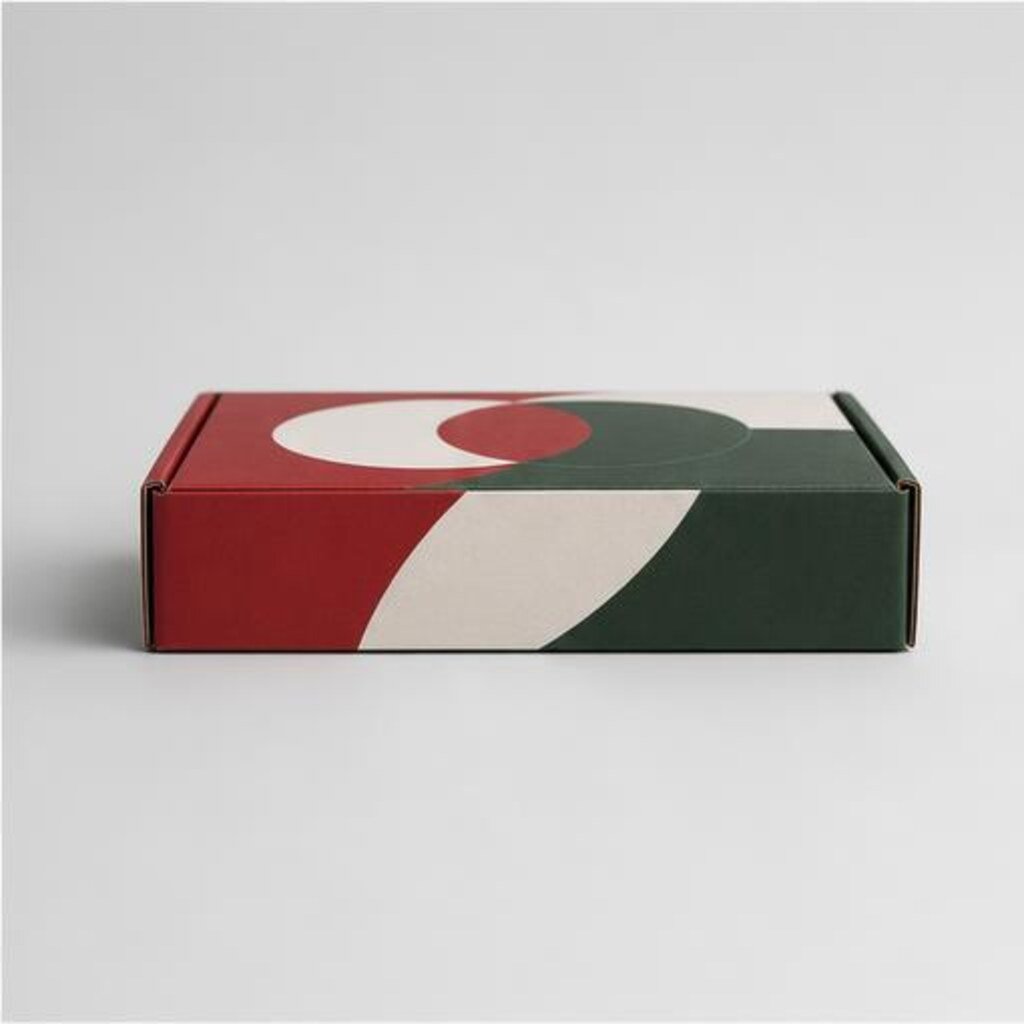
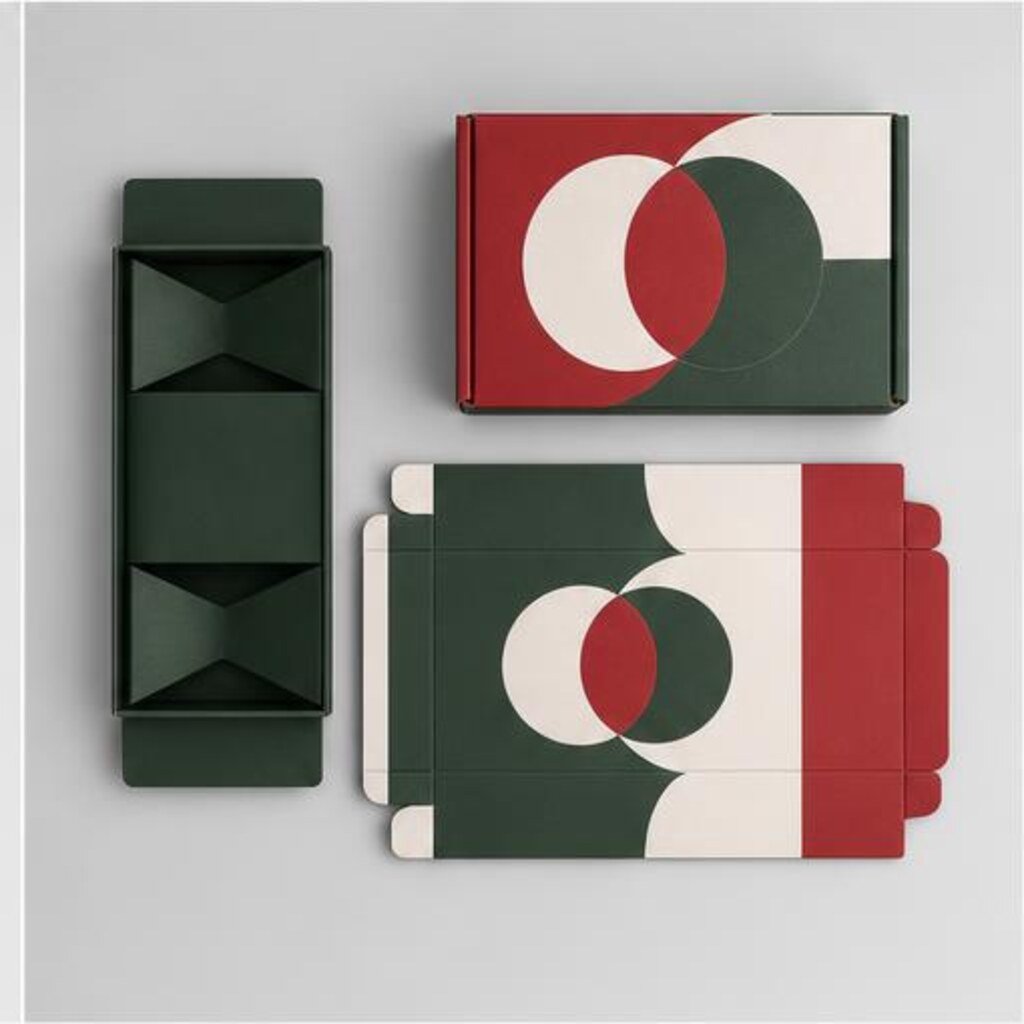
Rectangular shipping boxes suit orders that are longer than they are wide: framed prints, bottled goods, apparel bundles and multipacks that would rattle inside a cube. Getting the internal length right is the single decision that most affects transit performance, because a close fit reduces the void fill you buy and the movement that causes scuffs and crushed corners. An elongated box also carries and stores differently from a cube, so it is worth picturing how a batch will sit on a shelf or in a delivery cage before you settle the proportions.
Sizing for the courier network
These boxes are made to your custom size in corrugated cardboard, so you can dimension the box around the product rather than forcing the product into a stock size. Think about how the carton behaves on a conveyor and in a stacked cage: a taller rectangular profile needs enough board strength to resist top load, while a shallow one benefits from a secure closure that keeps the flaps from springing open. If several products share the same box, size it around the largest common configuration so it works across the range rather than only the smallest order.
Points to confirm before you order
- Internal length, width and depth measured against your packed product
- Single or double wall to match the weight being shipped
- Print coverage: a plain shipper, a printed brand mark, or full outer artwork
If the contents vary in size, request a prototype in your leading dimensions so you can pack a real order and check the fit before committing to a run. That single step catches most fit and closure issues while they are still cheap to change.