A prepared base and a separately sealed end
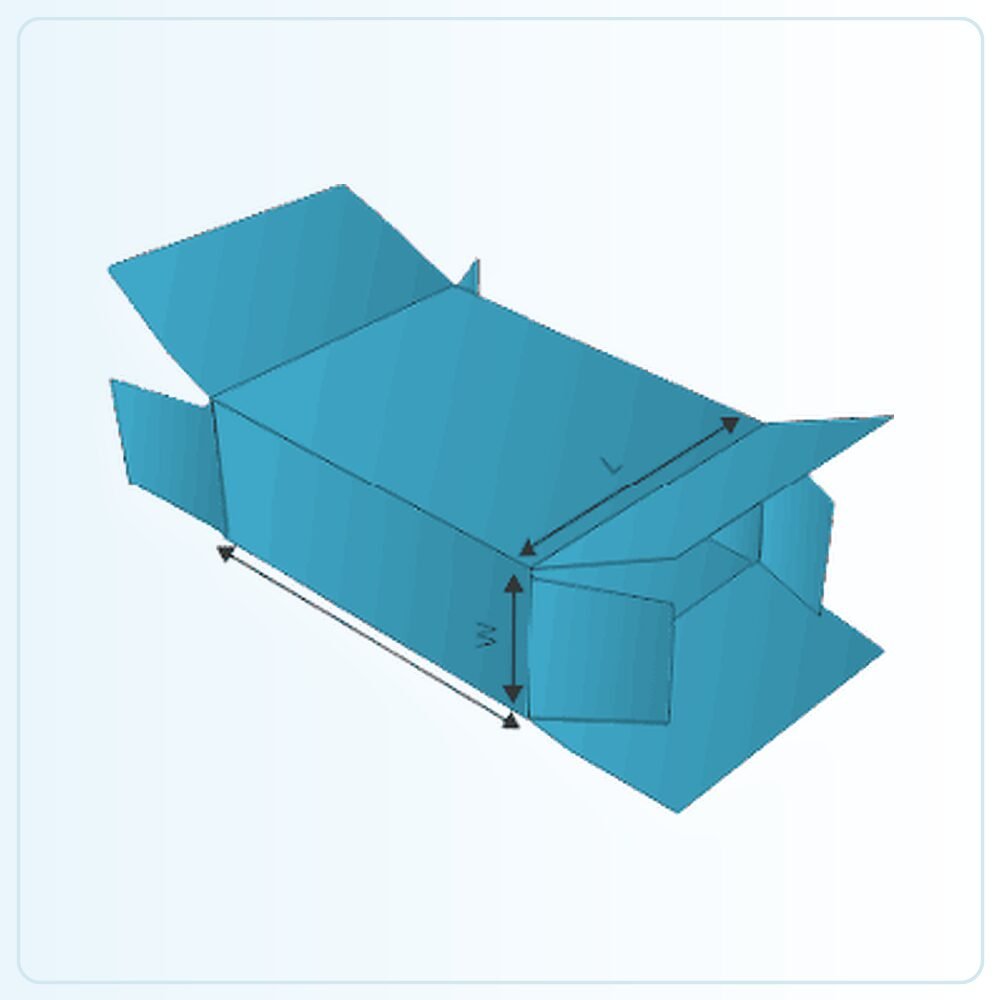
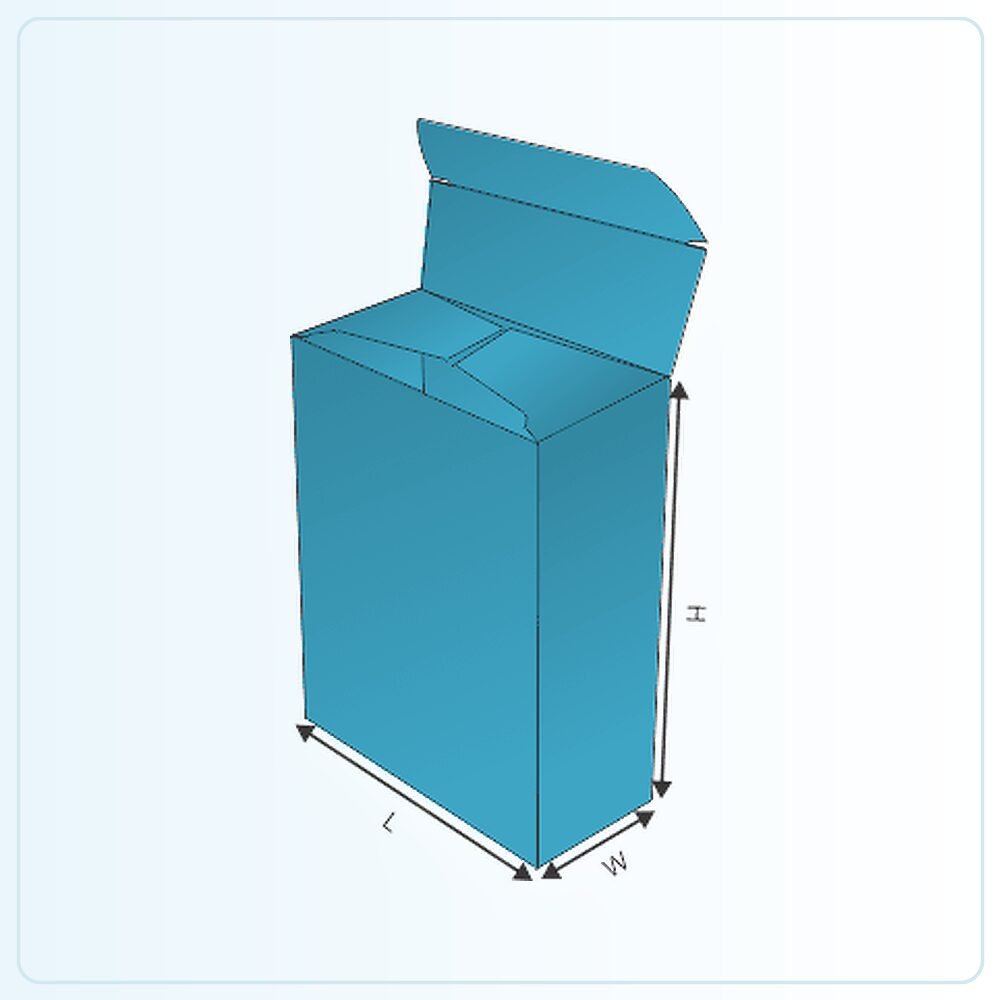
Seal end auto bottom boxes combine an auto-forming lower construction with an upper end intended for the specified sealing process. The base and top are not interchangeable features. One helps form the carton for filling; the other completes the enclosure once the product is inside. That distinction is useful when comparing this style with a fully hand-assembled carton.
An auto bottom is commonly called a crash lock bottom. It should still be opened, squared and checked before use. The presence of a prepared base does not remove the need to assess product weight or the way the load is supported. Describe the contents and packing routine so the specification addresses the actual job.
Check the carton through the complete filling sequence
Begin the sample trial with the pack in its supplied condition. Form the body, inspect the base, place the product and add any inserts or literature. Then carry out the proposed top-closing step. Testing only the empty carton misses the points where a cap, projecting component or tightly fitted insert may interfere with filling.
If your team packs several products in succession, compare how easy it is to identify the correct orientation. A clear front panel and an obvious filling opening can help avoid repeated handling. If a contract packer is involved, ask them to review the sample and drawing rather than assuming the finished appearance tells them how the pack should be assembled.
Plan the top seal around your equipment or hand process
Agree which sealing materials and operations belong at the packing stage. Explain whether the top is closed manually or by equipment, and ask for functional areas to be identified on the drawing. Any printing or finish near those areas should be reviewed with the intended closing method.
Think about opening at the other end of the journey. Is this a single-use enclosure, or will the customer need to keep using the carton? A top seal may suit a one-time opening but create an untidy result if repeated access is expected. Describe the desired opening experience before the construction and graphics are finalised.
Support the product without overfilling the base
The filled weight is only part of the brief. A compact object with a hard foot loads the bottom differently from a larger item spread across the panel. Include the contact area and any support pad when describing the contents. If a fitted insert carries part of the load, it belongs in the agreed packaging specification.
Check the usable height after the base is formed and the top flaps are considered. Do not fill right up to a nominal outer measurement and expect the closure to find its own space. The carton should close without forcing the product down, distorting the body or leaving the sealed end under unnecessary pressure.
Give branding and functional information their own space
Use the main viewing face for the brand and product identifier, then organise supporting text on the remaining panels. For a range, decide which details are fixed and which change between versions. Clearly named artwork files help keep the correct carton matched with the correct product at production and packing stages.
Check the appearance in the closed state. Some flap areas visible on the flat layout will be hidden or overlapped once sealed. Keep information needed after purchase away from an opening area likely to be torn or removed. If barcodes or batch labels are required, plan their positions early instead of squeezing them into the remaining space.
Assess security and delivery as separate requirements
A prepared base and a sealed top do not automatically make a carton tamper-evident, waterproof or suitable for unsupported parcel delivery. State those needs explicitly if they apply. The complete pack may require an inner container, additional seal, cushioning or an outer shipping box depending on the product and route.
When comparing this style with a simpler carton, look at the whole workflow. Base formation may be convenient, but the sealing stage still takes planning. A useful quote should reflect the agreed structure and all relevant components so you can assess both the purchase price and the practical packing method before ordering the full run.
Turn the template into your own specification
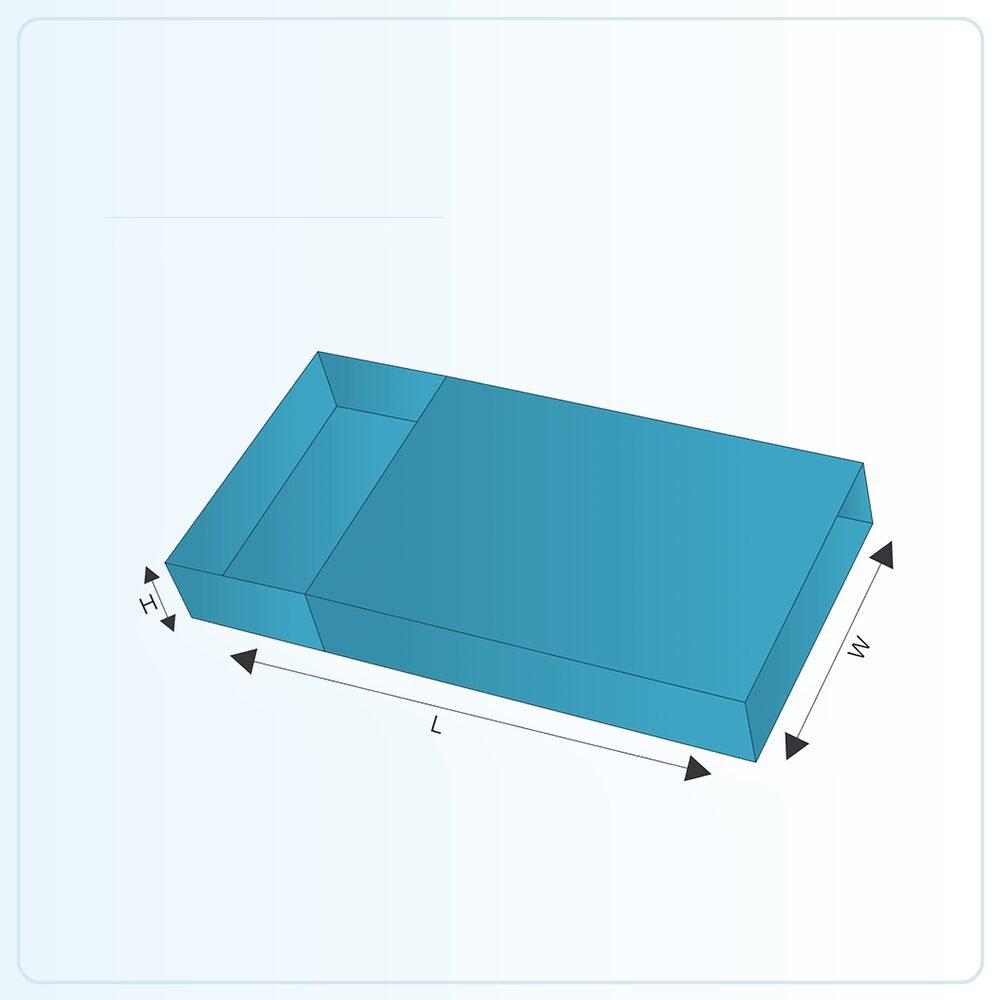
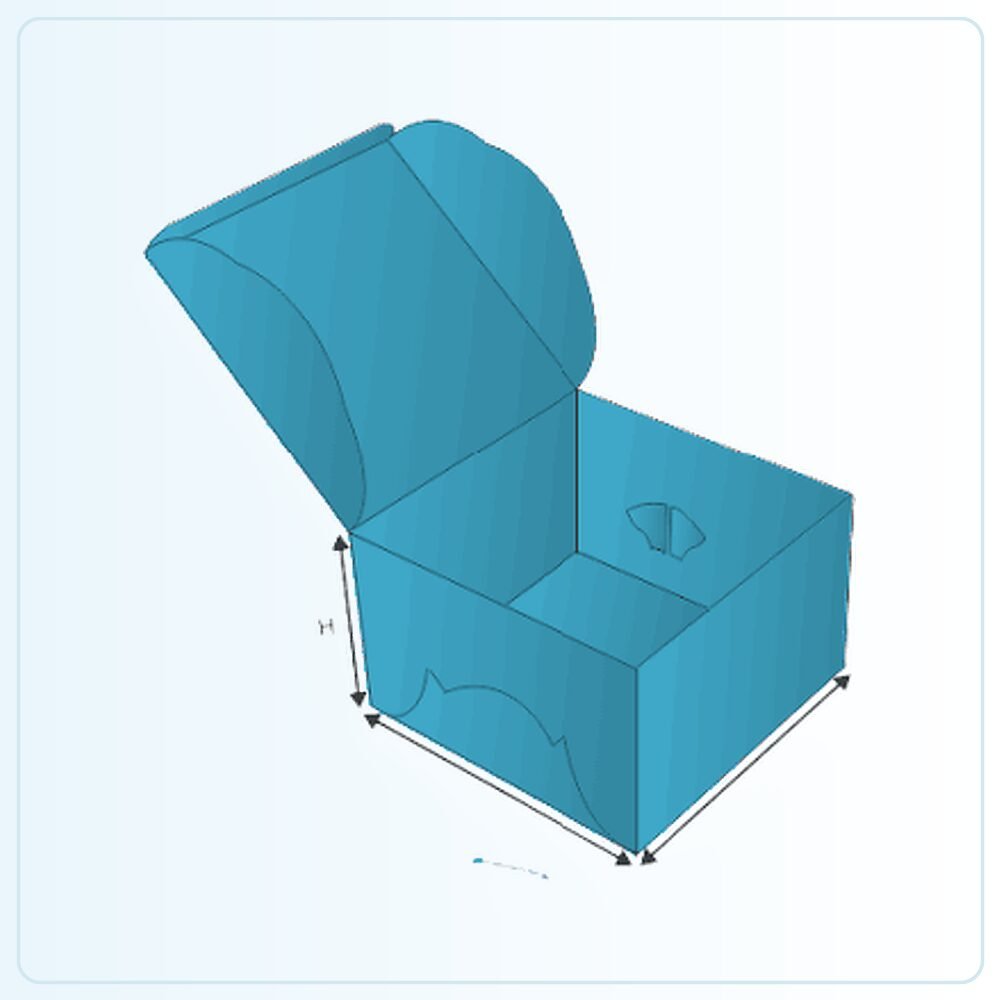
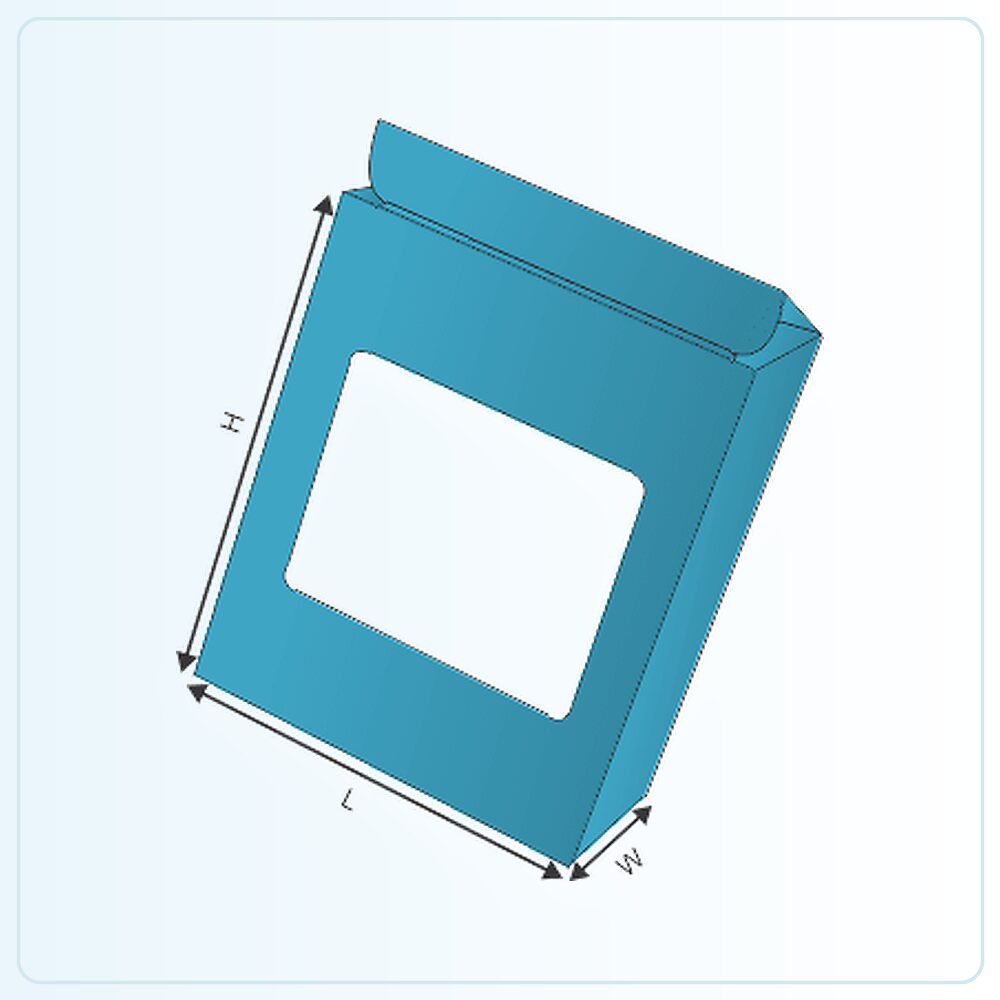
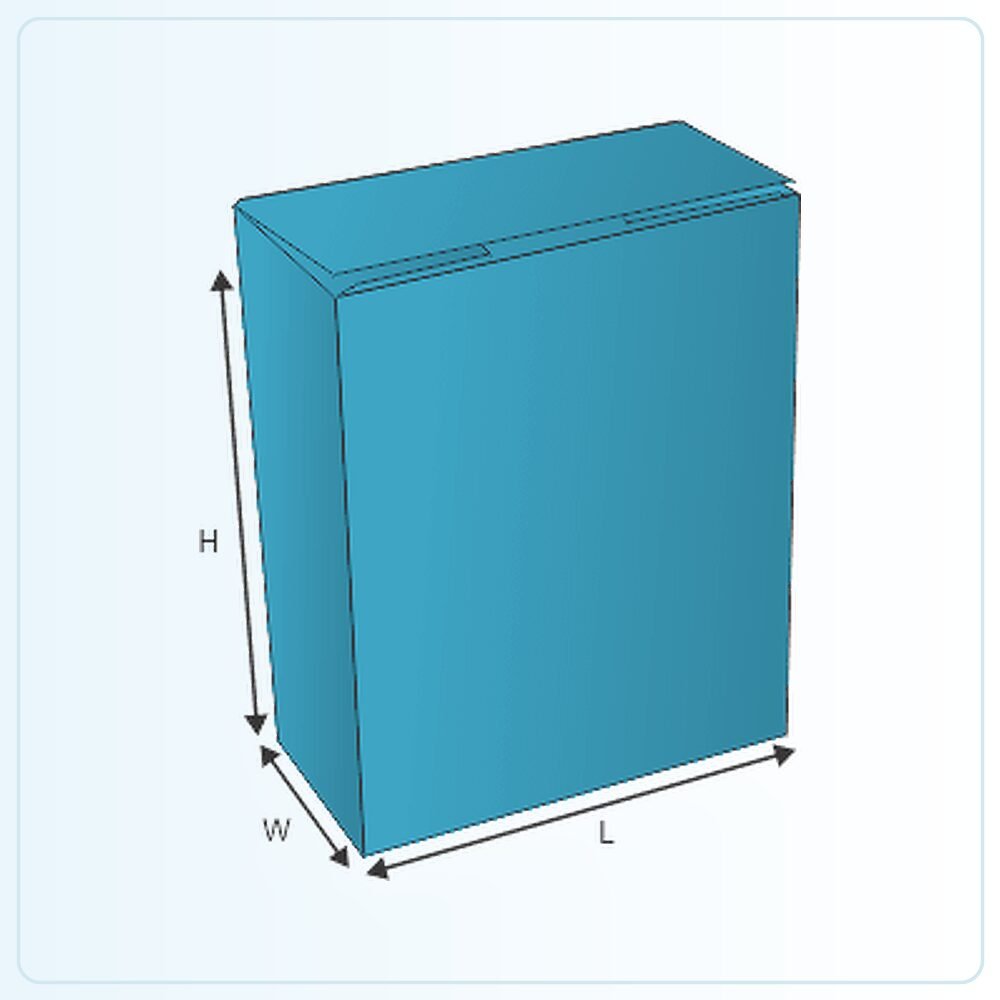
The illustration is a starting point for a made-to-order pack. It is not a production drawing that should simply be enlarged until your product appears to fit. Share the finished product measurements, packed weight and any inner components so the structure can be assessed at the size you actually need. Mark whether your measurements describe the product, the space inside the box or the outside of an existing pack.
Check the sample, not just the screen
A physical sample is available for £25 delivered. Agree what that sample will represent: the construction, material, printed appearance or a particular combination. A plain structural sample answers different questions from a finished printed example. Fill it with the actual product and include every insert, leaflet, wrapper or accessory that belongs in the final pack.
Ask the person who normally packs your orders to try it. Check the sequence of assembly, how comfortably the item goes in and how the customer removes it. Write down the changes you need before approving the next stage. If the pack will travel through a delivery network, assess the complete parcel rather than judging protection from an empty retail carton.
Get a clear price for the complete job
Orders start from 100 units. Our quoted prices include VAT and doorstep delivery. Usual production and delivery is 6–9 days; confirm the actual schedule for your agreed specification and target date. Tell us your delivery postcode, artwork status and any deadline when requesting a quote.
The useful comparison is the same structure, size, board, printing, finish and quantity. Ask for alternatives if you need to work towards a budget, and have any setup or additional components identified in the written quotation. Send your brief and we can help you settle the practical details before committing to the run.
Compare seal end packaging boxes, full flap auto bottom cartons, or request a packaging quote for this style.