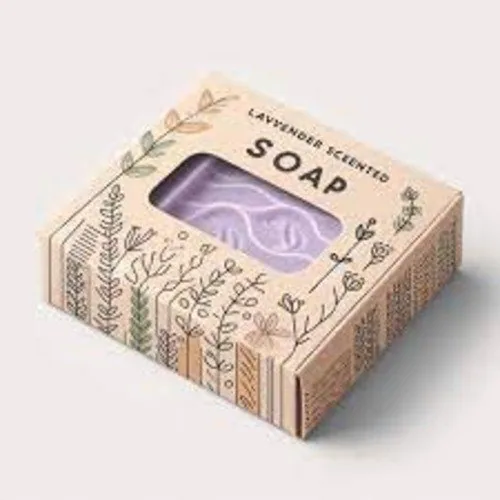
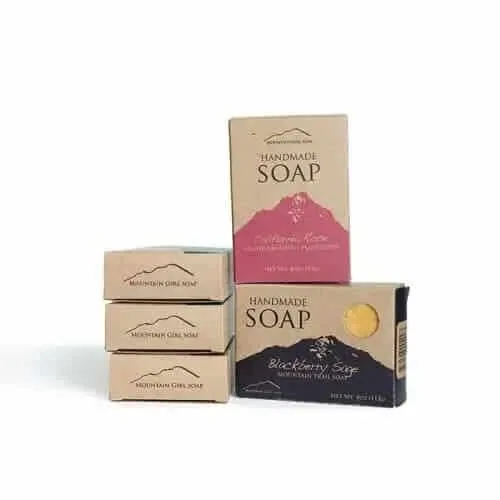
Handmade soap boxes that leave room for the character of your bars
An uneven top, a swirl of colour or a carefully stamped face can be part of what customers love about handmade soap. The box should present those details well and fit the finished product comfortably. It should also give you a sensible place for branding and the information people need when choosing a bar.
We work from your packaging brief, whether you sell at markets, supply independent shops or pack orders from a small studio. Tell us how your bars are made and presented, then we can discuss a structure that suits your product and your packing routine.
Measure the soap you actually sell
Take measurements from finished sale-ready bars rather than the mould or an early batch. Check several examples, particularly if cutting by hand. Note the longest, widest and tallest normal bar, and tell us about any deliberately raised tops, petals or decorative shapes.
If you wrap the soap, measure it with that layer in place. A folded paper seam can affect how easily the bar slides into a narrow carton. Avoid choosing a tight fit simply because it looks neat in a drawing; the person packing the soaps needs room to work without marking the product.
A sleeve, window or complete carton?
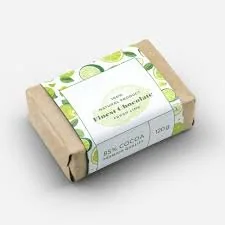
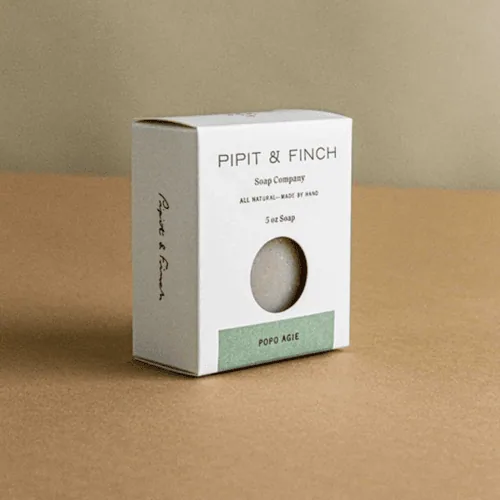
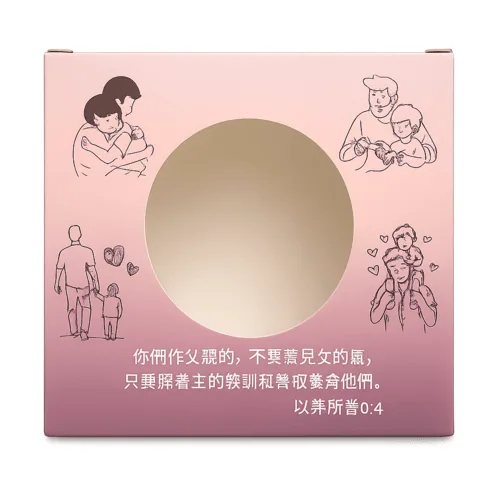
A sleeve lets the soap itself do more of the talking and can work well when the surface is attractive and the product is otherwise appropriately protected. A window gives a glimpse within a fuller carton. A closed box provides more uninterrupted space for the artwork and product text.
Compare soap sleeves and window soap boxes if you want customers to see the bar. Neither choice replaces checking whether the soap needs its own protective wrap. The appropriate packaging depends on the formula, storage conditions and how the product is handled.
Keep soap preparation separate from box selection
Cold-process soap should complete its required cure before final wrapping and packing. Melt-and-pour bars can have different moisture-protection needs. A paperboard carton alone should not be treated as a moisture barrier. See Bramble Berry's soap storage guidance for the distinction, then check the packaging against your own formula.
When assessing a sample, use the soap and wrapper you intend to sell. Check fit, surface contact and any visible marks after an appropriate storage trial. If your bars have a high-fragrance or oily surface, mention that when discussing the specification so the team understands the conditions the packaging must handle.
Let the design sound like your business
You do not need a complicated print design to explain an artisan range. A recognisable brand mark, a readable fragrance name and a little breathing room can make the front panel easier to understand. The quieter areas of the box can carry your product story without overwhelming the useful information.
If your soaps change seasonally, consider which design elements should remain consistent. A shared format with different variant artwork can help the collection feel connected. Ask about quantities per version rather than assuming every fragrance can be included in one small run at the same price.
Make packing part of the sample check
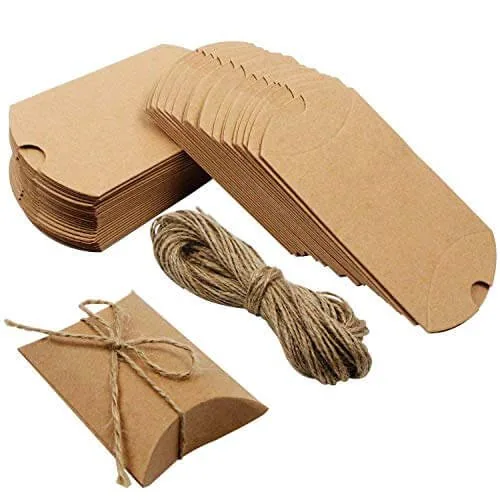
Try assembling and filling several sample packs in the way you normally work. Check whether the flap is easy to close, whether a wrapped bar catches on an edge and whether the finished boxes stand neatly together. These are small details, but you will notice them when packing a full batch.
For deliveries to customers, plan a suitable outer pack as well. The retail box and the postal packaging serve different purposes. Tell us whether you send single bars, bundles or mixed gift orders so we can discuss the whole brief.
Custom orders start from 100 boxes. Usual production and delivery is 6–9 days, subject to the agreed schedule, and your quote includes VAT and doorstep delivery. A £25 delivered physical sample is available, with contents confirmed first. Send your bar dimensions and a photograph and we can help you choose a practical starting point.