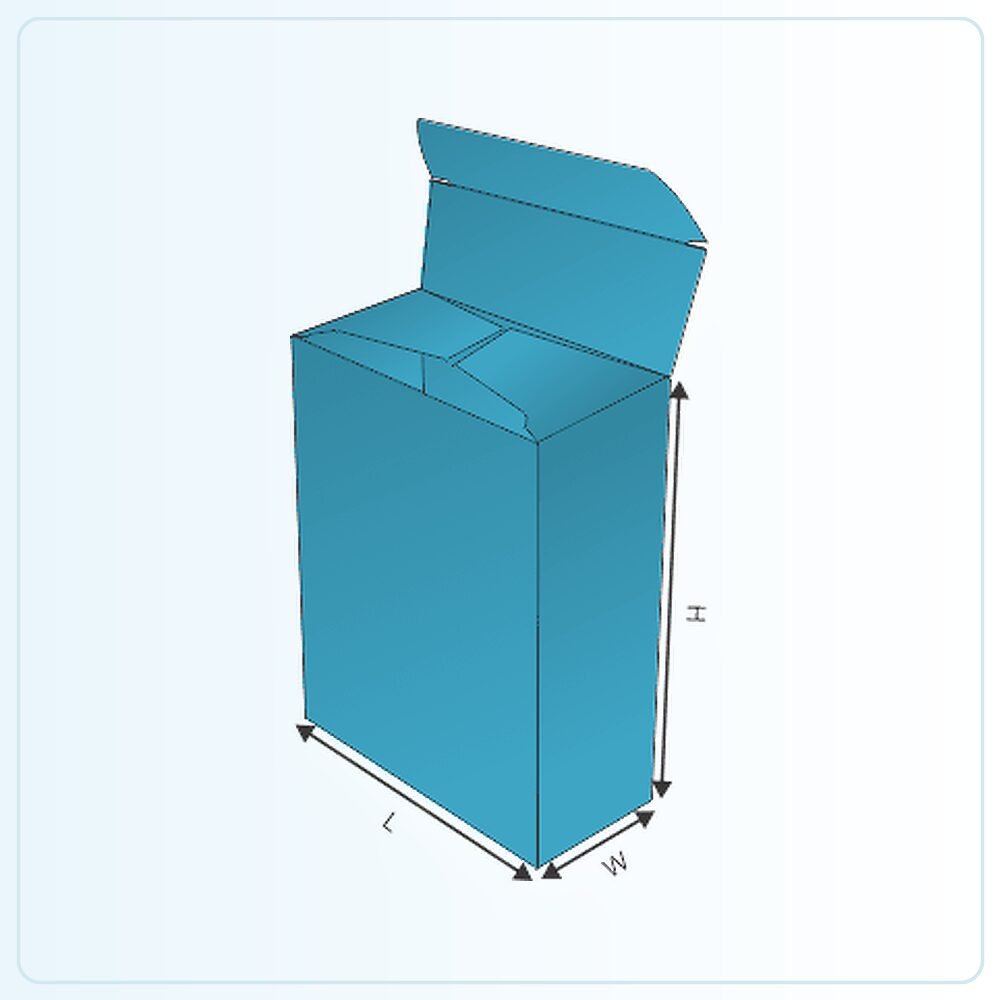
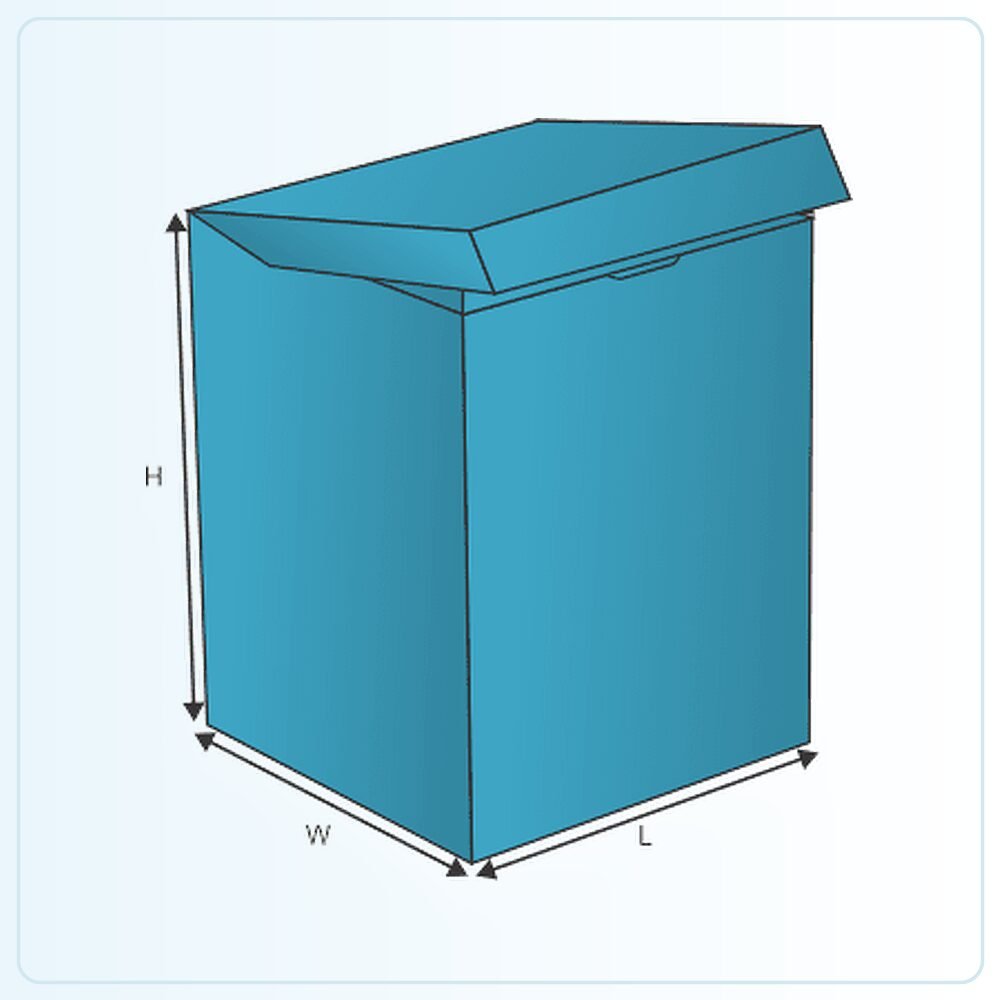
Two closures with different jobs
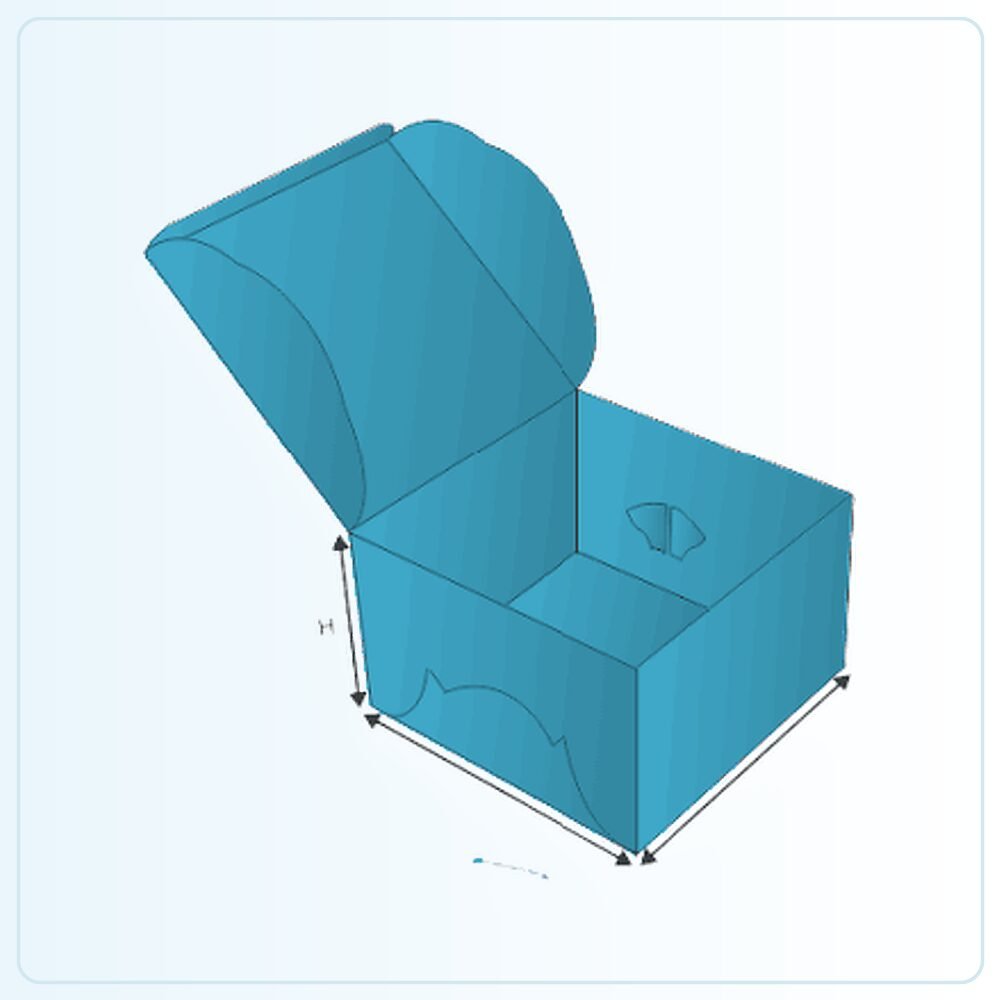
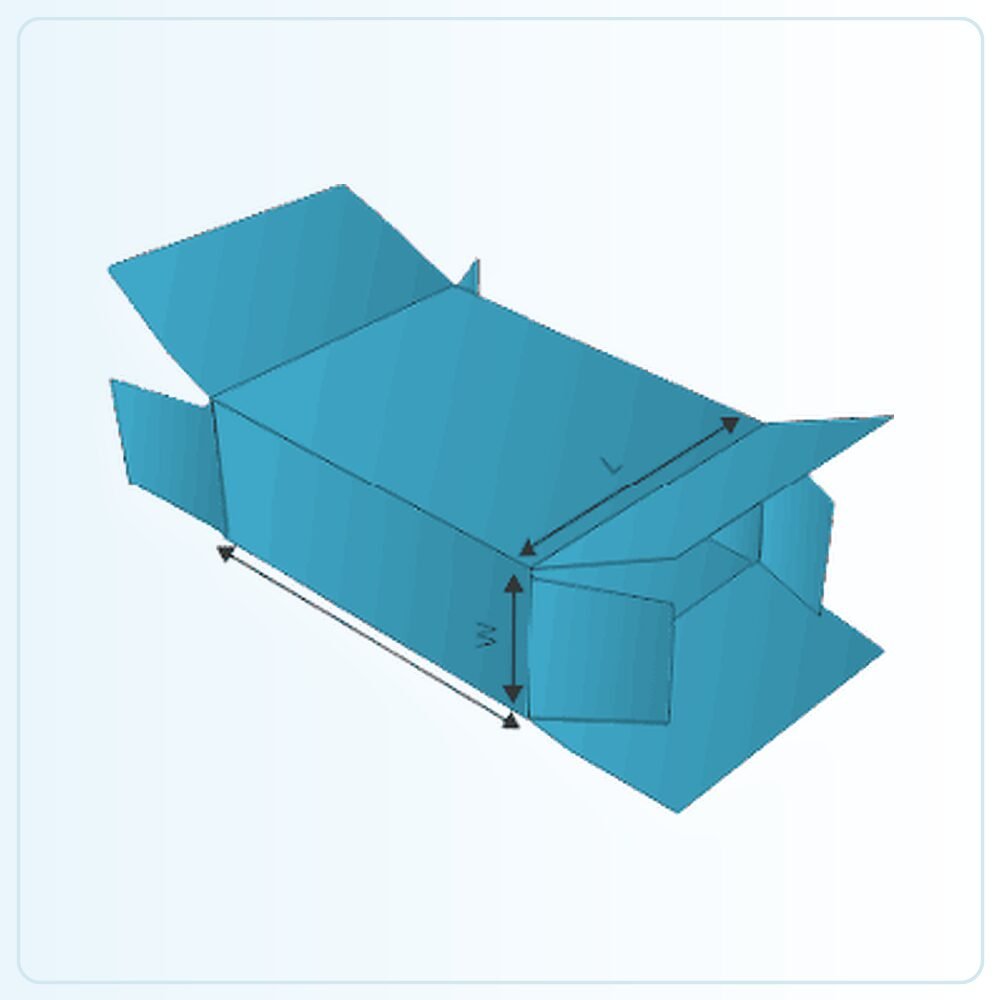
The locking cap closes the upper opening, while the 1-2-3 bottom forms the lower support through an ordered arrangement of flaps. Treat those as separate decisions. The top needs to suit access and presentation; the base needs to suit the product and the way it will be handled. A successful pack makes both operations clear to the person using it.
This structure can be considered for retail goods, accessories and gift items where a locking top is useful. It should not be described as suitable for every heavy product simply because the word lock appears in its name. Give us the filled weight, the product shape and any internal support, then compare the proposed carton with a real sample.
Check how the cap engages and releases
Look at the closing tab and its receiving area on the agreed drawing. The cap should engage without needing to force the product down or bend a projecting part out of the way. If the customer needs to reopen the box, test whether the release is easy to understand and comfortable to operate.
A tight-looking closure is not the same thing as tamper evidence. If you need visible evidence of opening, a security label or another specific feature, include that requirement in the brief. Do not leave the team to infer it from a request for a secure box. The proposed closing method can then be assessed against the actual purpose.
Assemble the bottom with the contents in mind
The base relies on its flaps being fitted in the intended sequence. Review the sample from underneath after assembly, not just through the top opening. Make sure the engaged parts sit where the drawing expects them to sit and that the carton remains square when placed on the bench.
Then add the product and any supporting component. An item with a small hard foot or a concentrated load can behave differently from a wide item spread across the base. Explain those contact points when requesting a quote. If a support pad is included in the tested sample, keep it in the final packing specification rather than treating it as an optional extra later.
Avoid a fit that interferes with the locking area
Internal dimensions should accommodate the full product, including handles, caps, wrapped edges or folded instructions. Pay particular attention to the upper space beneath the cap. A carton may have enough overall volume while still lacking clearance at the exact point where the closure needs to move.
For products supplied in several sizes, check representative examples rather than relying on one convenient sample. If you want a shared carton, discuss whether an insert can control the smaller item without obstructing access. A common outer size can simplify stock, but it should not create an awkward opening or allow the contents to shift into the cap.
Put the brand where the pack is actually viewed
Decide whether the box will stand upright, lie flat or sit inside a retail display. Give the main viewing face a clear brand and product name, then organise supporting information around it. Avoid placing essential wording on a locking tab that disappears inside the carton when closed.
Use a folded mock-up to check orientation. A cap panel can look like useful design space on a flat sheet but read differently when it bends over the opening. Keep different artwork versions clearly named, and check any label or barcode area on the assembled pack. These are small details that make the final result easier to use and easier to reorder accurately.
Compare the right alternatives for your business
If the cap operation is your priority, compare it with a simpler tuck top using the same contents. If base assembly is the main concern, discuss an auto-bottom construction. There is no reason to change both ends of the carton when only one part of the current packing method is causing difficulty.
Allow for the whole packing routine in the comparison: forming the base, inserting the product, closing the cap and placing the carton into its outer packaging. A design that saves one action but makes another difficult may not improve the job overall. Keep the final choice tied to a filled sample and a written specification rather than a promise based on the style name.
Turn the template into your own specification
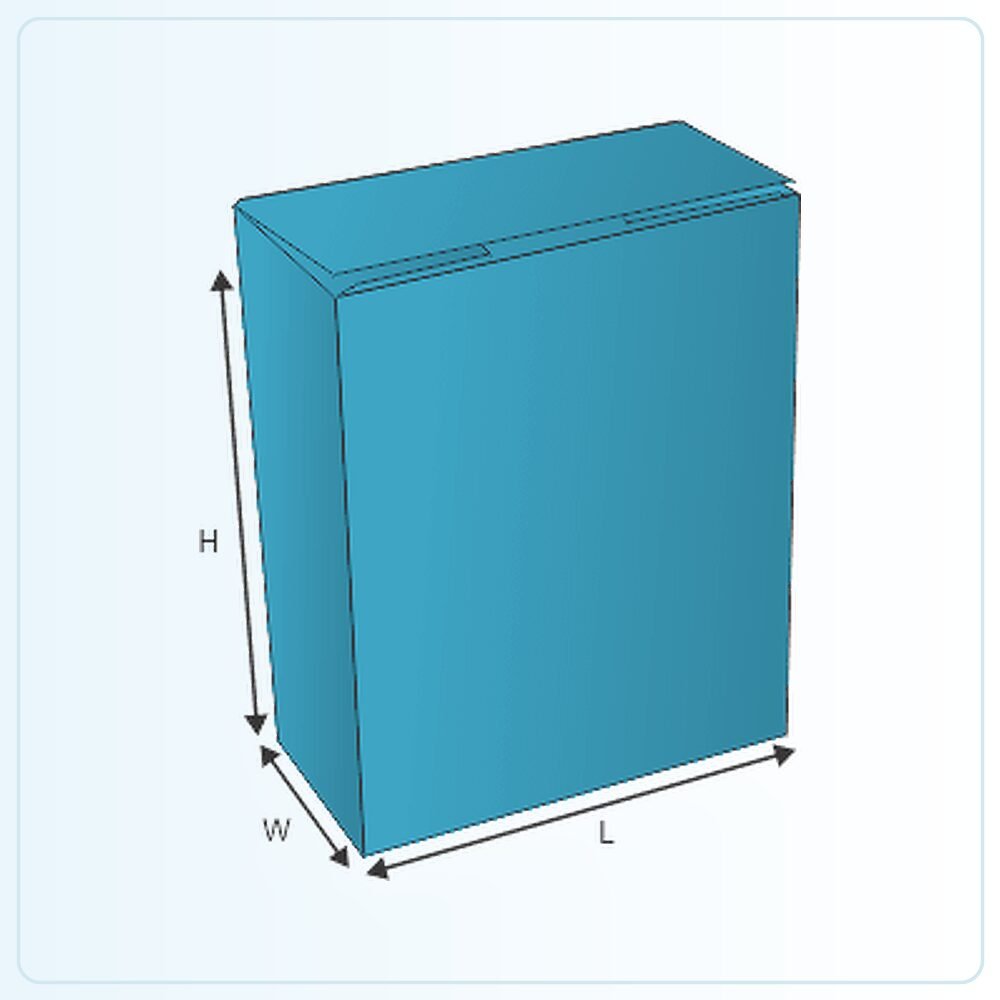
The illustration is a starting point for a made-to-order pack. It is not a production drawing that should simply be enlarged until your product appears to fit. Share the finished product measurements, packed weight and any inner components so the structure can be assessed at the size you actually need. Mark whether your measurements describe the product, the space inside the box or the outside of an existing pack.
Check the sample, not just the screen
A physical sample is available for £25 delivered. Agree what that sample will represent: the construction, material, printed appearance or a particular combination. A plain structural sample answers different questions from a finished printed example. Fill it with the actual product and include every insert, leaflet, wrapper or accessory that belongs in the final pack.
Ask the person who normally packs your orders to try it. Check the sequence of assembly, how comfortably the item goes in and how the customer removes it. Write down the changes you need before approving the next stage. If the pack will travel through a delivery network, assess the complete parcel rather than judging protection from an empty retail carton.
Get a clear price for the complete job
Orders start from 100 units. Our quoted prices include VAT and doorstep delivery. Usual production and delivery is 6–9 days; confirm the actual schedule for your agreed specification and target date. Tell us your delivery postcode, artwork status and any deadline when requesting a quote.
The useful comparison is the same structure, size, board, printing, finish and quantity. Ask for alternatives if you need to work towards a budget, and have any setup or additional components identified in the written quotation. Send your brief and we can help you settle the practical details before committing to the run.
Compare 1-2-3 bottom tuck top cartons, seal end auto bottom cartons, or request a packaging quote for this style.