Printed kraft soap boxes where the board is part of the artwork
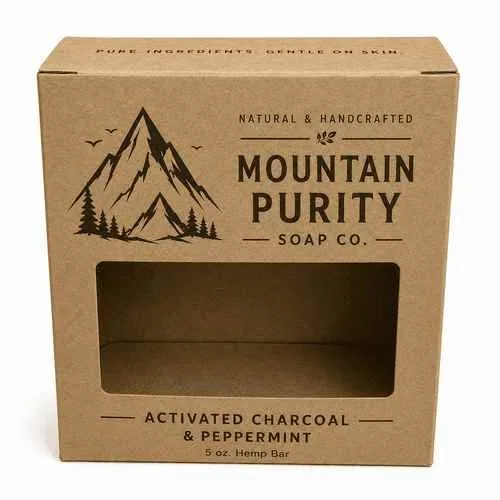
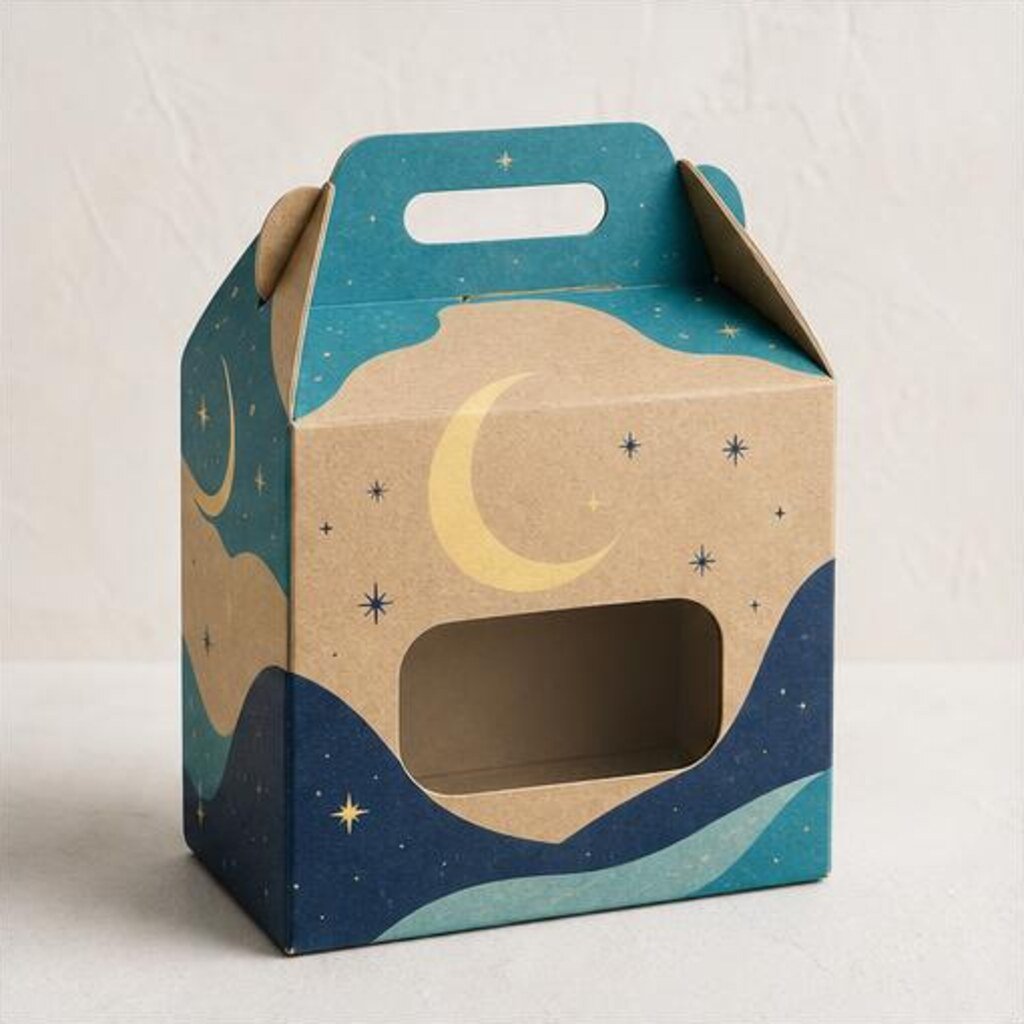
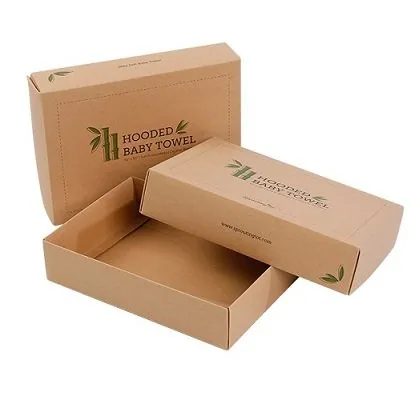
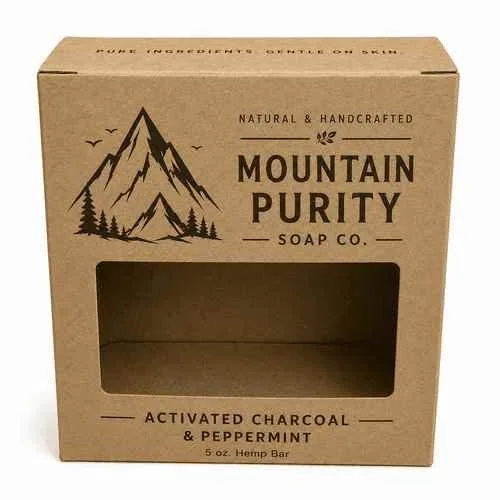
With printed kraft soap packaging, the brown background is a visible part of your design. It can give a simple logo or illustration plenty of character, but it also changes how colours and fine details appear. Planning for that surface early gives you a more useful brief than applying a design intended for a white carton unchanged.
We can discuss a restrained single-colour treatment or a more detailed print specification around your brand. Start with the artwork you have, the effect you want and the quantity required. We will confirm the suitable production options for the box and board.
Start with contrast and readable type
Look at the smallest text as well as the logo. A delicate line or a low-contrast fragrance name may appear attractive at screen size but become less clear on the finished pack. Give important wording enough space and keep it away from cut edges and folds.
Colours can shift with the substrate; Packhelp's print-preparation guidance also highlights the effect of kraft on colour appearance. For your order, ask us to assess the actual artwork and specified board. A digital preview shows layout, while a relevant physical sample helps you judge the material.
If white lettering, pale colour or a particular brand shade is essential, flag it at the start. Ask whether the required ink or print treatment is available for the proposed construction and run. Do not assume an unprinted area on brown kraft will appear white.
Give each panel a useful role
The front can introduce the brand and fragrance; the side or back can carry the supporting product text. Leave the closure areas and folds clear enough to work as intended. Once the dieline is agreed, check which panels will be visible when the filled box stands on a shelf.
For barcoded retail products, plan the code position before filling every available space with graphics. Keep it clear of folds and joins, with the necessary blank area around it. GS1 UK's quiet-zone guidance explains why that space matters; check the final printed code rather than relying only on an artwork preview.
Make fragrance variants easy to manage
Decide which elements stay the same and which identify the individual soap. A consistent logo and type layout can hold the range together, while a fragrance name, graphic or contrasting panel separates the variants. Consider how clearly the packer can identify them in a stack.
Supply a quantity and approved artwork file for each version. Mark revisions clearly, particularly when only a small piece of product wording changes. We can discuss multiple designs, but the minimum quantities and cost for each proposed split need confirmation.
Add finishing only where it earns its place
A foil mark, embossed detail or other finish can be considered for the appropriate board and construction. Ask what the extra process adds to the visual result and to the quotation. You may find a well-spaced printed design gives the brand enough presence without further decoration.
The selected coating or finish also becomes part of the packaging specification. Keep any recycling or material claims tied to that complete pack, rather than to the word kraft alone. If a particular end-of-life claim matters to your brand, raise it before approving the finish.
Check the bar fit alongside the print
Printed packaging still needs to fit and close comfortably. Send measurements from finished bars, including their intended wrapper, and note variation between batches. A design that works on a flat sheet can land differently once the box is folded around the product.
For the material and construction choices behind the artwork, compare our kraft soap packaging boxes. If colour precision on a lighter surface is the priority, discuss paperboard soap cartons as an alternative.
Request a print-specific quotation
Send your artwork and packaging brief with the bar size, quantity per design, print coverage and any desired finish. Orders start from 100 boxes; the team confirms multi-version requirements. Prices include VAT and doorstep delivery. Usual production and delivery is 6–9 days, with the schedule agreed for your order. A physical sample is available for £25 delivered, with sample details confirmed first.