Give your presentation a practical carrying format
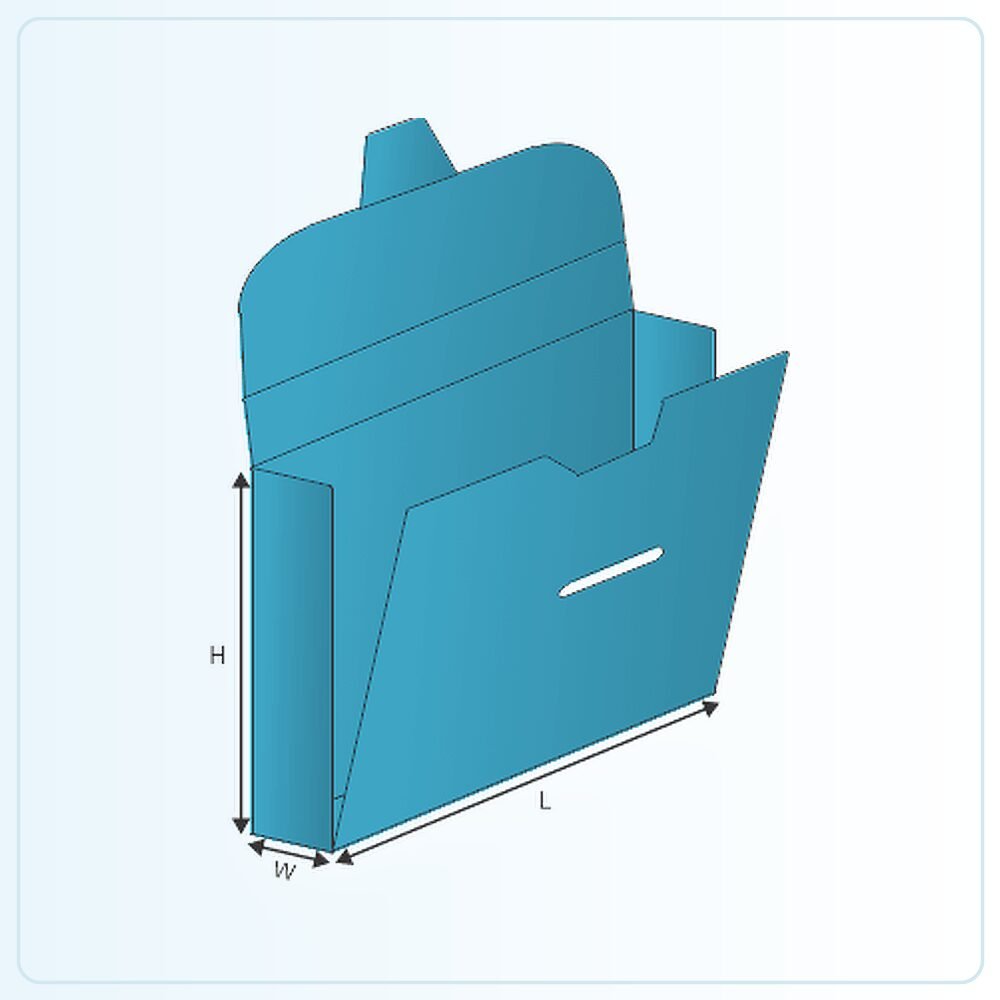
A paper briefcase is a presentation packaging format with a case-like body and carrying feature. It can be worth considering for a collection of samples, an information pack or a lightweight promotional kit. The name describes the presentation style; it does not mean the pack has the strength or fittings of a reusable luggage case.
Think about the handover before choosing the dimensions. Will a representative carry it into a meeting, will guests collect it from a stand, or will the recipient find it inside a delivery parcel? Those situations place different demands on the handle, closure and internal arrangement. Explain the journey so the sample can be checked against a real use.
Measure the complete kit rather than the largest item
Lay out everything that needs to go inside: documents, sample pieces, brochures and accessories. Note the largest dimensions and the combined weight, then consider whether the pieces will sit together or in separate locations. A pack that fits the largest brochure may still be too shallow once the remaining contents are added.
If documents need to stay flat, say so in the brief. Do not assume that a product called a briefcase automatically accepts A4 sheets, a ring binder or any other standard format. Agree the usable internal dimensions and test with the actual materials, including any protective sleeves. Allow for the space taken up by closures and internal supports.
Check the handle and closure as a complete system
The handle needs to suit the weight and the way the case will be carried. Ask which handle arrangement is proposed and where its load is transferred into the board. A visually neat cut-out is not enough evidence of carrying performance. Fill the sample, lift it as intended and examine the surrounding material and closure.
Check whether the contents move towards one edge when the case is carried upright. That movement can change how the pack hangs and how pressure reaches the opening. A retaining insert or revised arrangement may help, but it should be specified and priced as part of the job. Avoid adding a handle to an existing box design without reviewing the structure.
Make the opening useful during a conversation
A presentation case often becomes part of a sales meeting. Decide how it should sit on a table and which item the recipient should see first. A simple, organised opening can make the contents easier to explain. A crowded interior may look generous while making it difficult to find the item that matters.
Consider whether the customer needs to repack the contents afterwards. Brochures should not need to be bent around a closure, and samples should be removable without pulling at delicate parts. If the kit includes several loose pieces, check whether an agreed divider or support keeps them identifiable. Keep the arrangement consistent with the order in which the presentation will be used.
Design the print for carrying and presenting
Identify the main face, back, handle area and opening panel on the agreed dieline. The brand should read correctly when the case is carried and when it is placed on a desk. Artwork that looks balanced on the flat drawing may appear upside down or partly covered once the case is assembled and held.
Give the front a clear purpose rather than filling every available space. A product range name, short introduction and useful contact information may work better than a dense catalogue squeezed onto the outside. Keep important details away from cuts and folds, and review any code at its printed size. Confirm the orientation with a folded proof before approving production.
Choose the specification around the handover
Material selection should consider the kit weight, the size of the case and the expected handling. A thicker-looking board is not automatically the right answer if it interferes with the fold or closure. Ask for the proposed construction and material to be assessed together, then compare alternatives using the same filled contents.
For posted kits, plan the outer shipping packaging separately. The presentation case may need protection from abrasion, compression and movement during delivery. At reorder time, confirm whether brochures, samples or quantities have changed. A new campaign can alter both the fit and weight, even when the outside artwork is intended to remain almost identical.
Turn the template into your own specification
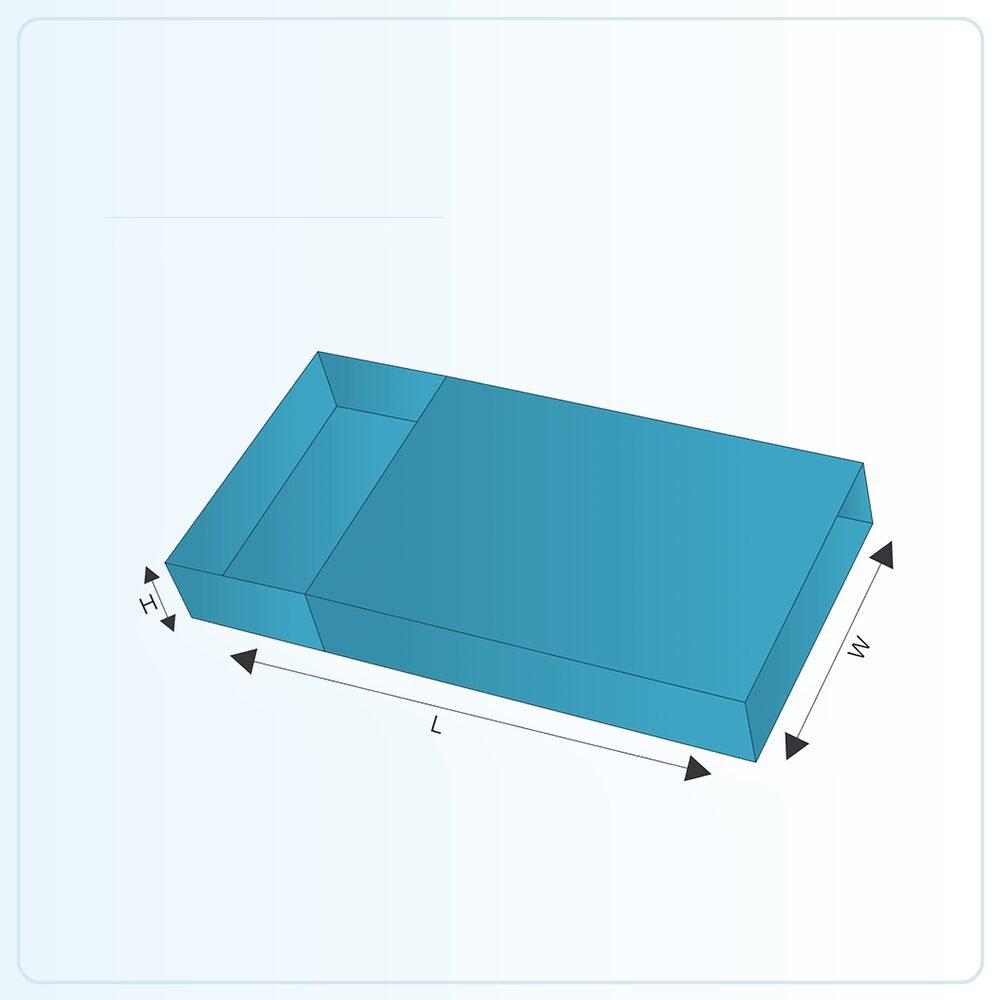
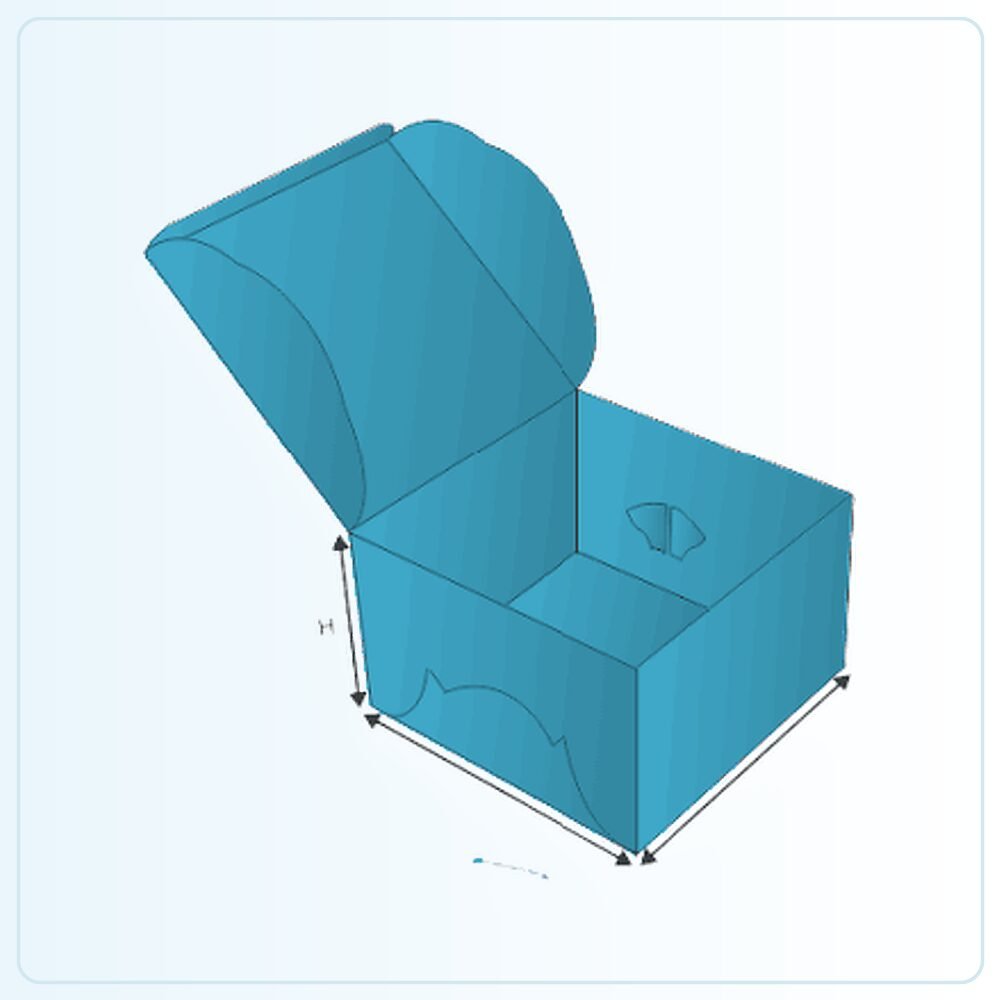
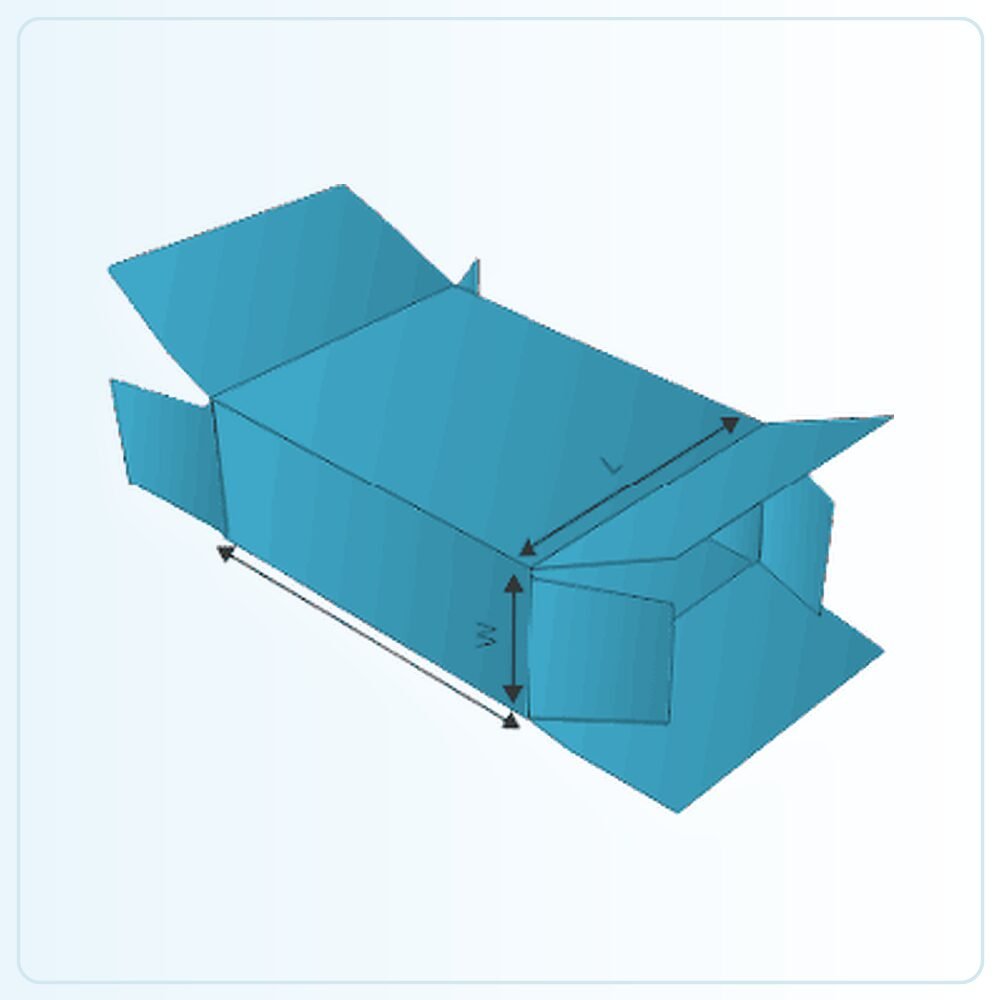
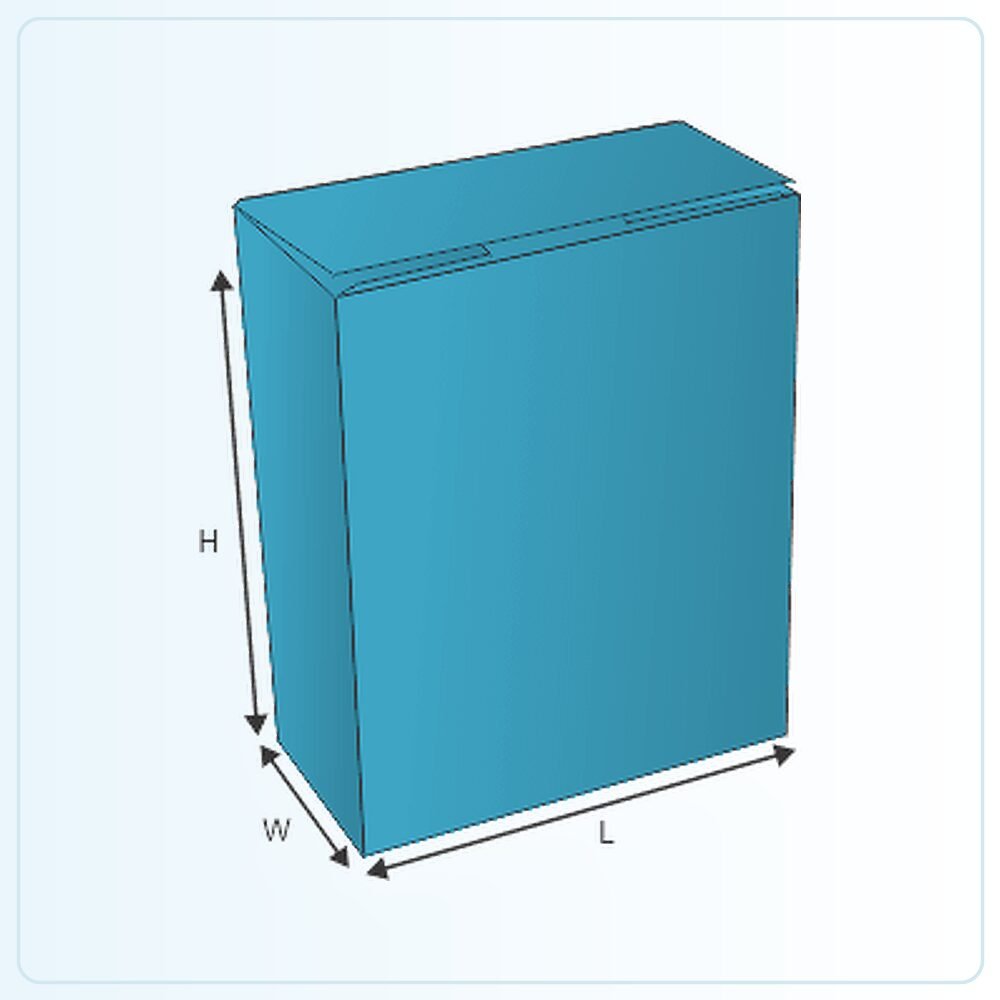
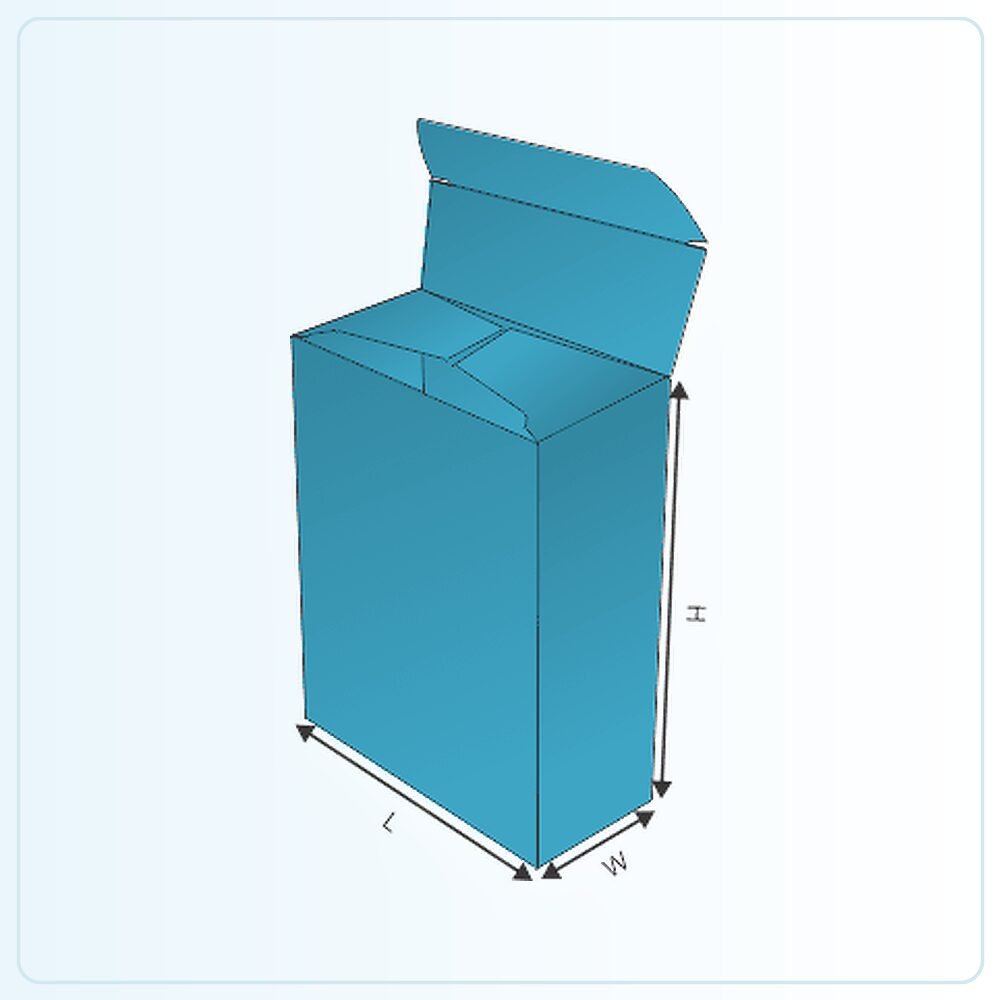
The illustration is a starting point for a made-to-order pack. It is not a production drawing that should simply be enlarged until your product appears to fit. Share the finished product measurements, packed weight and any inner components so the structure can be assessed at the size you actually need. Mark whether your measurements describe the product, the space inside the box or the outside of an existing pack.
Check the sample, not just the screen
A physical sample is available for £25 delivered. Agree what that sample will represent: the construction, material, printed appearance or a particular combination. A plain structural sample answers different questions from a finished printed example. Fill it with the actual product and include every insert, leaflet, wrapper or accessory that belongs in the final pack.
Ask the person who normally packs your orders to try it. Check the sequence of assembly, how comfortably the item goes in and how the customer removes it. Write down the changes you need before approving the next stage. If the pack will travel through a delivery network, assess the complete parcel rather than judging protection from an empty retail carton.
Get a clear price for the complete job
Orders start from 100 units. Our quoted prices include VAT and doorstep delivery. Usual production and delivery is 6–9 days; confirm the actual schedule for your agreed specification and target date. Tell us your delivery postcode, artwork status and any deadline when requesting a quote.
The useful comparison is the same structure, size, board, printing, finish and quantity. Ask for alternatives if you need to work towards a budget, and have any setup or additional components identified in the written quotation. Send your brief and we can help you settle the practical details before committing to the run.
Compare mailer boxes with a handle, book-style presentation cartons, or request a packaging quote for this style.