
The core difference is construction
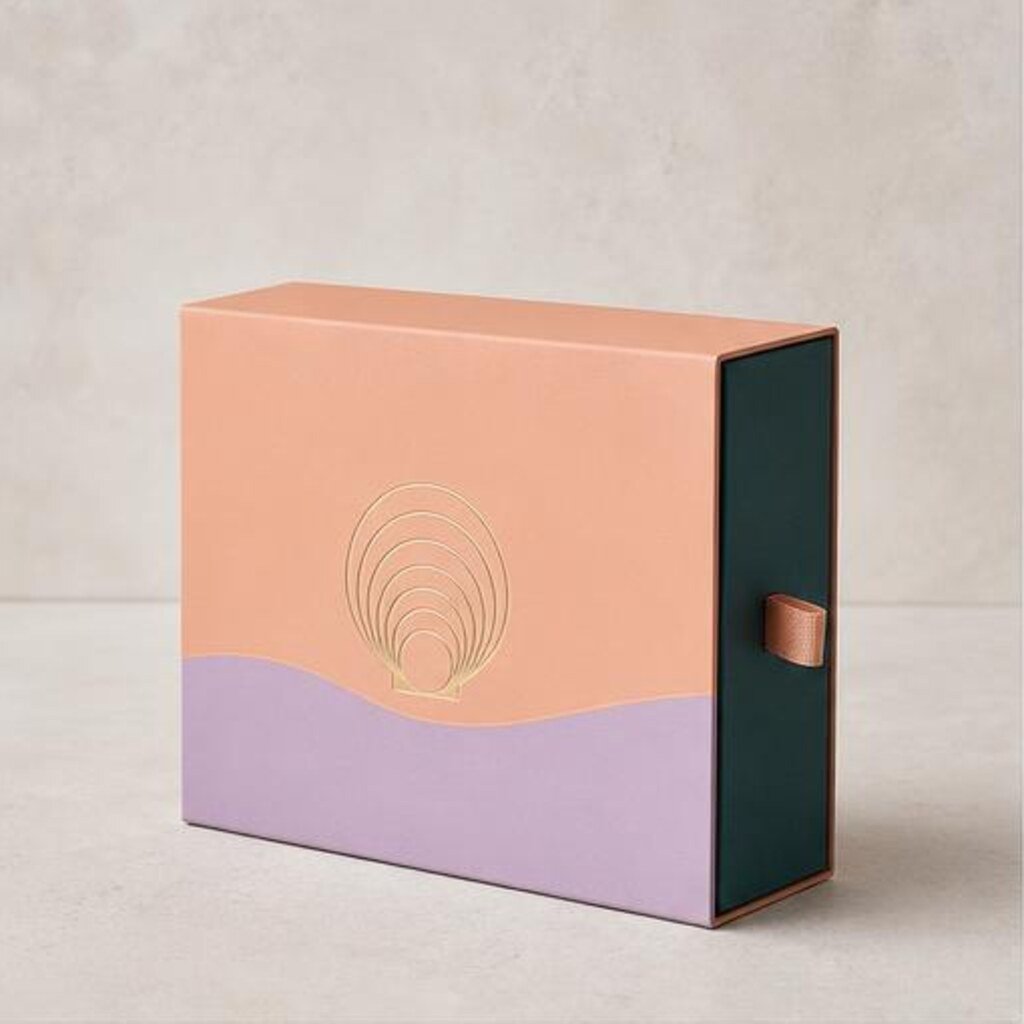
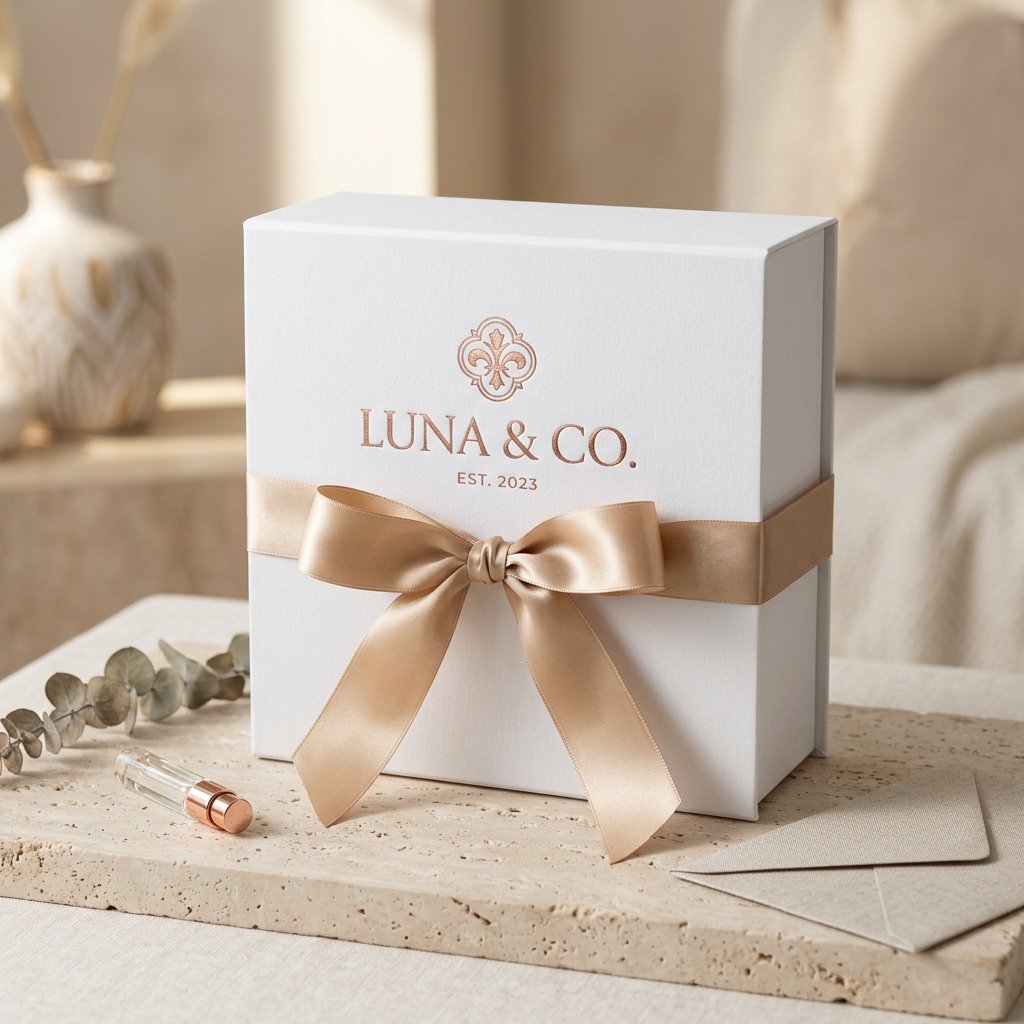
A folding carton is cut and creased from a single sheet of printed cardstock, shipped flat, and popped into shape when you pack. A rigid box (also called a set-up box) is built from thick greyboard, wrapped in a printed paper, and arrives already assembled — it does not fold flat.
That one difference drives almost everything else: weight, perceived value, storage space and how the box is priced.
When a rigid box is the right call
Choose rigid when the box itself is part of the product experience: perfume and fragrance, jewellery, premium candles, watches, luxury gift sets and keepsake packaging. Rigid boxes hold their shape under weight, take inserts (foam, card dividers, platforms) cleanly, and suit finishes such as foil stamping, embossing, magnetic closures, ribbon pulls and drawer (slide-out) formats.
The trade-offs are worth weighing up: rigid boxes usually cost more per unit than cartons at the same size, they take up more storage space because they cannot be shipped flat, and they add postage weight.
When a folding carton wins
Choose a folding carton when you need volume, efficient storage or retail-shelf packaging: cosmetics sold in stores, food and bakery items, health products, subscription inserts and most e-commerce secondary packaging. Cartons print edge to edge in full colour, store flat in a fraction of the space, and help keep unit cost down as quantities rise.
A well-specified carton can still feel premium. Heavier board, soft-touch lamination, spot UV or a window cut-out can lift a carton well above "plain box" territory without rigid-box cost.
A quick decision checklist
- Is the box kept or displayed by the customer? Lean rigid.
- Is it opened once and recycled? Lean carton.
- Does the product need structured protection or an insert? Rigid handles weight better; cartons can add inserts too at lower cost.
- How much storage space do you have? Cartons ship and store flat; rigid boxes do not.
- Still torn? Many brands use a rigid box for the hero product and cartons for the rest of the range. Our cosmetic and fragrance packaging guide shows how that split works in practice.