The five details that set a custom box price
Custom box pricing is built from the specification rather than a fixed shelf price. The biggest variables are internal size, quantity, board and construction, print coverage and any finish or insert. A compact folding carton with one-colour print is a different production job from a large rigid gift box with foam, foil and a magnetic closure, even when both are called a custom box.
Start by measuring the packed product, not the outside of an old box. Internal length, width and depth, together with the product weight and whether it needs transit protection, give a supplier enough information to recommend a practical board and format.
Quantity changes the unit price — but not always the best order
Higher quantities normally reduce the unit price because artwork setup, tooling and production preparation are spread across more boxes. That does not automatically make the largest run the best value. A smaller first run can be sensible when a product is new, the artwork is not final or the box size may change after real customer feedback.
Compare the total order cost, storage space and how quickly you will use the stock as well as the unit price. A box that looks cheaper per piece can cost more overall if it leaves you with packaging that no longer fits the product or the next design refresh.
Where materials and construction make a difference
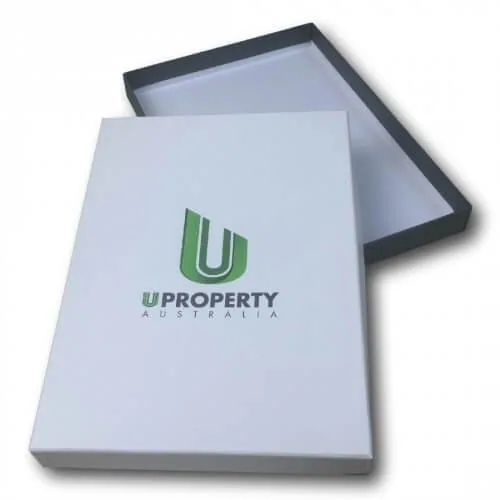
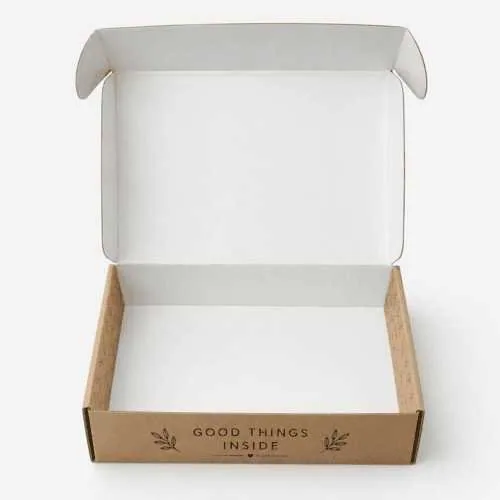
Folding cartons generally suit lightweight retail products and store flat, while corrugated mailers add transit protection. Rigid boxes are built for a more substantial unboxing experience and can hold fitted inserts, but they use more material and take more storage space. Board thickness, box dimensions and the product weight should be decided together; choosing the lowest-cost board without considering the journey can lead to damage or a poor shelf presentation.
Windows, unusual die-cuts, dividers, card platforms and foam inserts add work, but they can be worth it when they keep a glass bottle, palette or gift set secure. Ask for the option only when it solves a real packing or display problem.
Printing and finishes: spend where customers will notice
Full-colour printing, lamination, foil, embossing and spot UV can all change the quote. Choose one or two finishes that support the product position instead of adding every available effect. A small cosmetics carton may benefit more from clean colour matching and legible ingredient space than from several premium finishes; a presentation box may justify foil or soft-touch lamination because the unboxing is part of the purchase.
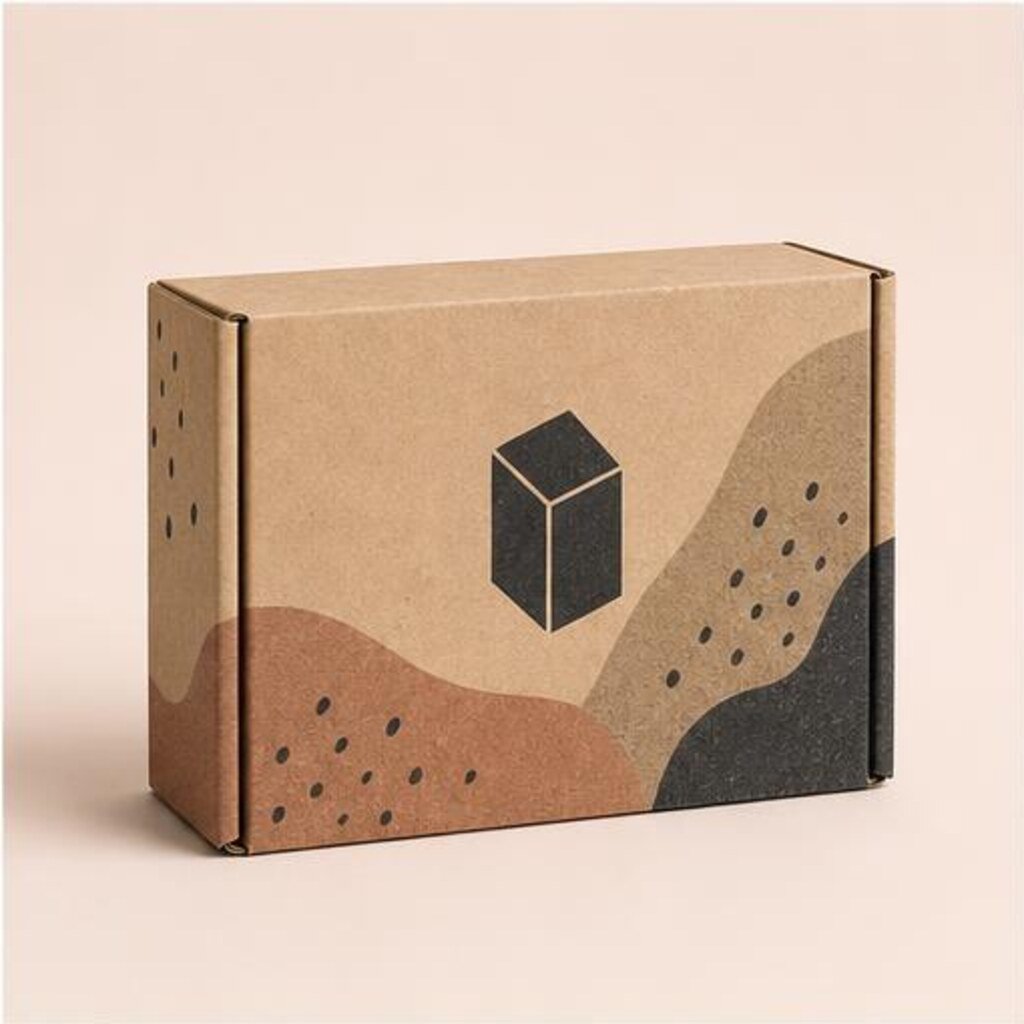
If you want a natural kraft look with bright colours, raise that before artwork starts. Colour behaves differently on brown board, and a white underlay or a white-board alternative may be needed for the result you expect. Our kraft versus white cardboard guide explains the trade-off.
A quote brief that gets you a useful answer first time
- Product: what it is, its dimensions and approximate weight.
- Box format: carton, mailer, rigid box, sleeve, tray or not sure.
- Quantity: the first run and, if relevant, likely reorder volume.
- Artwork: print-ready artwork, a logo, or a request for design support.
- Finish and protection: any window, insert, lamination, foil or food-contact requirement.
- Timing: whether there is a launch date or sample deadline.
If you do not know the format yet, that is fine. Tell us what you are packing and how it will be sold or shipped; we can recommend a sensible route before quoting. When you are ready, request a custom quote with those details.