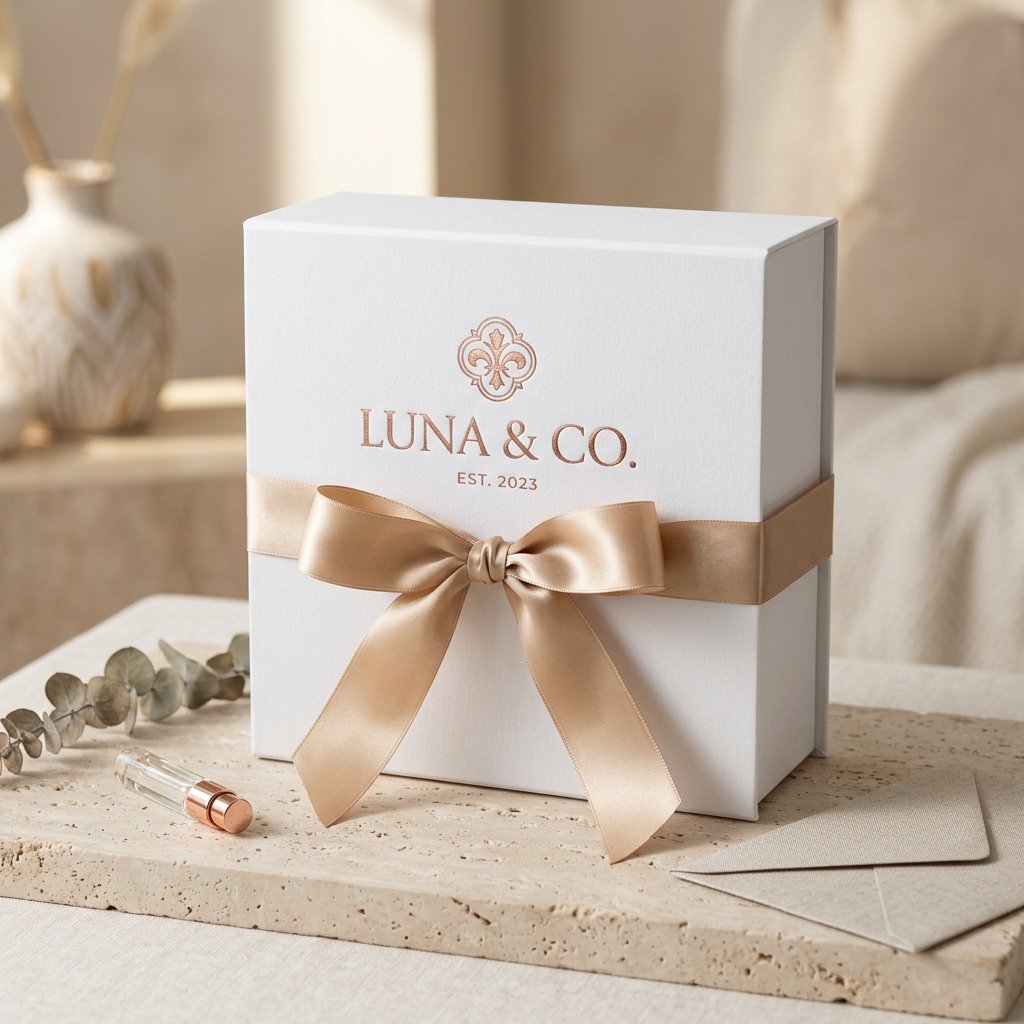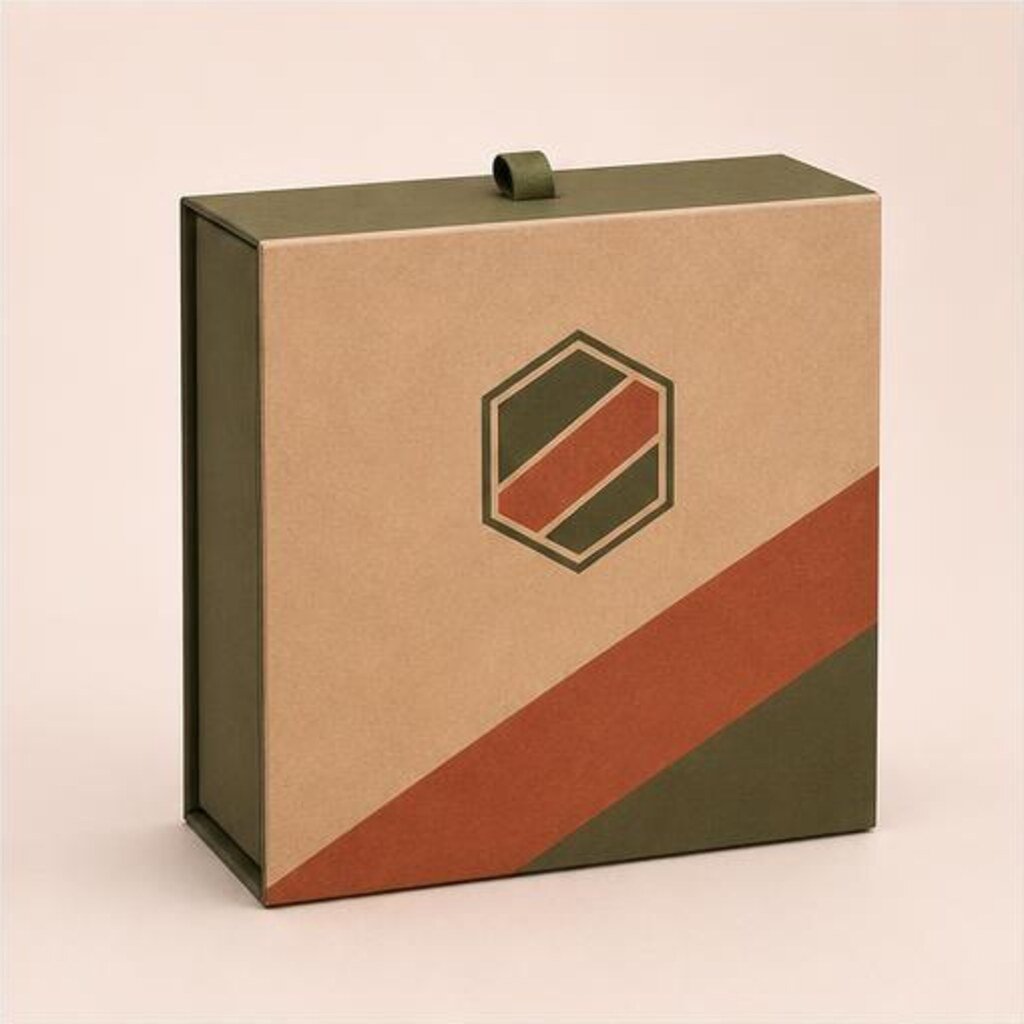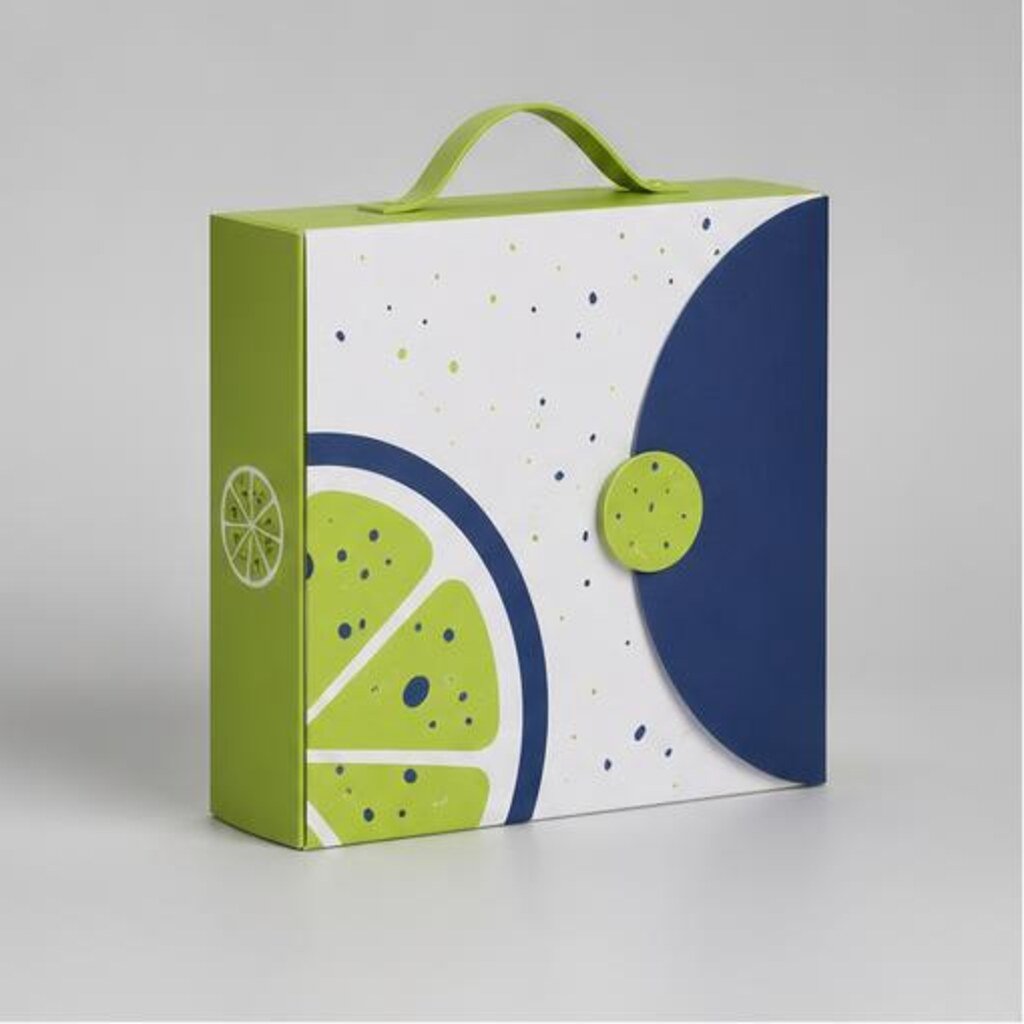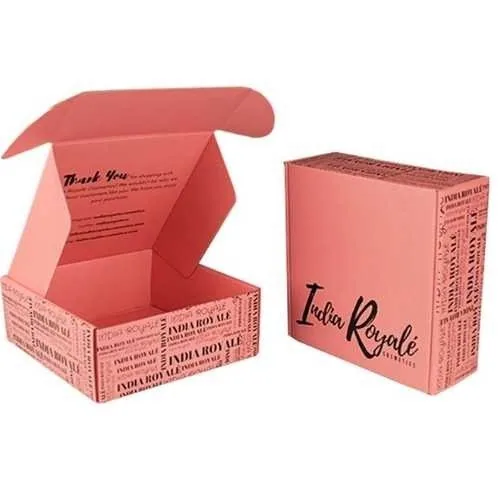
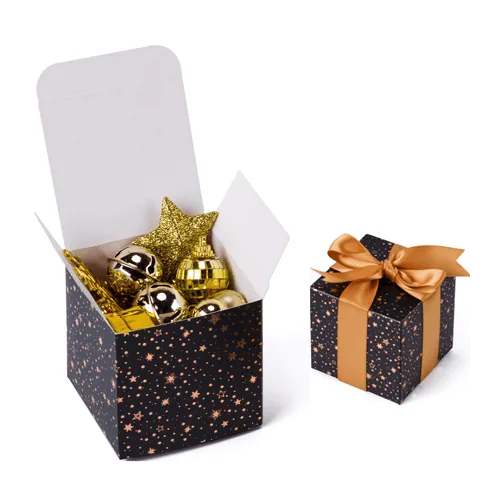
A square box works when a product has a roughly even footprint and you want it to sit squarely on a shelf or in a hamper. The symmetry makes stacking predictable and gives every face equal weight for artwork, which is useful when a box may be seen from more than one side on display. Because the depth usually differs from the width and height, a square footprint does not always mean a cube, so decide early whether you want a true cube or a shallower square profile.
Choosing the right closure
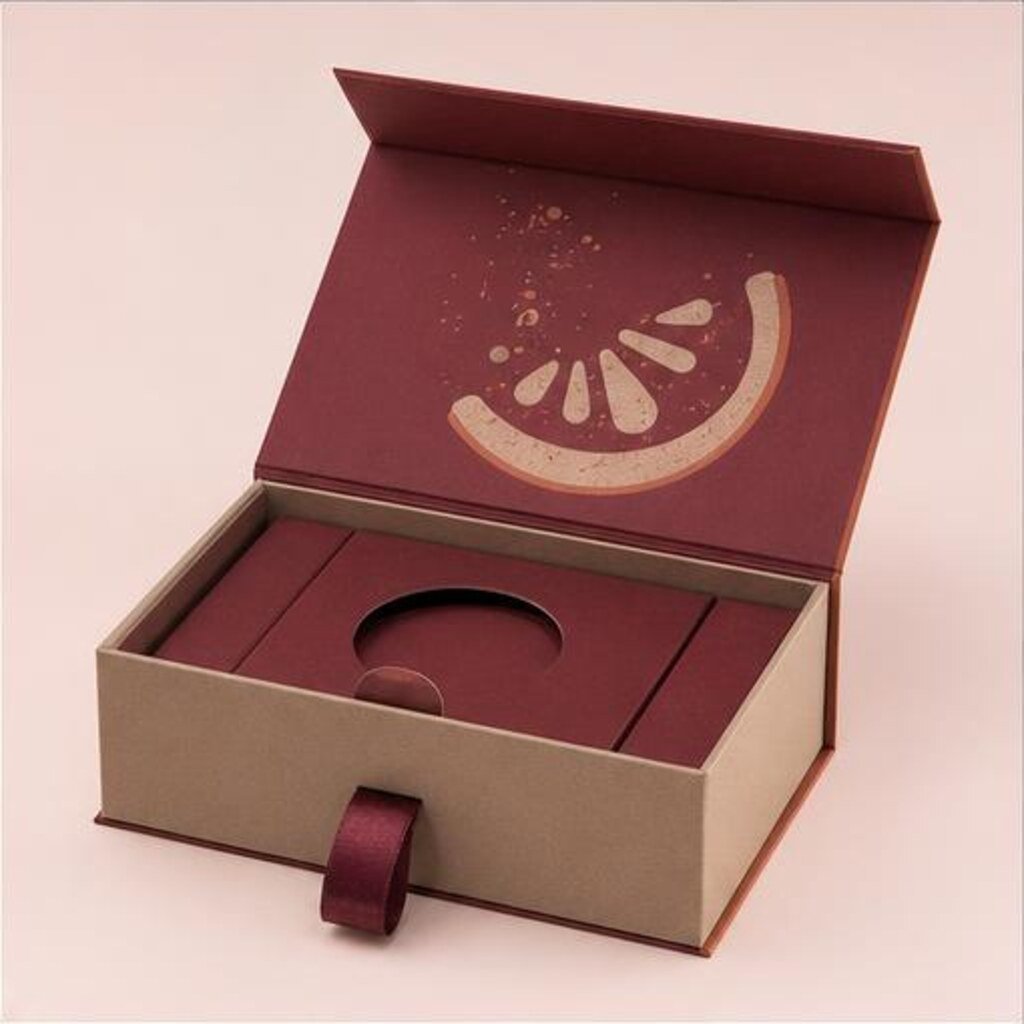
Square formats are offered with several closures, from tuck ends for quick hand-packing to a lidded two-piece for a more considered unboxing. The closure you pick affects both the pack rate and how protected the contents feel, so weigh how the box is filled against how the customer will open it.
Getting the artwork balanced
- Custom sizing so the internal dimensions match your product
- Even faces that let a pattern or logo wrap cleanly
- Print coverage from a single spot mark to full outer artwork
Because all four sides share the same width, a repeating design reads consistently around the box. Order a sample if you are checking how a print sits across the seams before scaling the run. Consider too how the box will be filled: a lidded format slows hand-packing slightly but rewards the customer with a clearer reveal.